

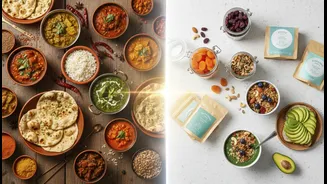
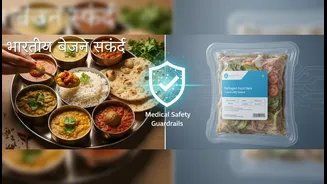
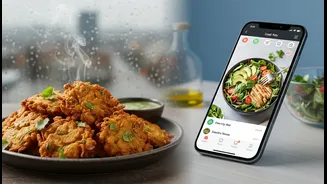


The Modern Time Famine
In bustling Indian cities, long work hours, demanding commutes, and the pressure of an 'always-on' culture leave little room for personal time. For many working individuals and couples, the kitchen, once the heart of the home, is becoming a space they
rarely use. The desire for 'ghar ka khana' remains strong, but the reality of grocery shopping, planning, chopping, and cleaning feels overwhelming after a long day. This time scarcity often leads to a reliance on restaurant takeaways or instant noodles, which, while convenient, are not always designed for daily consumption and can be heavy on oil and masala. This creates a conflict: the craving for healthy food versus the convenience of unhealthy options.
A Convenient and Healthy Alternative
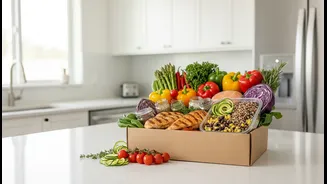
Healthy meal subscription services have emerged as a powerful solution to this modern dilemma. These services deliver pre-planned, often fully-cooked or pre-prepped meals, directly to your doorstep on a regular basis. The concept is simple: you choose a plan based on your dietary needs and schedule, and the service takes care of the rest. This model eliminates the daily decision fatigue of what to cook and the time spent on meal prep and grocery runs, freeing up valuable time and mental energy.
The Benefits Beyond Convenience
While saving time is the most obvious advantage, the benefits of a good meal subscription go much deeper. Many services offer meals curated by nutritionists, ensuring a balanced intake of essential macro and micronutrients. For those looking to manage their weight or stick to a specific diet like keto, vegan, or low-carb, these services provide perfectly portioned and calorie-counted meals, making it easier to achieve health goals. Furthermore, they introduce variety into your diet, allowing you to explore new cuisines and ingredients without the commitment of buying specialty products. This can help break the monotony of eating the same few dishes on rotation.
Reducing Waste and Costs
Surprisingly, subscribing to a meal service can also be economical and environmentally friendly. Studies and users report that because ingredients are perfectly portioned for each meal, it significantly cuts down on food waste at home. No more finding wilted vegetables you forgot to use in the back of the fridge. While the upfront cost might seem higher than buying groceries, when you factor in the money saved from reduced food spoilage and fewer impulse takeaway orders, it can be a cost-effective choice in the long run.
How to Choose the Right Service in India
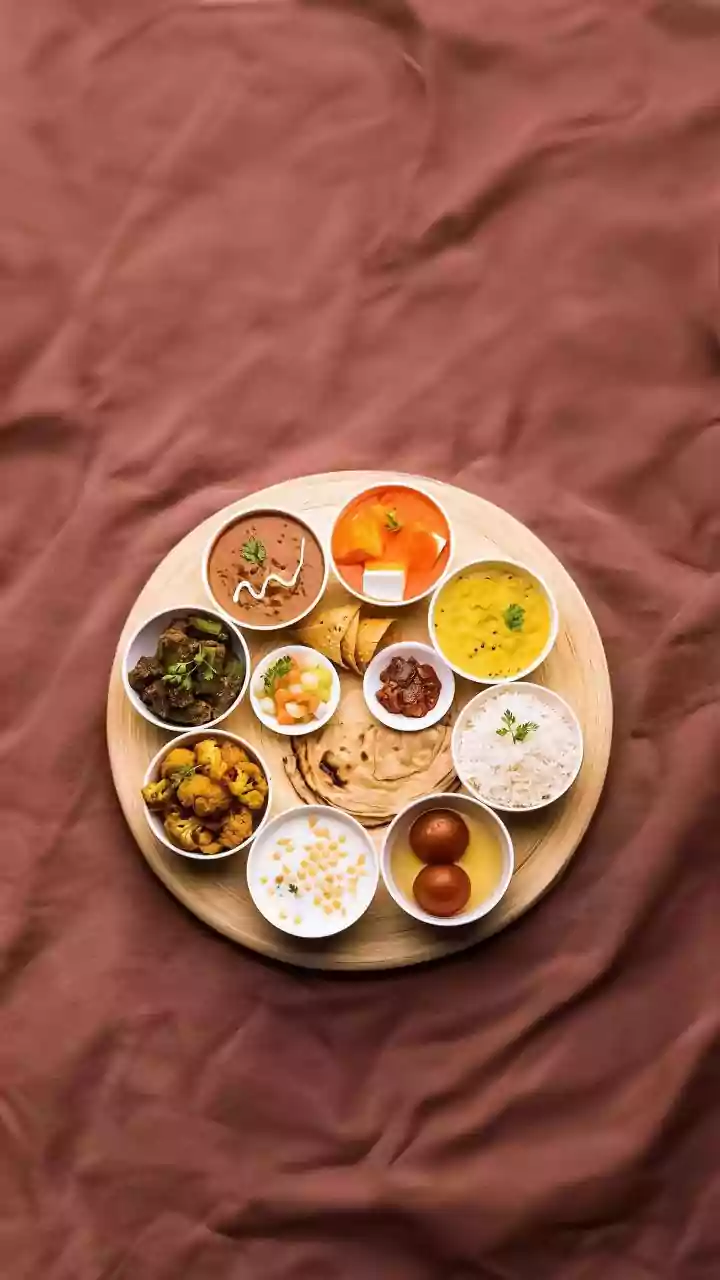
The meal subscription market in India is growing, offering a range of options from tiffin services delivering homely Indian meals to startups providing gourmet or diet-specific plans. When choosing a service, first consider your primary goal: is it convenience, weight loss, or simply eating healthier? Look for services that offer flexibility, allowing you to pause or skip deliveries. Check for customisation options that cater to your dietary preferences and restrictions. Reading customer reviews can provide insight into the quality, taste, and reliability of the service. It's also wise to inquire about ingredient sourcing and packaging, as many services now prioritize local produce and recyclable materials.
Important Considerations
Despite the many advantages, meal subscriptions aren't a perfect fit for everyone. The cost can be a significant factor compared to cooking from scratch. Some may find the portion sizes restrictive or miss the creative process of cooking. Another concern is packaging waste, though many companies are actively working to provide reusable or recyclable options. Finally, for those who cherish authentic, regional Indian flavours, some services with more Western-oriented menus might not fully satisfy their palate, making it important to find a provider that aligns with your taste.