



What Is This Ancient Dish?
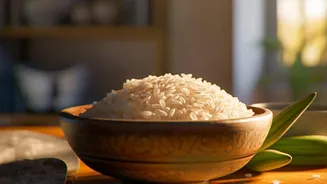
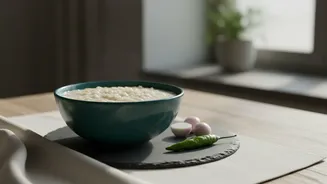
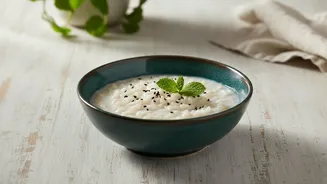
At its core, Pazhanthanji is staggeringly simple. It’s leftover cooked rice submerged in water and left to sit overnight at room temperature in a clay or glass pot. This humble practice, born from a desire to not waste food, has been a breakfast staple
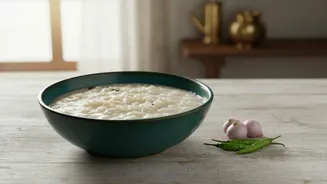
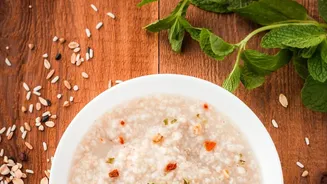
for generations in South Indian states like Kerala and Tamil Nadu. Traditionally, it was the go-to meal for farmers and laborers who needed sustained energy for a long day of physical work. The next morning, the mildly fermented rice and its water (the 'kanji') are mashed slightly and typically mixed with salt, buttermilk or yogurt, finely chopped shallots, and green chilies. This creates a comforting, savory, and cooling porridge that's both a meal and a hydration source.
The Fermentation Factor
The magic of Pazhanthanji lies in that overnight soak. While it sits, a natural fermentation process kicks off, transforming the simple rice into what proponents call a gut-health powerhouse. This process encourages the growth of beneficial lactic acid bacteria, similar to the probiotics found in yogurt, kefir, and kimchi. For the modern wellness enthusiast, this is the main draw. The Western diet has become increasingly fascinated with the gut microbiome's role in everything from digestion and immunity to mood. Foods rich in natural probiotics are seen as a way to nourish the trillions of microbes living in our digestive tracts. Pazhanthanji delivers these benefits in a simple, whole-food form that has been trusted for centuries.
A Surprising Nutritional Boost
Beyond probiotics, the fermentation is said to unlock a wealth of nutrients. According to multiple reports on the traditional food, the process makes minerals in the rice more bioavailable. For instance, some sources claim that the amount of iron in 100 grams of rice can skyrocket from around 3.4 mg to over 70 mg after a 12-hour fermentation. Similar increases are noted for essential minerals like calcium and potassium. Furthermore, the fermentation process creates B vitamins, including B6 and B12, which are crucial for energy. For fitness enthusiasts, this translates to better energy levels without the crash. The slow-release carbohydrates and resistant starch formed during fermentation provide steady fuel, making it an intriguing option for a pre-workout meal or a recovery breakfast.
From Humble Staple to Wellness Trend
While you may not find Pazhanthanji at your local smoothie bar just yet, its profile is rising in online wellness communities and among those exploring ancestral diets. It hits all the right notes for today’s health-conscious consumer: it’s natural, gluten-free, rooted in ancient wisdom, and champions gut health. It represents a return to simple, functional foods that our ancestors relied on. As interest in fermented foods continues to grow beyond kombucha and sourdough, traditional preparations like Pazhanthanji are being rediscovered by a new generation. It’s a dish that connects the dots between resourcefulness, tradition, and modern nutritional science.
How to Try Pazhanthanji at Home
Making your own Pazhanthanji is incredibly easy. Start with one cup of leftover cooked rice (parboiled varieties like Matta rice are traditional, but any will do). Place it in a clean clay or glass bowl and add enough water to fully submerge it. Cover the bowl loosely with a cloth or lid and let it sit on your counter overnight, for about 8 to 12 hours. In the morning, the water will be slightly cloudy and have a tangy aroma. Using your clean hands or a spoon, mash the rice a bit into the water. Mix in a pinch of salt and about a quarter cup of plain yogurt or buttermilk. For the classic experience, add a handful of finely chopped shallots or red onion and a minced green chili for a little kick. It’s a refreshing, nourishing, and surprisingly complex-tasting meal for something so simple.