



Step into History at a Bonedi Bari
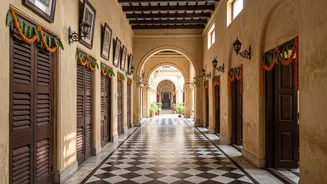
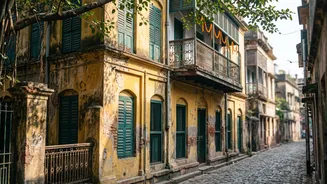
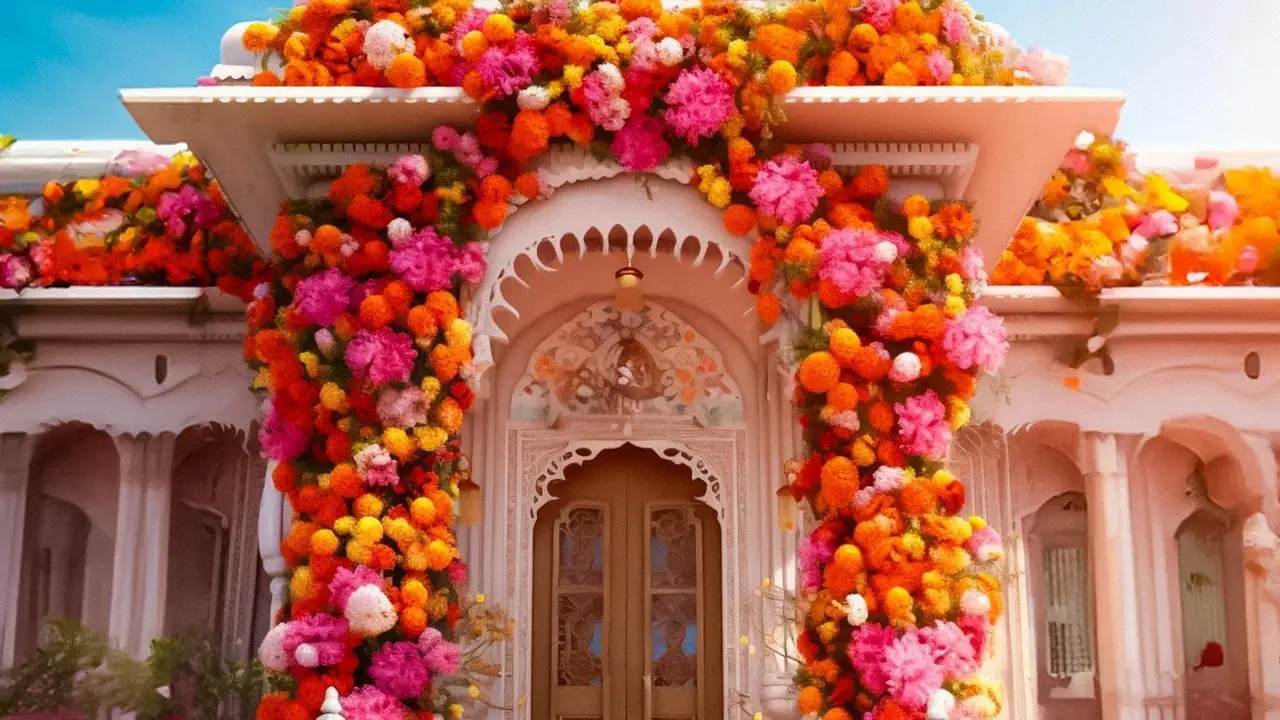
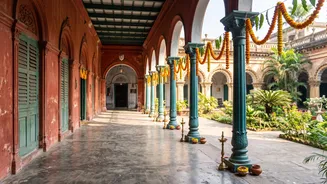
Experience Durga Puja in the grand, ancestral homes of Kolkata’s erstwhile aristocratic families. Known as Bonedi Baris, these heritage houses host pujas that are centuries old, steeped in unique family rituals. Unlike the theme-based community pandals,
these celebrations are intimate and traditional. A visit to places like Sovabazar Rajbari or the homes in Jorasanko allows you to witness customs preserved for generations. Many of these homes are open to visitors, offering a glimpse into a bygone era of devotion and architectural splendour. Several guided tours are available, which can help navigate the city and explain the history behind each family's puja.
Witness the Birth of the Goddess in Kumartuli
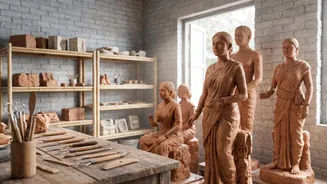
Weeks before the festival begins, the narrow lanes of Kumartuli, the potters' quarter in north Kolkata, are hives of artistic activity. This is where the magnificent idols of Goddess Durga are brought to life. A walk through these workshops offers a fascinating insight into the idol-making process, from the initial straw frames to the final, divine brushstroke that paints the eyes. Visiting Kumartuli provides a deep appreciation for the craftsmanship and devotion that form the foundation of the entire festival. The area is a photographer's paradise and a chance to connect with the artisans who are the silent stars of Durga Puja.
Savour the Authentic Flavours of Puja
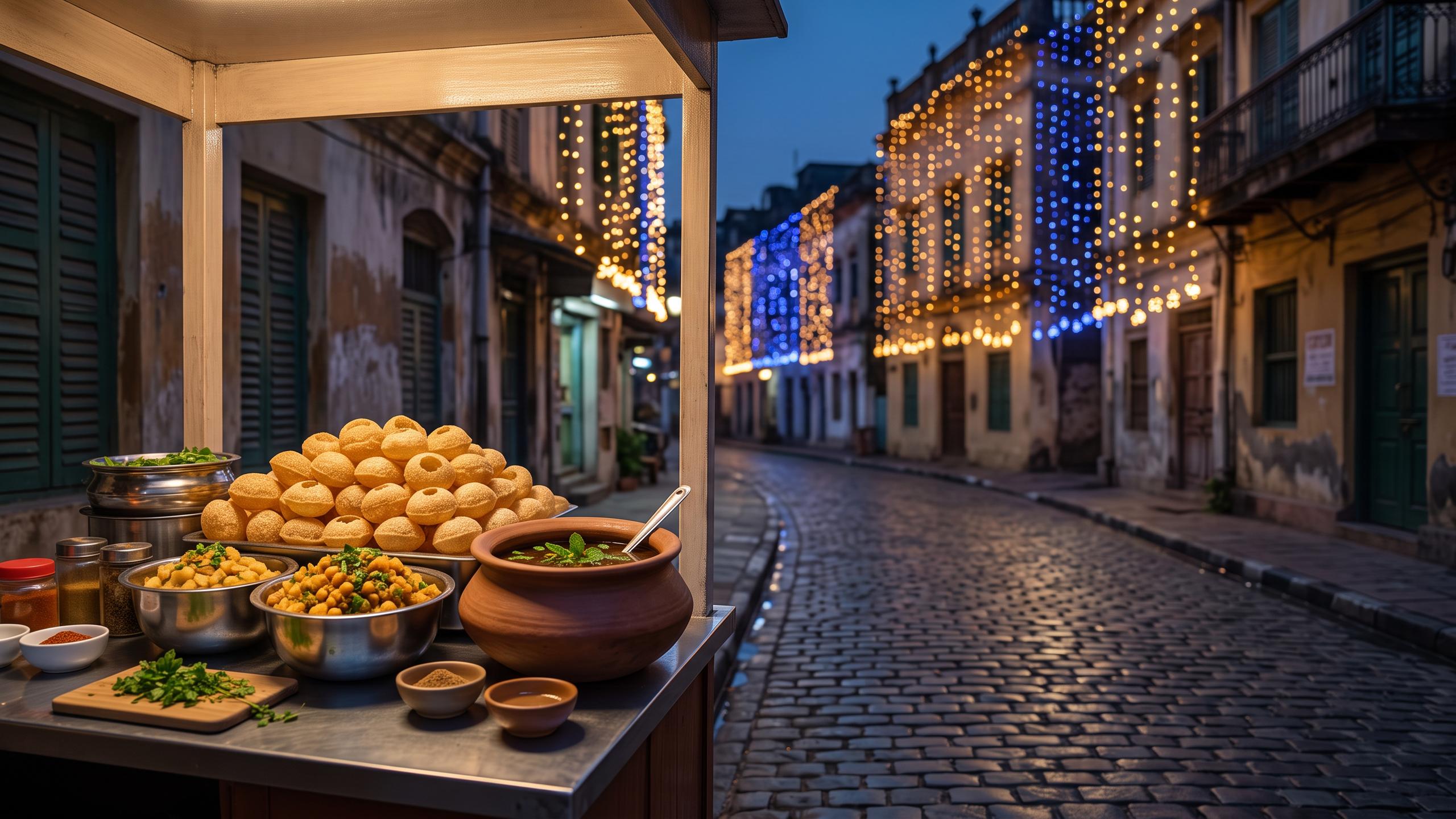
Food is an inseparable part of the Durga Puja experience. Look beyond the festival menus at popular restaurants and seek out the true taste of the celebration. Many community pujas offer 'bhog' – a simple, sanctified vegetarian meal, typically featuring khichuri, labra (a mixed vegetable dish), and chutney. This communal feast is a core part of the festivities. The streets also come alive with an endless variety of snacks. Indulge in everything from puchkas and kathi rolls to telebhaja (fritters). For a traditional sit-down meal, look for eateries serving classic Bengali dishes like luchi with cholar dal or the iconic kosha mangsho.
Immerse Yourself in Cultural Performances
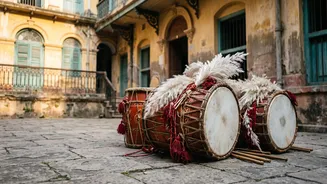
Durga Puja is as much a cultural festival as it is a religious one. Most neighbourhoods and large puja committees organise cultural programs in the evenings. These events are a vibrant showcase of Bengali arts, featuring everything from traditional folk music and dance to modern band performances and theatrical 'jatra' shows. The rhythmic beats of the 'dhak' (a traditional drum) are a constant, energetic soundtrack to the festival. Don't miss the 'dhunuchi naach,' a captivating ritual dance performed with earthen incense burners, which creates a truly mesmerizing atmosphere.
Experience the Emotion of Bidding Farewell
The festival culminates on Dashami, the tenth day, with the immersion of the idols (Visarjan). Before the idols are taken for immersion, married Bengali women participate in 'Sindoor Khela', or the 'vermillion game'. They smear sindoor on the goddess and then on each other, celebrating womanhood and praying for marital bliss. This colourful and emotional ritual is a sight to behold. Following this, processions carry the idols to the ghats of the Hooghly River for the final farewell, chanted with the promise of the goddess's return next year: 'Aashche bochhor aabar hobey!' (It will happen again next year). Witnessing the immersion from a boat on the river can be a particularly poignant experience.