




The Mindset Shift: From Tourist to Temporary Resident
The first step in this transition isn't practical; it's psychological. Moving from a traveler's mindset of 'how much can I see?' to a resident's 'how can I live sustainably?' is crucial. This involves slowing down and creating routines. Instead of chasing
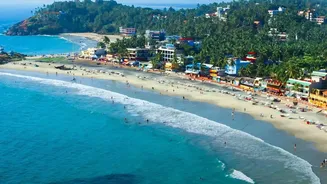
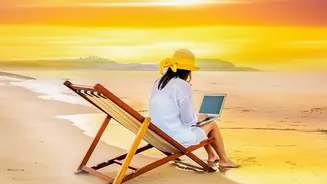
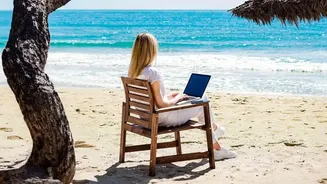
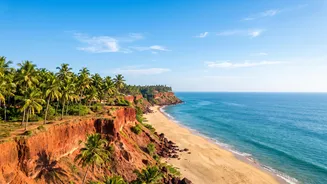
the next bus, you're finding the best local grocer. This change from a fast-paced travel itinerary to a stable daily life is the foundation of becoming a digital nomad. It's less about extending a holiday and more about building a new, temporary home base. Varkala's laid-back atmosphere is particularly conducive to this shift, encouraging a slower pace that allows for both work and wellness.
The Practicalities: Visas and Legalities
The most significant hurdle for any long-term stay is the visa. India does not currently offer a specific 'digital nomad visa'. Most aspiring nomads enter on a long-term e-Tourist visa, which can be valid for one to five years. However, it's crucial to understand the stay limitations; these visas typically allow a continuous stay of 90 to 180 days per visit, after which a border run or a period outside the country is necessary. It's important to note that working on a tourist visa is technically a grey area, as the visa officially prohibits employment. Always check the latest government regulations before making plans, as rules can change.
Finding Your Nook: Long-Term Accommodation
A backpacker's hostel won't cut it for long-term living. The transition involves moving from daily dorm rates to monthly rentals. In Varkala, this means exploring beyond the main North Cliff. Areas like the South Cliff, Odayam Beach, or the quieter lanes away from the main tourist drag offer guesthouses and apartments at more affordable monthly rates. A budget-conscious nomad might find a long-stay dorm for ₹10,000–₹15,000 per month, while a private AC room can range from ₹18,000 to ₹30,000. Building relationships with local guesthouse owners can often lead to better deals and a more integrated community experience.
Getting Connected: Internet and Workspaces
Reliable internet is the lifeblood of a digital nomad. Varkala’s infrastructure has evolved to meet this demand. While not boasting the blazing speeds of a major metropolis, connectivity is generally sufficient. Many cliff-top cafes offer Wi-Fi, with average speeds of 10-30 Mbps, which is enough for video calls and daily tasks. For a more stable connection, many nomads invest in a local SIM card from providers like Jio or Airtel for a 4G/5G data backup. A growing number of hostels and dedicated co-working spaces also offer reliable, high-speed internet, creating community hubs where nomads can work and connect.
Managing the Budget: From Daily Spends to Monthly Costs
This is where a budget traveler's skills truly shine, but they need adapting. Instead of tracking daily cash burn, you're creating a monthly budget. Varkala is exceptionally affordable. A single person's total monthly cost can range from around ₹35,000 to ₹55,000 ($400-$650 USD), depending on lifestyle choices. This affordability is a key reason why Varkala is an ideal place to make the transition. You can eat well on a budget by frequenting local 'bhojanalayas' for thali meals, which cost a fraction of the tourist-facing cafe prices, or by cooking for yourself with produce from local markets.
Building a Community: Finding Your Tribe
The transition from a solo traveler to a resident can be lonely, but Varkala’s intimate size makes it easy to build connections. The digital nomad community here is smaller and more close-knit than in larger hubs like Goa. Friendships are forged not just in co-working spaces but during morning yoga sessions, sunset gatherings on the cliff, or at informal meetups in cafes. This supportive environment is invaluable, providing a network for sharing advice on everything from visa runs to the best local surfboard rentals. It's this blend of solitude and community that makes the Varkala lifestyle so appealing and sustainable.