


The Expressway Effect
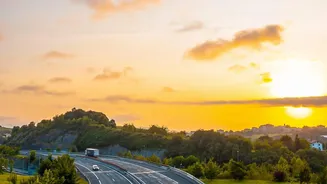
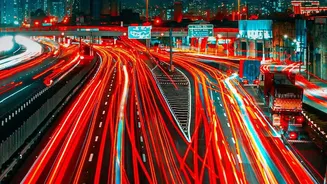
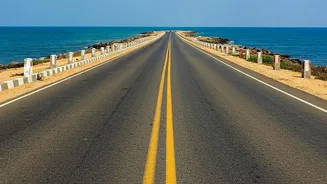
The single biggest catalyst for this boom is the rapid expansion of India's highway network. Ambitious projects like the Delhi-Mumbai Expressway and the Mumbai-Nagpur Samruddhi Mahamarg are dramatically reshaping the country's map, not just for logistics
but for leisure. These modern, access-controlled expressways are slashing travel times by as much as 50 percent. The journey from Delhi to Mumbai, once a grueling 24-hour drive, is now being cut down to just 12 hours. Similarly, the new Delhi-Dehradun expressway has reduced a 6-7 hour journey to a swift 2.5 hours, turning a weekend-long commitment into an easy day trip. This enhanced connectivity makes previously distant destinations much more accessible, encouraging spontaneous getaways and boosting tourism.
A Post-Pandemic Shift in Mindset
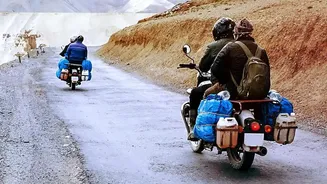
The pandemic fundamentally altered travel preferences. After periods of restriction, travelers emerged with a greater appreciation for flexibility, control, and safety. Road trips offer all three in abundance, allowing people to travel in their own bubble, set their own pace, and avoid crowded public transport. This desire for controlled, meaningful experiences has fueled a surge in domestic tourism, with Indians increasingly looking to explore their own country's rich diversity. The trend is moving away from simply reaching a destination to enjoying the journey itself, with travelers valuing the freedom to make unplanned stops and discover hidden gems along the way.
The Rise of the 'Road-Trip Ready' Vehicle
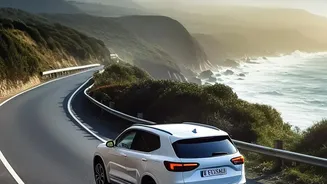
The boom in road travel is mirrored in the country's car sales charts. There has been a significant consumer preference shift towards Sports Utility Vehicles (SUVs). With their robust build, higher ground clearance, and ample space, SUVs are perceived as ideal for navigating India's varied terrains and for comfortable long-distance family travel. In recent years, the market share of SUVs has surged, with some forecasts predicting they will account for over 50% of car sales by 2030. This indicates that consumers are not just buying cars for commuting, but are making purchasing decisions with leisure and travel explicitly in mind, further entrenching road-tripping into the national psyche. The demand for larger 6-7 seater cars is also on the rise, reflecting a trend towards group and family travel.
Exploring the Unexplored
While classic routes like Mumbai-Pune and Delhi-Jaipur remain popular, improved infrastructure is opening up new frontiers. The real growth story is in the connections to Tier-2 and Tier-3 cities. Routes like Ahmedabad-Vadodara, Chennai-Puducherry, and Indore-Ujjain are seeing some of the fastest growth in travel volume. Better roads are making it easier for travelers to access lesser-known heritage sites, pilgrimage centers, and natural wonders that were previously difficult to reach. This is diversifying India's tourism landscape, moving beyond the traditional hotspots and encouraging a more distributed economic benefit to smaller towns and rural communities that can now cater to a new influx of road-weary but curious visitors.