
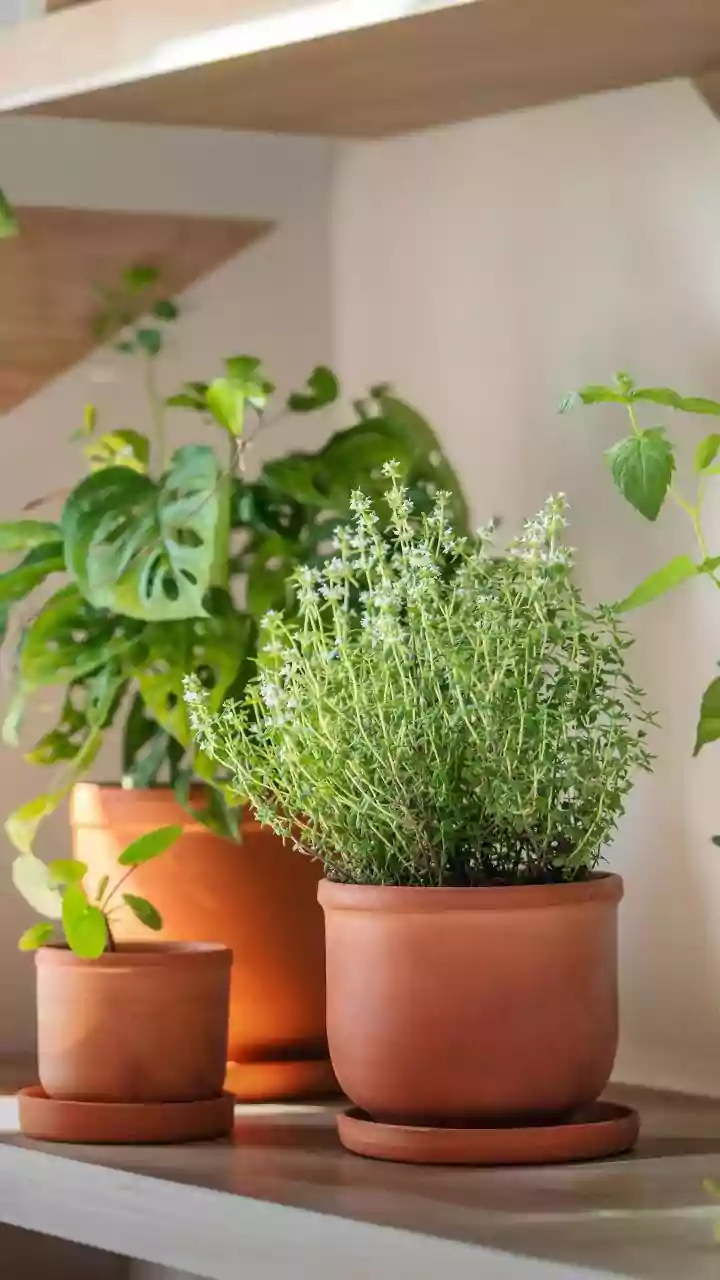


Growing fragrant, flavourful thyme at home is easier than you think. This versatile herb thrives on a bit of neglect, but its success hinges on one key decision: your choice of pot. Get the container right, and you're halfway to fresh harvests.
The Perfect Pot for Thyme
Thyme is
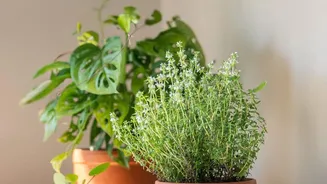
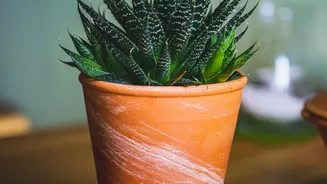
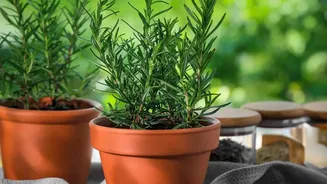
a Mediterranean herb that despises 'wet feet', meaning its roots will rot if left in soggy soil. This makes drainage the single most important factor for success. The headline is right—start with a pot that drains exceptionally well. Terracotta pots are an excellent choice because their porous nature helps wick moisture away from the soil, allowing it to dry out more evenly. While thyme has shallow roots and doesn't need a very deep pot, choose one that is at least 6-8 inches wide to give the plant room to spread. A container about 20 cm deep and 25 cm wide is a sensible minimum for a single plant. Ensure any pot you select has multiple drainage holes at the bottom. This simple feature is non-negotiable for a healthy thyme plant.
A Soil Mix That Drains Freely
Once you have the right pot, the next step is creating the perfect growing medium. Standard potting soil holds too much moisture for thyme. To mimic its natural, rocky habitat, you need a gritty, well-draining mix. You can easily create your own by combining a standard potting mix with materials that improve drainage. A good recipe is two parts potting mix to one part coarse sand, perlite, or fine grit. This ensures that water flows through quickly, preventing the soil from becoming waterlogged. Thyme does not require rich, heavily fertilized soil to thrive; in fact, its flavour is often more concentrated when grown in leaner conditions. Avoid heavy garden soil, which compacts easily and drains poorly in containers.
Sunlight and Watering Wisdom
Thyme craves sunshine. To grow a dense, bushy plant with the best flavour, place your pot in a location that receives at least six hours of direct sunlight per day. A south-facing window or a sunny balcony is ideal. When it comes to watering, the golden rule is to let the soil dry out completely between sessions. This is the most common area where gardeners go wrong. Before you water, stick your finger about an inch into the soil; if it feels dry, it's time to water thoroughly until you see it run out of the drainage holes. Then, leave it alone. In summer, this might be once every few days, while in winter it could be as infrequent as once every week or two. A drooping plant is more often a sign of overwatering and root rot than thirst.
Pruning for Bushy Growth
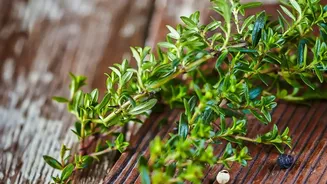
Regularly trimming your thyme is the secret to a compact, productive plant. Light, frequent harvesting encourages the plant to branch out and produce more tender, flavourful leaves. When you need a few sprigs for a recipe, simply snip the top few inches of a green, non-woody stem, cutting just above a set of leaves. This will stimulate new growth from that point. It's best to avoid cutting into the thick, woody base of the plant, as it may not regrow from old wood. A more significant pruning can be done once or twice a year, typically in the spring, to shape the plant and remove any dead or straggly stems from winter. Never remove more than one third of the plant at once to avoid causing stress.
Harvesting Your Homegrown Herb
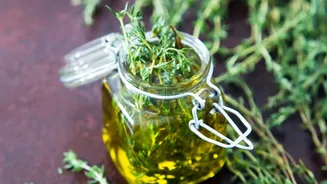
You can harvest thyme yearround, but its aromatic oils are most concentrated right before the plant begins to flower in the summer. For the most intense flavour, harvest in the morning after the dew has dried but before the sun gets too hot. Snip fresh sprigs as needed for your cooking adventures. The leaves add a wonderful, earthy flavour to everything from roasted vegetables and meats to soups and sauces. Lemon thyme varieties are particularly lovely for teas and fish dishes. For longterm storage, you can easily dry the sprigs by hanging them in a warm, dark, wellventilated area. Once dried, the leaves retain their flavour remarkably well.