




Why Timing is Everything
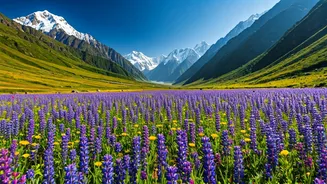
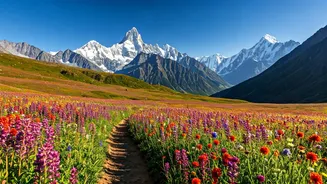
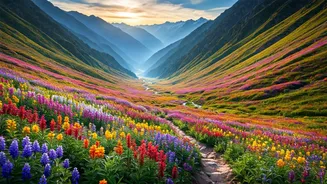
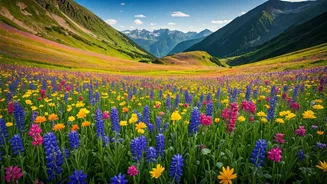
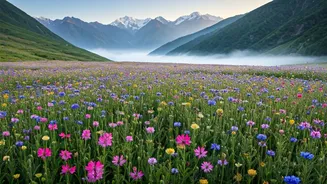
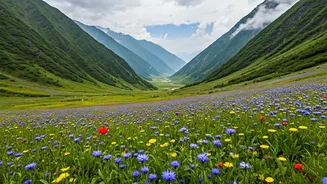
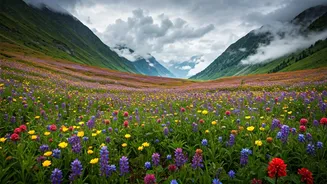
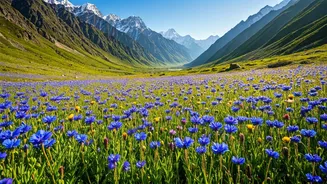
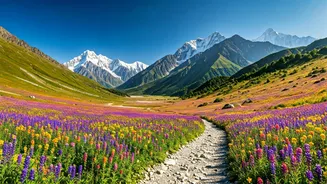
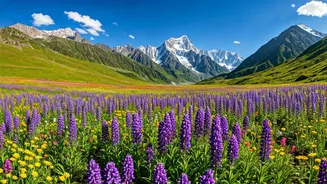
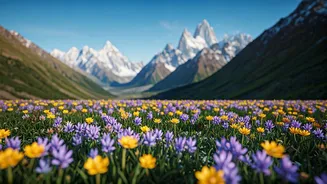
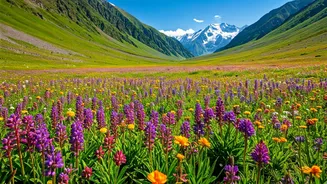
The Valley of Flowers is a seasonal wonder, accessible for only a few months each year. For most of the year, it lies dormant under a thick blanket of snow. The magic happens during the monsoon, when the snow melts and more than 600 species of flowers
burst into bloom. However, the window is tight. Arrive too early in June, and you'll find a greener, less flowered landscape with lingering snow. Arrive too late in September, and the blooms will be fading as autumn colours take over. The experience changes almost weekly, making your travel dates the single most important decision for a successful trip.
The Golden Window: Best Time to Visit in 2026
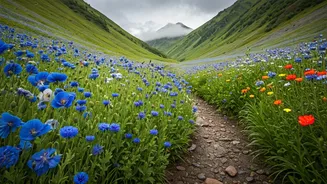
For the 2026 season, the park is scheduled to be open from June 1 to October 31. While this sounds like a long period, the absolute best time for the most vibrant and diverse floral display is between mid-July and mid-August. During this peak monsoon period, the valley is a kaleidoscope of colours, featuring famous blooms like the Blue Poppy, Brahma Kamal, and Himalayan Orchid. If you prefer clearer skies, fewer crowds, and don't mind a less dense floral show, September is an excellent alternative. The monsoon has started to recede, offering better views of the surrounding snow-capped peaks.
The Permit Process, Simplified
Entry to this protected national park is strictly controlled. As of 2026, online registration is compulsory for all visitors. You can book your permit through the official Uttarakhand Forest Department portal. You will need to provide your personal details and a valid government-issued photo ID. The entry fee for Indian citizens is around ₹200, while for foreign nationals, it's approximately ₹800. This permit is typically valid for three days, allowing you multiple entries. With a daily cap of just 300 visitors enforced to protect the fragile ecosystem, it is crucial to book your permit well in advance, especially if you plan to visit during the peak season of July and August.
Planning Your Journey to the Valley
Reaching the Valley of Flowers is an adventure in itself. The journey begins with a long drive from Haridwar or Rishikesh to Govindghat. From Govindghat, a short shared-jeep ride takes you to Pulna, the official starting point of the trek. The first major leg is a 9-10 km trek to Ghangaria, the base camp village for both the Valley of Flowers and the Sikh pilgrimage site of Hemkund Sahib. Ghangaria has basic guesthouses and hotels, but it's essential to book accommodation in advance during peak season. From Ghangaria, a further 3-4 km trek takes you to the entrance of the valley itself.
Rules of the Valley: Respect the Ecosystem
The Valley of Flowers is a fragile ecosystem, and visitors must adhere to strict rules. Entry and exit times are fixed; the park generally opens at 7:00 AM, with the last entry around 2:00 PM, and everyone must exit by 5:00 PM. Overnight camping is strictly forbidden. Visitors must stay on the designated trails to avoid damaging the delicate flora. Plucking flowers or taking any plants from the park is a serious offence. Furthermore, littering is not allowed; you must carry all your waste back with you. These rules are in place not to inconvenience visitors, but to preserve the pristine beauty of this natural wonder for generations to come.
What to Pack and Expect
The trek to the Valley of Flowers is considered easy to moderate, making it accessible for beginners with a reasonable level of fitness. The trail from Pulna to Ghangaria is the most demanding part. Given that the trek is during the monsoon, waterproof gear is non-negotiable. Pack a good quality rain jacket, waterproof pants, and waterproof trekking shoes. The weather can change rapidly in the mountains, so dressing in layers is advisable. Carry essentials like a daypack, water bottle, sunscreen, a first-aid kit, and enough cash, as ATMs are unreliable after Joshimath. While the facilities in Ghangaria are basic, the experience of waking up in the heart of the Himalayas makes it all worthwhile.