


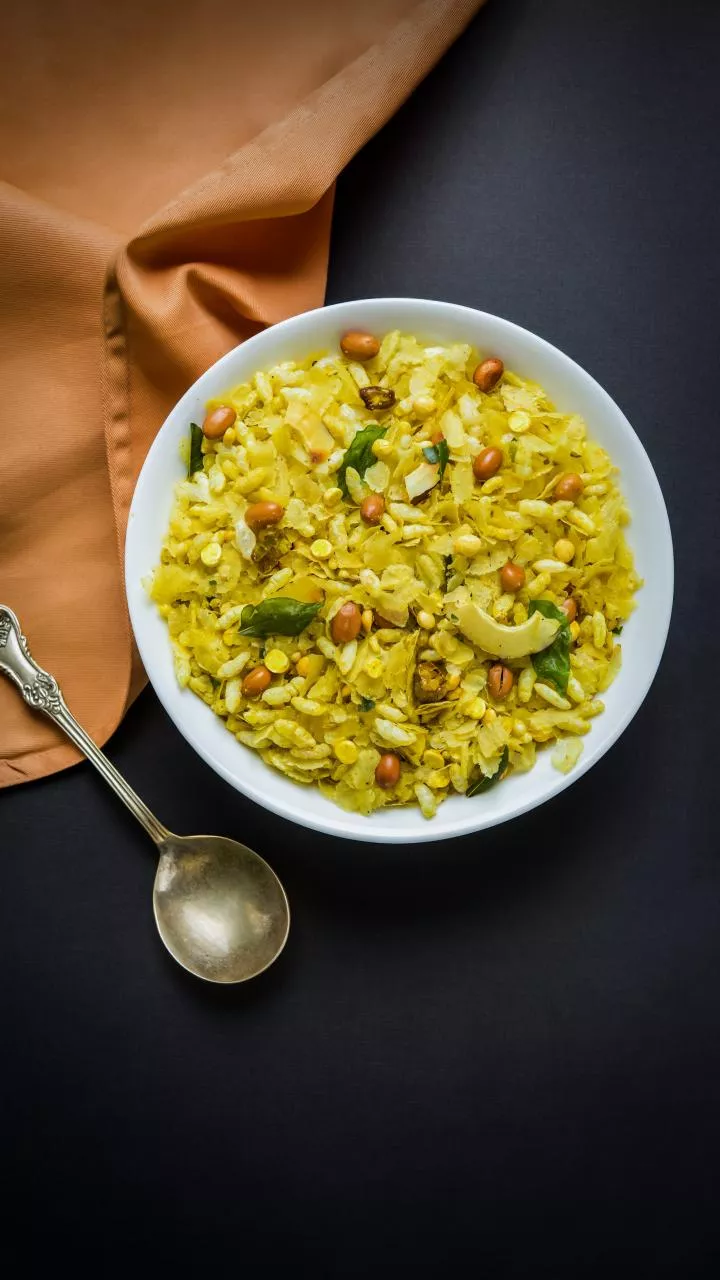

The ultimate Bengali street food, Jhalmuri is a symphony of crunch, spice, and tang in a paper cone. Its magic lies in fresh ingredients, but the true hero that ties it all together is fresh coriander, or 'dhone pata'. Here’s how to get it right.
The Soul of Kolkata Street Food
Jhalmuri
is more than just a snack; it's a cultural icon. It translates to 'spicy puffed rice', but this description barely scratches the surface. It's a masterful mix of textures and flavours: light and airy puffed rice (muri), crunchy fried lentils and peanuts, sharp raw onion and green chilli, tangy tamarind, and the pungent kick of mustard oil. It’s assembled in moments by street vendors, shaken vigorously in a metal canister, and served in a cone made of newspaper. The experience is an assault on the senses in the best possible way. While recipes vary from vendor to vendor, the one non-negotiable element for that authentic, fresh burst of flavour is a generous helping of finely chopped coriander.
Gathering Your Core Components
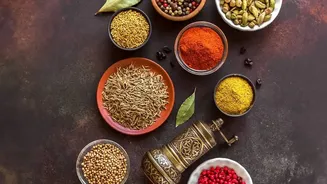
Before we get to the star herb, let's assemble the cast. The beauty of Jhalmuri is its flexibility, but a classic base is essential. You will need plain puffed rice (muri), which should be crisp and dry. To this, you'll add chanachur or Bombay Mix for crunch and spice. Essential additions include finely chopped red onion, boiled and diced potatoes, and chopped green chillies for heat. For the wet ingredients, a splash of raw mustard oil is non-negotiable for its signature pungent flavour, along with some tamarind water for tang. Roasted peanuts, sev, and pieces of dried coconut add another layer of texture. Finally, a special Jhalmuri spice mix (bhaja moshla), typically made from roasted and ground cumin and coriander seeds, brings it all together. But all these ingredients are merely supporting actors for the fresh, aromatic punch of coriander.
The Art of Prepping Fresh Coriander
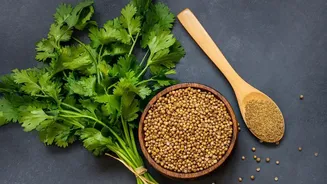
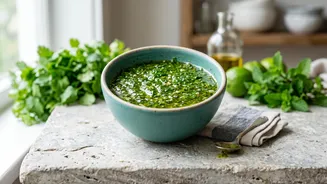
This is where many home cooks falter. Fresh coriander can make or break your Jhalmuri. Using limp, bruised, or improperly washed leaves can introduce a muddy or soapy taste, ruining the entire dish. First, select the best bunch. Look for vibrant green leaves with firm stems; avoid anything yellowing or wilted. The most flavour is concentrated in the leaves and tender upper stems, so don't be afraid to use them. The key to preparation is washing and drying thoroughly. Submerge the coriander in a bowl of cold water and swish it around to dislodge any grit. Lift it out, discard the dirty water, and repeat until the water is clear. The most crucial step is drying. Pat it dry gently with a clean kitchen towel or use a salad spinner. Excess water will make your Jhalmuri soggy. For chopping, gather the coriander into a tight bunch and use a sharp knife to slice it finely. A dull knife will bruise the leaves, releasing their flavour too early and creating a darker, less appealing herb.
Assembling the Perfect Jhalmuri
Jhalmuri is all about speed and fresh assembly; it should be eaten immediately. In a large bowl or canister, combine your dry ingredients first: the puffed rice and the chanachur. Give them a quick toss. Now, add the chopped onion, potato, green chillies, and any other solid additions like peanuts or coconut. Follow with your spice mix (bhaja moshla) and a pinch of black salt. Pour over the mustard oil and tamarind water. This is the moment to add your perfectly prepped fresh coriander. Add a generous handful, reserving a little for garnish. Now, the final step: the mix. If using a bowl, use a large spoon to toss everything together rapidly and thoroughly. If you have a canister with a lid, shake it vigorously for about 15–20 seconds. This action, called 'jhalano', is what gives the dish its name and perfectly coats every grain of puffed rice. The goal is a mixture that is flavourful and moist, but not wet. The puffed rice should still have its signature crunch.
Once mixed, serve immediately in bowls or paper cones. Top with an extra sprinkle of sev for crunch and your reserved fresh coriander for a final burst of aroma. Jhalmuri is endlessly customisable. Some popular variations include adding chopped tomatoes (use firm ones with less juice to avoid sogginess), sprouted black chickpeas (kala chana) for an earthy flavour, or a squeeze of lime juice for extra zing. The key is to maintain the balance of dry and wet, crunchy and soft, tangy and spicy. But no matter how you customise it, never skimp on the fresh coriander. It's the bright, herbaceous note that cuts through the spice and pungency, making your homemade Jhalmuri taste just like it came from a bustling Kolkata street corner.