




The Monsoon Challenge for Fresh Produce
The rainy season creates the perfect storm for vegetable spoilage. The combination of high humidity and ambient moisture creates an ideal breeding ground for mould, fungus, and bacteria. Fresh produce, which continues to 'breathe' even after being harvested,
releases moisture. When this is trapped by poor ventilation, especially inside plastic bags, the process of decay accelerates dramatically. Furthermore, transportation and supply chain issues during heavy rains can mean that the vegetables reaching your local vendor might already be older and more susceptible to spoilage. This makes careful selection and proper storage more critical than ever.
Best Vegetables to Buy This Season
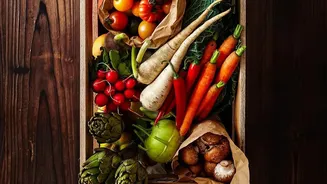
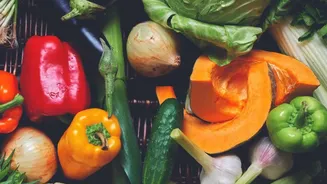
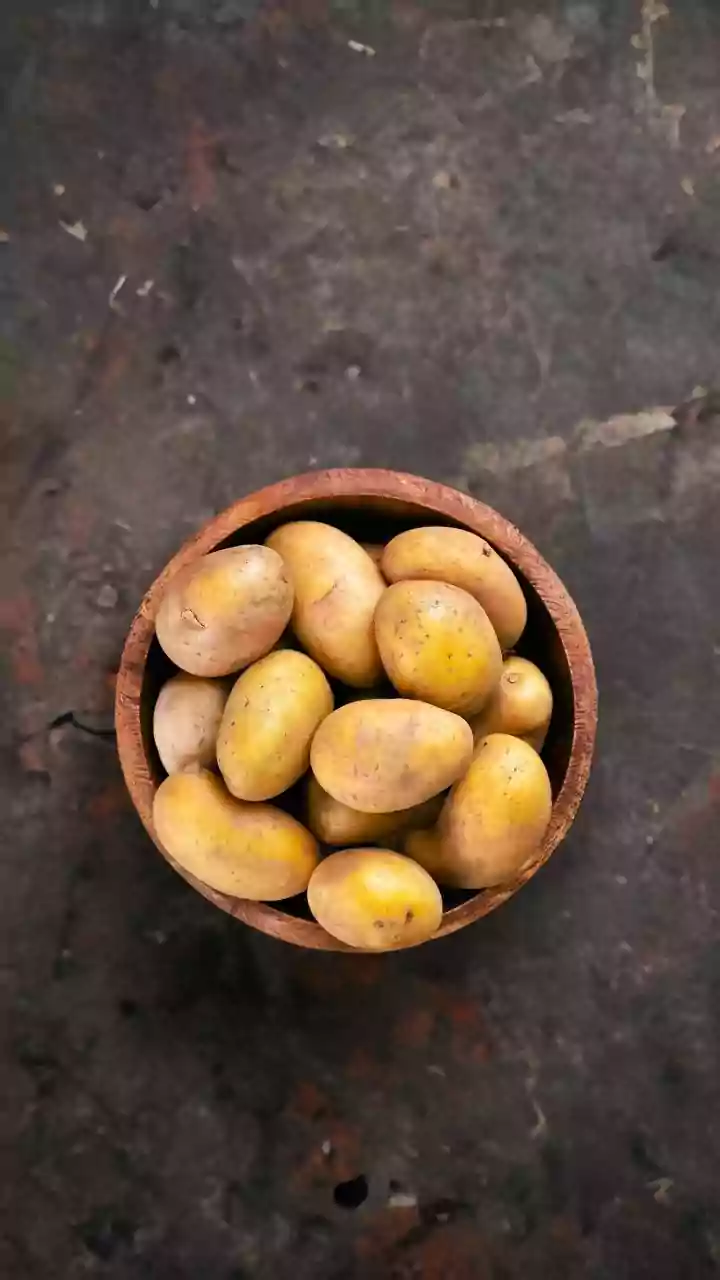
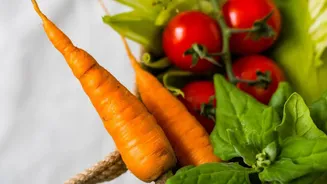
Your best bet during the monsoon are vegetables that are inherently sturdy and have lower water content. Focus your shopping list on the gourd family, as they hold up well against the humidity. This includes bottle gourd (lauki), ridge gourd (tori), pointed gourd (parwal), and Indian squash (tinda). Root vegetables are also excellent choices. Potatoes, sweet potatoes, carrots, and beetroot are durable and less prone to quick rotting. When buying potatoes and onions, look for those with dry, unblemished skin and no sprouts. Other reliable options include corn on the cob, a true monsoon favourite, and pumpkins.
Leafy Greens: Proceed with Caution
Leafy green vegetables are particularly vulnerable during the monsoon. The damp conditions can lead to them being infested with worms, dirt, and faster decay. Vegetables like spinach, cabbage, and cauliflower, which have many layers, can trap moisture and pests, making them riskier choices. If you do buy leafy greens like coriander or spinach, inspect them thoroughly. Choose bunches that are crisp and bright green, avoiding any with yellowing or slimy leaves. It is best to consume them as quickly as possible, preferably on the day of purchase, after washing them thoroughly.
Smart Shopping and Inspection Tips
The key to longevity starts at the market. Instead of bulk buying for the week, try purchasing smaller quantities more frequently. This ensures you're always working with the freshest possible produce. When selecting, use your senses. Look for vegetables that are firm to the touch, have bright, natural colours, and a fresh smell. Avoid anything with cuts, bruises, soft spots, or any signs of mould. Pay special attention to pre-cut vegetables, as their exposed surfaces are more susceptible to germs, especially in the humid monsoon weather. Carry reusable cloth bags for your shopping, as they allow for better air circulation than the plastic bags often used by vendors for transport.
The Golden Rules of Home Storage
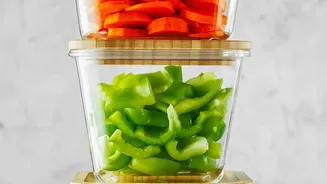
How you store your vegetables is just as important as how you buy them. The number one rule is to combat moisture. Do not wash your vegetables before storing them; wash them only right before you plan to cook. If vegetables are damp from the rain or market, pat them completely dry with a paper towel before putting them away. For leafy greens, wrap them in paper towels to absorb excess moisture and then place them in a perforated or breathable bag in the fridge's crisper drawer. Root vegetables like potatoes, onions, and garlic should be stored in a cool, dark, and dry place with good ventilation, not in the refrigerator, which can alter their flavour. Also, be mindful of separating certain items. Vegetables like tomatoes release ethylene gas, which can speed up the spoilage of other produce, so store them separately.