




First, What Is Tteokbokki?
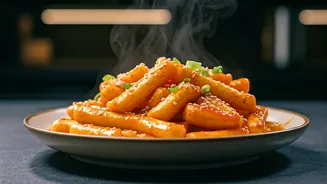
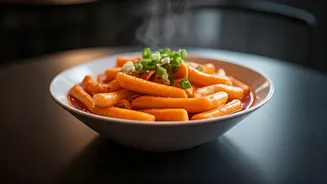
Before we dive into its meteoric rise, let's get acquainted. Tteokbokki (pronounced 'top-oh-kee') is a beloved Korean street food. At its heart are 'tteok', which are cylindrical, delightfully chewy rice cakes. These are traditionally simmered in a vibrant,
fiery-red sauce made from 'gochujang' (a fermented chilli paste) and 'gochugaru' (chilli powder), balanced with a touch of sweetness. Often, the dish includes 'eomuk' (thin fish cakes), boiled eggs, and scallions. The result is a comforting, spicy, sweet, and savoury one-bowl meal that’s both a simple snack and a substantial treat. It’s the kind of food you see characters in Korean dramas devouring after a long day, and for good reason—it’s pure comfort.
From Screen Cameo to Menu Star
The single biggest catalyst for Tteokbokki’s explosion in India is undeniably the Hallyu, or Korean Wave. For years, fans of K-dramas and K-pop have watched their favourite idols and actors enjoy this dish on screen. In shows like 'Vincenzo', 'True Beauty', and countless others, Tteokbokki is more than just food; it’s a cultural touchstone representing friendship, comfort, and everyday life in Korea. This constant visual exposure created a powerful, latent demand. Indian viewers, captivated by the stories, also grew curious about the food. Early on, satisfying this craving meant a trip to a niche Korean restaurant or a complex DIY project involving imported ingredients. Entrepreneurs and cafe owners saw the gap in the market and realised they had a pre-built, enthusiastic audience waiting.
The 'Cafe-fication' of a Street Food
Why has Tteokbokki become a cafe staple, rather than remaining confined to specialty restaurants? The answer lies in its versatility. Unlike a complex, multi-course meal, Tteokbokki is a perfect 'small plate' or shareable snack, fitting seamlessly alongside fries, sandwiches, and coffee. It’s visually striking—that bright red sauce is incredibly 'Instagrammable', a crucial factor for any modern cafe. It’s also highly customisable. The base of rice cakes and sauce acts as a blank canvas, allowing chefs to innovate and adapt it for a wider palate. For cafe owners, it’s a trendy, high-margin item that doesn't require a complete overhaul of their kitchen setup. It capitalises on a global trend while being simple enough to execute consistently.
Tteokbokki with an Indian Twist
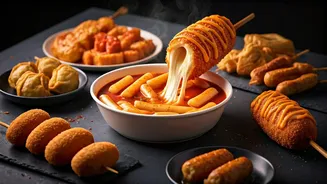
The 'Tteokbokki Everything' wave isn’t just about serving the classic recipe; it’s about reinvention. Walk into cafes across Delhi, Mumbai, or Bengaluru, and you'll find a fascinating array of variations. 'Cheese Tteokbokki', with a blanket of gooey, melted mozzarella on top, is a crowd favourite, tempering the spice with creamy richness. Another breakout star is 'Rabokki', a genius mashup that adds instant ramen noodles to the pot, making it even more satisfying. We're also seeing creamy, non-spicy versions like Carbonara Tteokbokki, which swaps the gochujang for a cheesy white sauce, and even fusion experiments that incorporate familiar Indian flavours. This adaptability has been key to its success, offering a gateway for those wary of the intense spice of the original while still providing an authentic chew and texture.
A Sign of Changing Tastes
The rise of Tteokbokki is more than just a passing fad; it signals a deeper shift in the Indian urban palate. It reflects a generation of diners who are globally aware and culinarily adventurous, thanks to the internet and streaming platforms. The demand is no longer just for 'Indian Chinese' or generic 'Continental' fare. Consumers are seeking authentic, specific, and interesting flavour profiles from around the world. The success of this spicy rice cake dish demonstrates the incredible power of soft culture—how a country's entertainment can directly influence consumer behaviour, from fashion to food. It’s a testament to a globalised world where a humble street food from Seoul can find a new, loving home in the bustling cafe lanes of India.