




The Power of Strategic Reflection
Mirrors are interior design's oldest trick for a reason: they work. A mirror doesn’t create light, but it redirects what you already have, bouncing it around the room to illuminate dim areas. By reflecting around 90% of the light that hits it, a well-placed
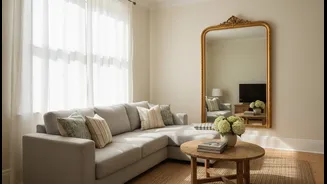
mirror can effectively double a light source, making a space feel significantly brighter and more open. The key is placement. The single most effective spot for a mirror is directly opposite a window. This allows it to catch incoming daylight and cast it back into the room, brightening the entire space and reducing the need for artificial lighting during the day. Even placing a mirror on a wall adjacent to a window can capture and spread a useful amount of light.
Making the Most of Mirrors
To truly maximize the effect, think big. A single, large mirror will have a much greater impact on a room's brightness than several smaller ones. Consider a full-length mirror leaned against a wall; it not only reflects light but also creates the illusion of another window or doorway, adding a sense of depth. In narrow spaces like hallways, a large mirror can make the area feel wider. Beyond reflecting natural light, mirrors can also amplify artificial light sources. Placing a mirror behind a lamp or near a light fixture will help spread its glow more evenly throughout the room, which is especially useful in windowless spaces. Even mirrored furniture, like a coffee table or side cabinet, can help by adding reflective surfaces that bounce light upwards and around the room.
The Gentle Glow of Sheer Curtains
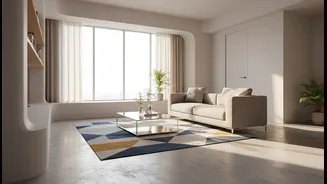
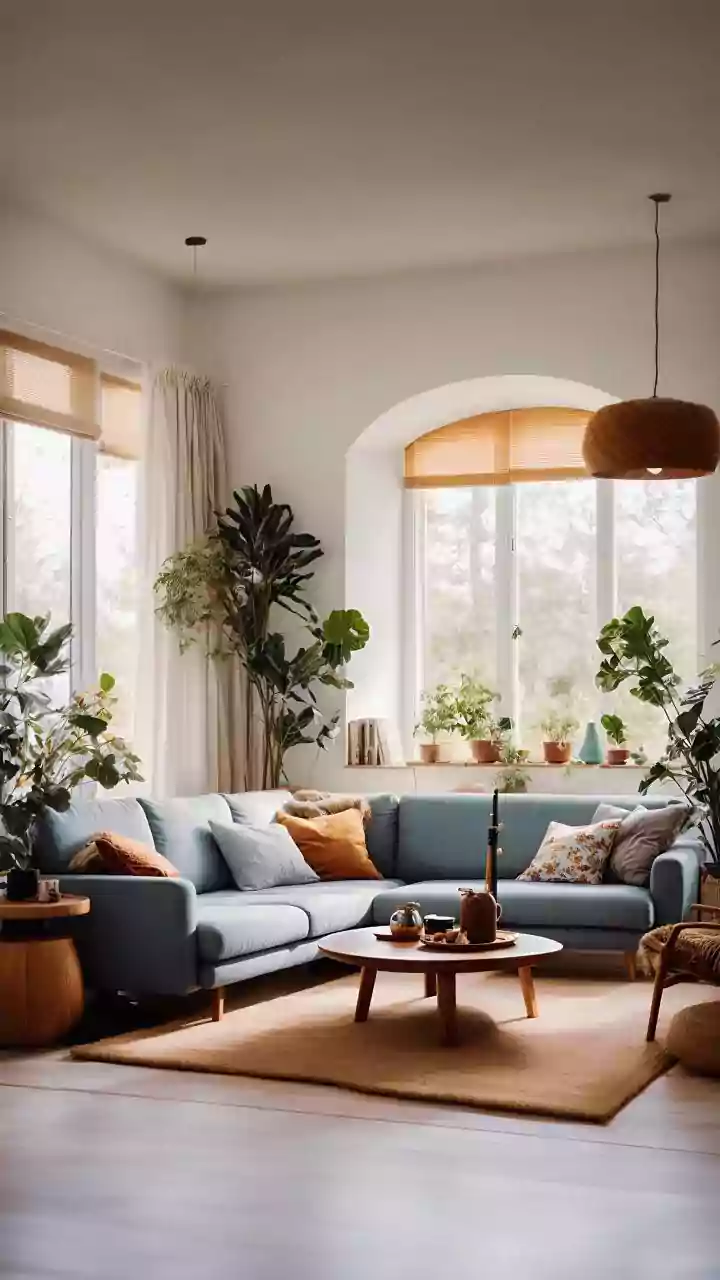
Heavy, opaque curtains can stop daylight in its tracks, making even a sunny room feel gloomy. Sheer curtains offer the perfect solution. Made from lightweight, translucent fabrics like voile, chiffon, or linen blends, sheers are designed to diffuse harsh sunlight, not block it. This process transforms direct, glaring sun into a soft, even glow that spreads throughout the space, reducing sharp shadows and making the room feel calmer and more inviting. They allow you to enjoy the benefits of natural light while maintaining a degree of privacy during the daytime.
Choosing and Styling Sheer Curtains
When selecting sheers, the color and fabric make a difference. Light, neutral colors like white, cream, and soft grey are timeless choices that reflect the most light and help a space feel open and airy. For the illusion of height, hang floor-length sheer panels from a rod mounted as high and wide as possible. This draws the eye upward and makes windows appear larger. While sheers provide daytime privacy, they are translucent. For bedrooms or street-facing rooms where more privacy is needed at night, consider layering. Pairing sheer curtains with heavier, opaque drapes or a simple blackout roller blind offers the best of both worlds: soft, filtered light during the day and complete privacy when you need it.
Beyond the Basics: Other Light-Enhancing Tricks
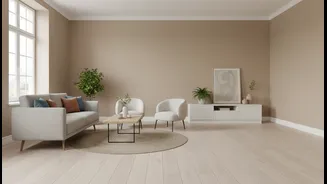
While mirrors and sheers are powerful tools, they work even better as part of a broader strategy. Light-colored walls in shades of soft white, beige, or pastels naturally reflect light, amplifying the brightness in a room. Similarly, furniture and decor with glossy or metallic finishes can help bounce light around. Polished metal accents, glass tabletops, and even shiny cabinet hardware contribute to a brighter, more reflective environment. By combining these elements, you create a cohesive design where every surface works together to help daylight travel further, turning even the smallest, darkest rooms into bright, welcoming retreats.