






The Indian Premier League is a financial juggernaut, with franchise valuations soaring. But beyond the glamour, how do teams actually make money? The answer lies in a complex but lucrative business model that balances shared riches with individual effort.
The Central Revenue Pool: The Financial Backbone
The single largest source of income for every IPL franchise comes from the central revenue pool managed by the Board of Control for Cricket in India (BCCI). This pool is primarily funded by two massive deals: the media broadcasting rights and the league's title and central sponsorships. For the 2023-2027 cycle, the media rights were sold for an astounding $6.2 billion. The BCCI shares a significant portion of this central revenue with the franchises, historically around a 50-50 split. This means each team receives a guaranteed income of hundreds of crores annually, regardless of their performance on the points table. This shared income provides immense financial stability and forms the bedrock of every team's earnings, accounting for an estimated 70-80% of their total revenue.
Local Sponsorships and Branding Deals
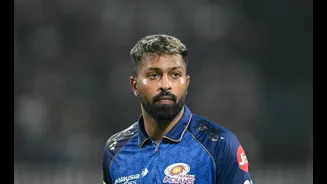
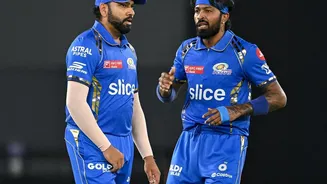
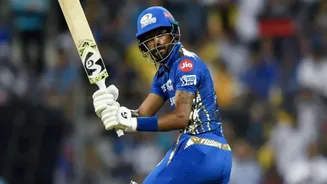
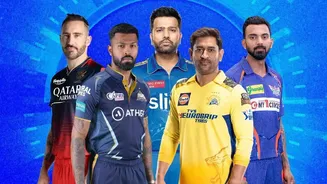
While the central pool provides stability, franchises build their fortunes through local revenue streams. Team sponsorships are a critical component, with brands paying huge sums to feature their logos on player jerseys, helmets, and caps. Teams with large, dedicated fan bases like Mumbai Indians, Chennai Super Kings, and Royal Challengers Bengaluru can command premium sponsorship deals, reportedly earning over ₹150 crore each season from these commercial partnerships. Other franchises also secure deals worth close to ₹100 crore. These agreements are a direct result of the massive viewership the IPL attracts, making it a prime platform for advertisers.
Match Day Revenue: Tickets, Hospitality, and More
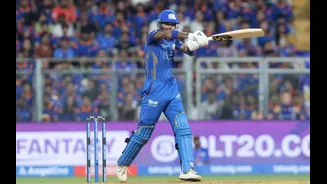
Every franchise plays a set number of home games during the league stage, creating a valuable source of match-day income. This revenue comes primarily from ticket sales, but also includes earnings from corporate hospitality boxes and in-stadium food and beverage sales. While a portion of gate collections may be shared with local cricket associations, it remains a significant earner. Teams with high stadium attendance and premium seating options, like RCB, have been reported to earn as much as ₹15 crore from a single home game. Across a season, top franchises can generate over ₹150 crore from stadium operations alone.
The Other Side of the Ledger: Major Costs
Earning hundreds of crores is one thing; keeping it is another. Franchises face substantial annual expenses that impact their overall profitability. The most significant cost is player salaries. For the 2026 season, each team operated with an auction purse of ₹120 crore. Beyond player fees, teams invest heavily in coaching staff, data analysts, and physiotherapists. Other major costs include travel and accommodation for the team and support staff, stadium operational fees, marketing and advertising campaigns, and administrative expenses. While revenue is high, these costs mean that profitability depends on careful financial management.
Merchandise and Brand Value Growth
A growing revenue stream for IPL teams is the sale of official merchandise. Jerseys, caps, and other fan gear contribute directly to a franchise's bottom line. Selling five lakh jerseys at an average price of ₹2,000 could generate around ₹100 crore in revenue. Beyond direct sales, the overall brand value of a franchise is a crucial longterm asset. Strong brand equity, built through onfield success and fan engagement, leads to more lucrative sponsorship deals and higher overall valuations. According to Sportico, the average IPL franchise was valued at $1.7 billion in 2026, with Mumbai Indians leading at $2.1 billion, reflecting immense investor confidence in the league's financial future.