

The End of Endless Consumption
For years, fashion culture, amplified by social media, pushed the idea that every occasion demanded a new outfit. This encouraged a cycle of overconsumption that was both expensive and unsustainable. Now, the tide is turning. Indian consumers are becoming
more deliberate and discerning. The idea of 'repeat-wear'—investing in quality pieces that can be styled in multiple ways—is gaining traction. This shift is less about restriction and more about empowerment, focusing on personal style and longevity over novelty. It marks a move away from the cluttered, trend-driven closet towards a more curated and intentional wardrobe. This change reflects a more mature and thoughtful approach to fashion, where value is measured in cost-per-wear, not the number of new items acquired.
Quality Over Quantity: The New Value Equation
Shoppers across India are recalibrating what 'value' means. It's no longer just about the lowest price tag, but about durability, fabric quality, and versatility. Consumers are asking practical questions: 'Is this worth the price? Will it last beyond one season? Can I wear it often?'. This mindset has sparked a boom in the mid-premium and premium apparel segments, which are growing significantly faster than the overall retail sector. According to a Deloitte India report from January 2026, the premium apparel market is projected to grow at over 45% CAGR. This 'premiumisation' is driven by rising disposable incomes and a desire for products that offer better quality materials and craftsmanship. Brands are responding by focusing on fabric strength, better stitching, and timeless designs that promise to be wardrobe staples.
Sustainability Becomes a Style Statement
The shift towards repeat-wear is deeply connected to a rising environmental consciousness, especially among Gen Z and Millennial consumers. These generations, who together will account for about 75% of spending on India's digital-first fashion brands by 2028, are increasingly aware of fast fashion's ecological footprint. This has fuelled a movement toward sustainable fashion, reviving traditional Indian practices like handloom weaving and the use of natural dyes, which inherently have a lower environmental impact. A growing number of homegrown brands are building their identity around ethical production, upcycling, and the use of eco-friendly materials like organic cotton and recycled fabrics, proving that fashion can be both responsible and stylish.
From Social Media Hauls to Curated Closets
Social media, once the primary engine of fast fashion trends and shopping 'hauls', is now also championing a more mindful approach. While platforms like Instagram still drive enormous sales, a new wave of influencers is promoting concepts like capsule wardrobes, styling challenges, and the art of re-wearing. They demonstrate how to create multiple distinct looks from a single piece, whether it's a kurta set, a saree, or a versatile dress. This content empowers viewers to shop their own closets and develop their creative styling skills, shifting the focus from passive consumption to active, personal expression. This has democratised fashion, allowing personal style to take precedence over brand prestige.
How to Build a Repeat-Wear Wardrobe
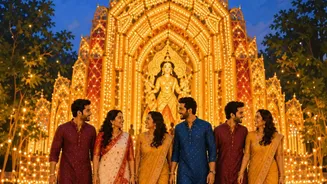
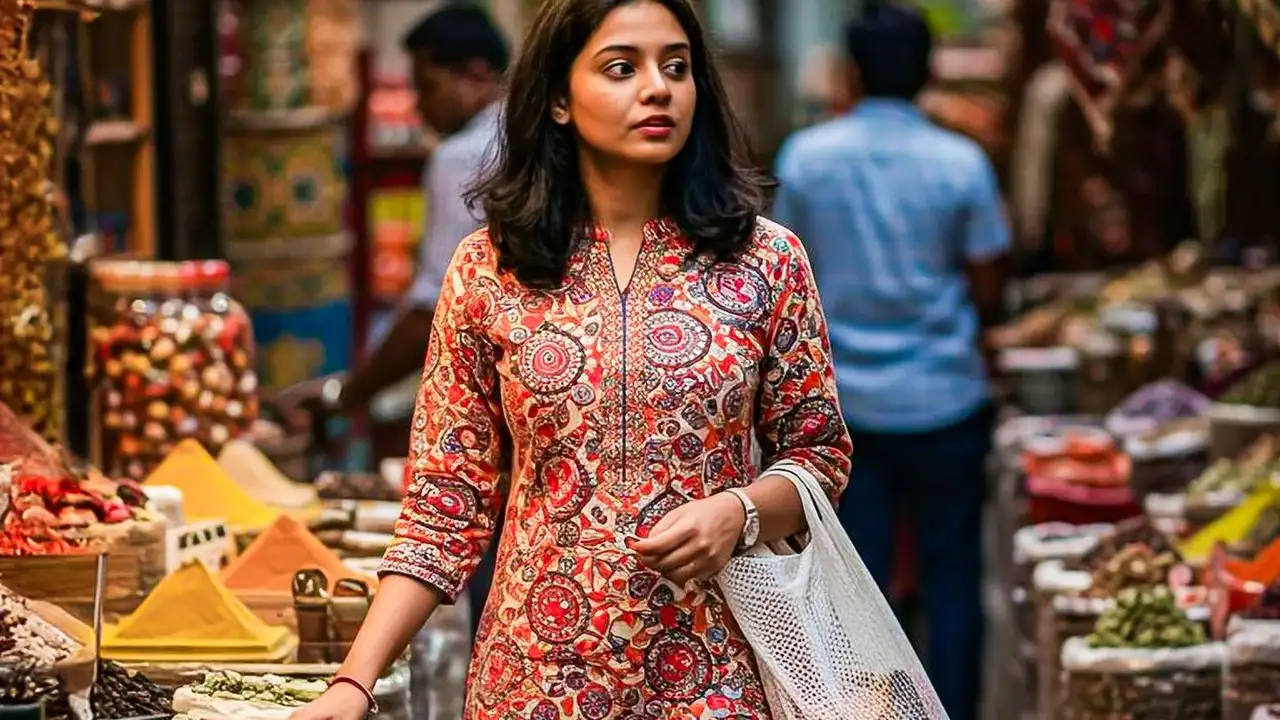
Embracing repeat-wear starts with a shift in mindset and a few practical steps. Focus on investing in versatile staples, particularly in Indian ethnic wear which is naturally flexible. A classic kurta, for instance, can be paired with jeans, palazzos, or cigarette pants. Changing a dupatta, swapping footwear, or adding a belt can completely transform a salwar suit or saree. The goal isn't to disguise that you're repeating an outfit, but to celebrate its versatility. Building a capsule wardrobe with high-quality, complementary pieces like co-ord sets, classic tops, and neutral bottoms allows for countless combinations, reducing stress, saving money, and ensuring you always have something truly great to wear.