



1. The Mighty Millet Revival
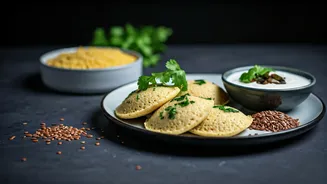
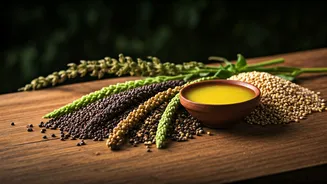
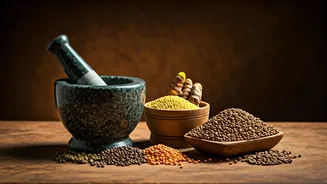
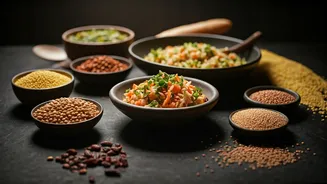
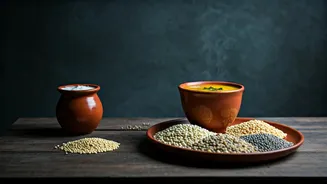
Not long ago, millets like jowar, bajra, and ragi were seen as humble, rural foods. Today, they are nutritional superstars. Thanks to a government push and a renewed appreciation for indigenous grains, millets are making a huge comeback. Why the excitement?
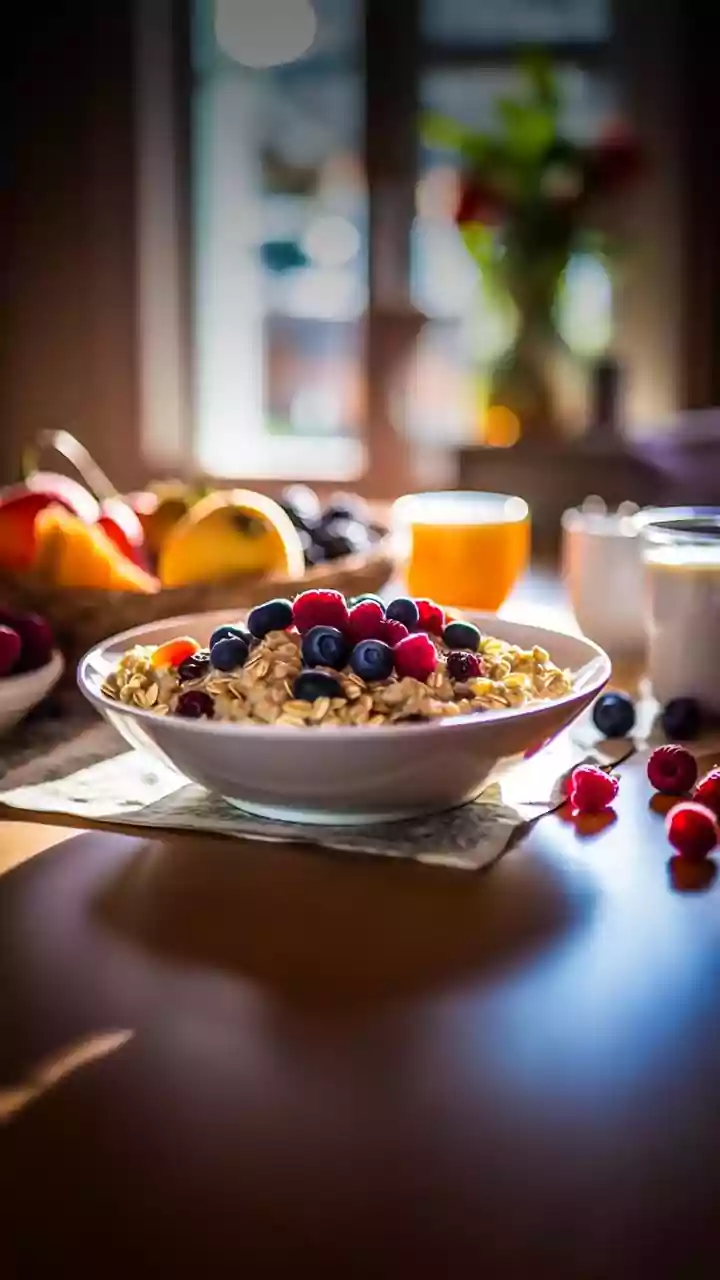
They are gluten-free, rich in fibre, protein, and micronutrients, and have a low glycemic index, which helps in managing blood sugar levels. Beyond their health benefits, millets are climate-resilient crops that require less water than rice and wheat, making them a sustainable choice for the future. From ragi dosas and jowar rotis to millet-based breakfast bowls and even desserts, Indians are creatively incorporating these ancient grains back into their daily meals, proving that what’s old is new again.
2. Good Fats Make a Comeback
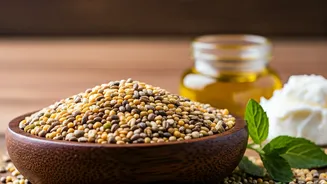
For decades, fat was the enemy, and low-fat products filled supermarket shelves. Now, the narrative has flipped. The focus is no longer on avoiding all fats, but on choosing the right ones. This trend signals a move away from highly processed, refined vegetable oils towards traditional, minimally processed fats. Think pure desi ghee, cold-pressed mustard oil, coconut oil, and groundnut oil. The logic is simple: these fats have been part of Indian culinary traditions for centuries. They are valued not just for their rich flavour profiles but also for their health properties, including anti-inflammatory benefits and a better balance of fatty acids. Consumers are increasingly scrutinising labels, preferring 'cold-pressed' or 'kacchi ghani' oils, which retain more nutrients compared to their industrially refined counterparts.
3. The Gut Health Obsession
The idea that a healthy gut is central to overall well-being has gone mainstream. This isn't about expensive probiotic supplements, but a return to traditional fermented foods that have always been a cornerstone of Indian cuisine. Dahi (yoghurt), lassi, idli, dosa, and dhokla are all naturally fermented foods teeming with beneficial bacteria that support digestion and immunity. Beyond these staples, regional fermented drinks like kanji (made from black carrots) and koozh (a fermented millet porridge) are also gaining renewed interest. This trend highlights a deeper understanding that our bodies host a complex ecosystem of microbes, and feeding them well with natural, fermented foods is one of the simplest ways to boost our health from the inside out.
4. 'Clean Labels' and Ingredient-Savvy Shoppers
Shoppers are tired of reading long, complicated ingredient lists filled with chemical-sounding names, preservatives, and artificial additives. The 'clean label' movement is a direct response to this. It’s a consumer-driven demand for transparency and simplicity. People want to buy food, not a science experiment. A 'clean' product is one with a short, recognisable, and easy-to-understand list of ingredients—things you might find in your own kitchen. This shift is forcing brands to reformulate their products, removing artificial colours, flavours, and preservatives. As a result, we're seeing more products that proudly advertise what they *don't* contain, empowering consumers to make more informed choices about what they and their families eat.
5. Eating Local and Seasonal
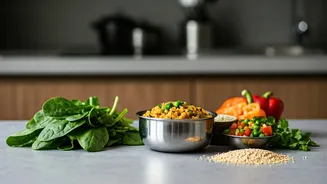
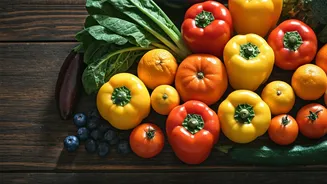
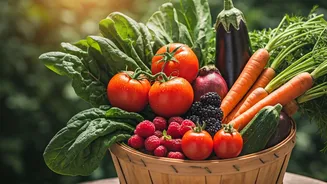
The wisdom of eating what's grown locally and in season is not new, but it's experiencing a powerful resurgence. This trend, often called 'hyperlocal' eating, is about more than just freshness. Seasonally available fruits and vegetables are often at their nutritional peak, more flavourful, and more affordable. Eating locally also supports community farmers and reduces the carbon footprint associated with transporting produce over long distances. Whether it's enjoying juicy mangoes in the summer, leafy greens in the winter, or regional berries during the monsoon, aligning our diets with nature's cycles is a simple, powerful, and inherently natural way to eat well.