



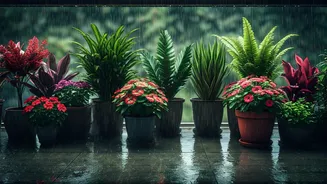


Choose the Perfect Monsoon-Ready Plants
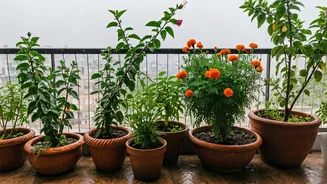
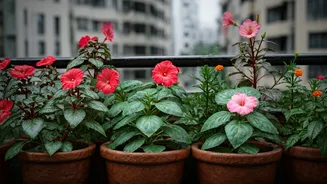
The foundation of a successful monsoon garden is selecting plants that love humidity and moisture. For a splash of colour, consider flowering plants like hibiscus, marigold, balsam, and bougainvillea, which flourish in the rainy season. [2, 7, 8] Fragrant
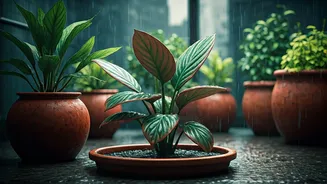
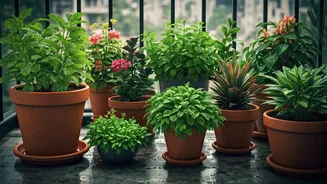
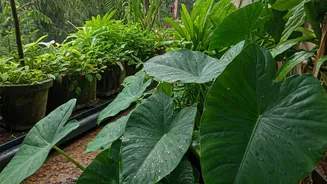
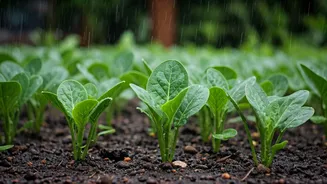
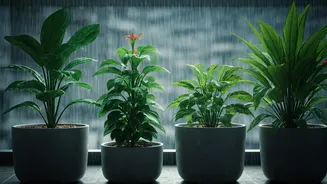
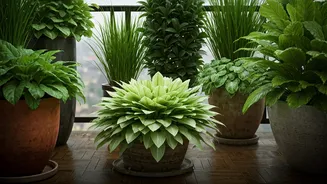
options like jasmine (mogra) not only thrive in the damp conditions but also fill the air with a sweet scent. [2, 7] For lush foliage, ferns, areca palms, and money plants are excellent choices that add a tropical feel. [2, 4] If you're interested in edibles, this is a great time to grow mint, coriander, spinach, and even vegetables like chillies and gourds. [2, 5, 12] Rain lilies are a particularly magical addition, as they often bloom right after a shower. [2, 5]
Mastering Drainage: The Golden Rule of Monsoon Gardening
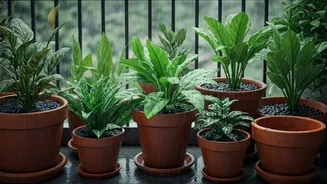
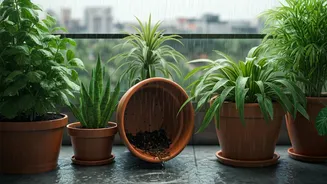
The single most important factor for a rain-ready garden is excellent drainage. [2] Without it, plants can suffer from root rot due to waterlogging. Start by ensuring every pot has at least one, if not several, drainage holes. [4, 9] Elevating your pots on stands, bricks, or even bottle caps helps ensure water can escape freely and prevents it from pooling underneath. [3, 18] During the monsoon, it's wise to remove the saucers or trays that normally sit under your pots, as they can become breeding grounds for mosquitoes. [2, 4] If a pot has no holes, you have two options: either drill some yourself or use it as a decorative outer pot (a cachepot) with a smaller, functional pot inside. [9, 16]
The Right Soil and Potting Mix
Standard garden soil is often too heavy for pots and can become a dense, waterlogged block during the monsoon. Instead, use a light, well-draining potting mix. [3, 11] A good formula to follow is a mix of garden soil, compost, and cocopeat (for moisture retention) or sand/perlite (for drainage). [5, 11] You can buy pre-made potting mixes or create your own. For instance, a blend of 40% compost, 40% garden soil, and 20% cocopeat works well. [5] Adding a layer of gravel or broken pottery pieces at the bottom of the pot was a traditional tip, but modern advice suggests it's better to ensure the drainage hole is clear and the soil mix is right. [18, 22] A light top dressing of organic compost every few weeks is better than chemical fertilisers, which can easily wash away in the rain. [2, 4]
Smart Placement and Protection
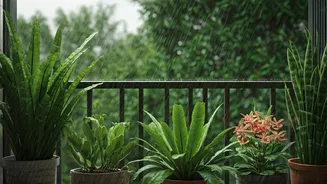
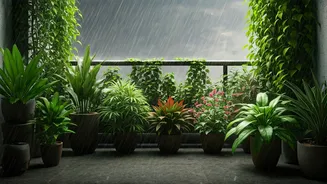
While monsoon plants love rain, torrential downpours can damage delicate leaves and flowers. [4] Observe your balcony to see which areas are partially sheltered. Move more sensitive plants, like basil or succulents, to these spots to protect them from the full force of the rain. [2, 8] Taller plants should be staked or tied to railings to prevent them from snapping in strong winds. [2, 5] Grouping plants together can create a more humid microclimate which they enjoy, but ensure there's still enough space for good air circulation to prevent fungal diseases. [3, 11] Utilizing vertical space with hanging baskets and wall-mounted planters can maximize your growing area and add visual interest. [4]
Monsoon Care and Pest Management
During the monsoon, you'll rarely need to water your plants manually. [2] Always check the soil first; if the top inch feels dry, then you can water. Overwatering is a common mistake. [5] The humid weather can also encourage pests and fungal growth. [5] Regularly prune any yellowing or dead leaves to improve air circulation and keep the plant healthy. [4, 11] Be vigilant for pests like aphids and mealybugs. A preventive spray of diluted neem oil on and under the leaves can be a great organic solution. [3, 5] Finally, keep your balcony floor clean to prevent slippery algae from forming and to ensure drainage outlets remain clear. [3]