




Start With The Right Tools
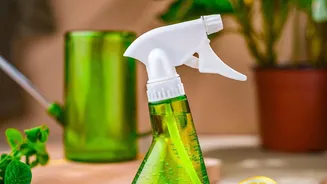
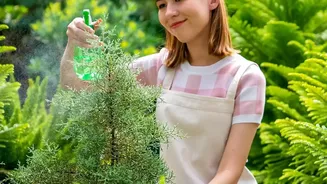
Before you begin, gather a few simple items to make your inspection easier. You don’t need much, but having these on hand will help you be more thorough. Grab a pair of gloves, a small magnifying glass to spot tiny culprits, and a spray bottle with water.
It's also a good idea to have some cotton swabs and rubbing alcohol ready for immediate action if you find anything suspicious. Keeping your tools clean is also important; wipe them down before and after checking each plant to avoid accidentally spreading any pests or diseases.
Examine Leaves, Top to Bottom
Pests often hide where you least expect them. Start by looking at the leaves. Check both the top surface and, more importantly, the undersides, as this is a favourite hiding spot for many insects. Look for common signs of trouble: yellow or brown spots, small holes, curled or distorted leaves, and any fine, silk-like webbing, which is a classic sign of spider mites. Also, feel the leaves for a sticky residue known as 'honeydew'. This substance is excreted by pests like aphids and mealybugs and can lead to a black, sooty mould.
Inspect Stems and New Growth
After the leaves, turn your attention to the stems, especially where leaves join them. These joints are ideal hiding places for pests like mealybugs, which look like small, white, cottony masses. Check the entire length of the stem for any unusual bumps. Scale insects often appear as small, hard or soft shell-like bumps that latch onto stems and suck the plant's sap. Don't forget to examine the new, tender growth at the tips of the branches. Aphids, which are tiny, soft-bodied insects, love to cluster on and feed from fresh shoots, causing stunted or deformed growth.
Check the Soil Surface
Post-monsoon soil can remain damp for extended periods, creating a welcoming environment for soil-dwelling pests. Look closely at the surface of the soil in your pots. Watch for tiny, dark flies hovering around the soil, which are likely fungus gnats. Their larvae live in the moist top layer of soil and can damage the plant's roots. Gently disturbing the top centimetre of soil might reveal other unwelcome guests. Also, check for snails or slugs, which thrive in damp conditions and can cause significant damage by chewing on leaves. Removing fallen leaves and other debris from the soil surface eliminates potential hiding spots and breeding grounds for these pests.
Know the Common Culprits
Familiarising yourself with the most common pests in Indian balcony gardens will help you identify them quickly. Aphids are small, pear-shaped insects that can be green, black, or yellow and cluster on new growth. Whiteflies are tiny, white, moth-like insects that fly up when a plant is disturbed. Mealybugs appear as fuzzy white spots in plant crevices. Spider mites are incredibly small and often only noticed when they create fine webbing on the plant. Early identification is crucial for effective control, so a quick visual check every few days can make all the difference.
Immediate First-Aid for Pests
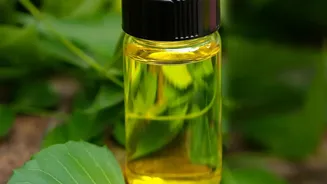
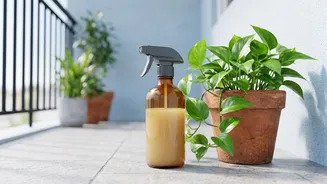
If you find pests, don't panic. The first step is to isolate the infested plant to prevent the problem from spreading to its neighbours. For a small number of visible pests like aphids or mealybugs, you can remove them manually using a cotton swab dipped in rubbing alcohol or by spraying them off with a jet of water. For a more general treatment, a neem oil solution is an excellent organic choice. Mix about 5ml of neem oil with a litre of water and a few drops of mild liquid soap to help it mix. Spray the entire plant thoroughly, paying close attention to the undersides of leaves. This should be done in the early morning or evening to avoid burning the leaves in direct sun.