


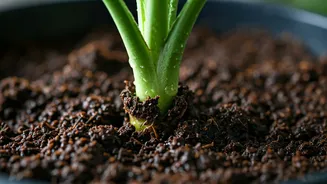


Why Overwatering is So Damaging
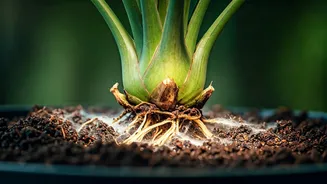
It seems counterintuitive, but providing too much water is often more dangerous than providing too little, especially for plants in containers. When soil becomes waterlogged, the air pockets that roots need to breathe are filled with water. Without access
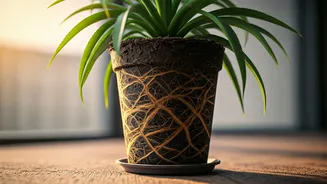
to oxygen, roots effectively begin to drown. This leads to a condition called root rot, where the roots become mushy, dark, and unable to absorb nutrients or water. Ironically, an overwatered plant can show the same signs of distress as a thirsty one, like wilting, which can trick well-meaning gardeners into watering it even more. In a balcony setting, where pots are confined and drainage can be limited, the risk is even higher.
Telltale Signs of an Overwatered Plant
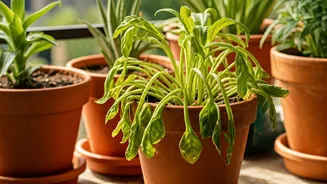
Learning to spot the signs of overwatering is the first step to correcting the problem. The most common symptom is yellowing leaves, often starting from the bottom of the plant and moving upwards. Unlike the crispy, brown leaves of an underwatered plant, these yellow leaves will feel soft and limp. Another key indicator is wilting, even when the soil feels wet to the touch. You might also notice a musty or rotten smell coming from the soil, the presence of mould on the surface, or a sudden infestation of tiny flying insects called fungus gnats, which thrive in moist conditions. In severe cases, the base of the plant's stem may feel soft and unstable.
The Golden Rule: How to Water Correctly
The single most important practice to adopt is to stop watering on a fixed schedule. Instead, always check the soil first. The 'finger test' is your most reliable tool: stick your finger about an inch or two into the soil. If it feels dry at that depth, it's time to water. If it's still moist, wait another day or two and check again. When you do water, do it thoroughly. Pour water slowly and evenly over the soil surface until you see it start to flow out of the drainage holes at the bottom. This ensures the entire root ball gets moistened and encourages deep, strong root growth. After a deep watering, make sure to empty any saucer or tray beneath the pot so the plant isn't left sitting in a pool of water.
Set Yourself Up for Success
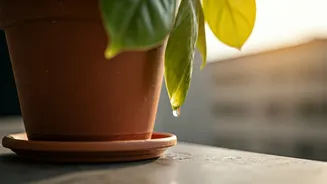
Proper watering technique is only half the battle; your setup plays a huge role. First and foremost, never use a pot that does not have drainage holes. Good drainage is non-negotiable for container gardening, as it allows excess water to escape. The soil you use is also critical. Avoid using heavy garden soil, which compacts easily and holds too much water. Instead, opt for a high-quality, lightweight potting mix designed for containers. These mixes often contain ingredients like perlite or vermiculite, which improve aeration and drainage. Finally, consider your pot's material. Terracotta pots are porous and dry out faster, while plastic or glazed pots retain moisture longer, affecting how often you'll need to water.
Adjusting for Seasons and Weather
A balcony garden is exposed to the elements, so your watering needs will change throughout the year. During hot and windy summer days, evaporation is high, and you may need to water daily, especially for smaller pots. Conversely, during cooler winter months, plant growth slows, and so does their need for water. Overwatering becomes an even greater risk in winter, so you might only water once a week or less. Always fall back on the finger test rather than a rigid calendar. Paying attention to your plants and the conditions on your balcony is the key to developing a gardener's intuition and keeping your green space thriving.