

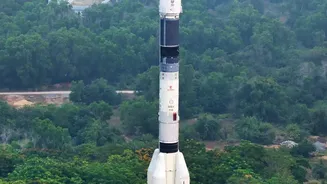
The New Space Race is Private
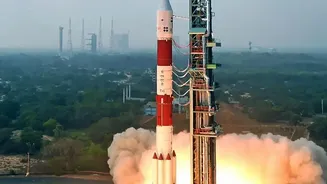
For decades, a career in space in India meant one thing: working for the Indian Space Research Organisation (ISRO). Today, the landscape is transforming at warp speed. The government's decision to open the sector to private players has ignited a startup
boom. Companies like Skyroot Aerospace, which recently became the first Indian private company to launch a rocket into orbit, Agnikul Cosmos, and Pixxel are now major players. This shift is driven by the Indian National Space Promotion and Authorisation Centre (IN-SPACe), an agency created to bridge the gap between ISRO and private enterprise. The goal is ambitious: to grow India's share of the global space economy from about 2% to nearly 10%, potentially reaching a value of $44 billion by the next decade. This expansion means that the demand for skilled professionals is set to explode, creating a new frontier for Indian talent.
Careers Beyond Rocket Science
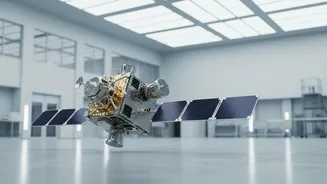
When you think of a space career, you might picture a scientist in a lab coat. But the modern space industry needs a much wider range of skills. While aerospace engineers remain crucial, private companies are also hiring software developers, data scientists, robotics experts, and even graphic designers and content writers. The fastest-growing track is in space software and AI, focusing on flight software, mission planning, and autonomous navigation. Companies are building everything from satellites that monitor agriculture to rockets that deliver them, creating jobs in manufacturing, logistics, and data analytics. There's also a growing need for specialists in remote sensing, using satellite data for everything from urban planning to disaster management, and even professionals in space law and policy. This diversification means students from various academic backgrounds—including computer science, mechanical engineering, and data analytics—now have a clear pathway into the sector.
Learning for Launch
India's educational institutions are responding to this new demand. Universities are launching specialised courses to equip students with industry-ready skills. IIT Madras, for instance, now offers a BS in Aeronautics and Space Technology entirely online, with no IIT-JEE requirement, to widen access. Other institutions like Chandigarh University and Parul University offer degrees in Space Technologies and Aerospace Engineering, focusing on futuristic topics like AI-driven space applications, satellite engineering, and reusable spacecraft. Beyond full-time degrees, organisations are offering certification programmes. The Indian Institute of Science (IISc) collaborates on an Advanced Certification Programme in Space Technologies, designed for working professionals and students alike. This focus on education ensures that the next generation of talent will be prepared for the specialised roles emerging in the space economy.
Your Mission Starts Now
For students eager to get a head start, numerous pathways are available. ISRO has long-offered prestigious internships and project work opportunities at its various centres, like the Vikram Sarabhai Space Centre (VSSC) and U R Rao Satellite Centre (URSC). While often unpaid, these internships provide invaluable hands-on experience and a highly respected certificate. Beyond ISRO, new programmes are emerging. The Indian Space Association (ISpA) offers an internship programme for graduates to work on space policy and technology. Other initiatives like the Def-Space and India Space Lab summer internships provide online training in drone technology, satellite design, and rocketry for school and college students. These programmes, along with ISRO's own 'Young Scientist Programme' (YUVIKA) for school children, are designed to 'catch them young' and inspire a lifelong passion for space exploration.