




Chair yoga offers a wonderfully accessible way to gain the benefits of yoga, regardless of age or mobility. The Seated Forward Bend is a cornerstone of this practice, providing a gentle yet profound stretch to boost flexibility and calm the mind.
Understanding the Chair Forward Bend
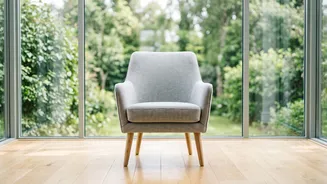
The Chair
Forward Bend, a variation of the traditional standing forward fold (Uttanasana), is a restorative posture performed while seated. This pose makes the benefits of a forward fold accessible to those who may find standing poses challenging. The primary goal is to lengthen the spine and stretch the entire back of the body, from the lower back and hips up to the shoulders and neck. It’s a calming pose designed to release tension that often accumulates from prolonged periods of sitting, making it an ideal stretch to incorporate into a workday or any daily routine. By using a chair for support, you can focus on the alignment and sensation of the stretch without worrying about balance.
The Core Benefits for Flexibility
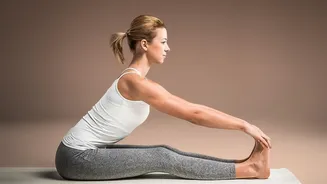
Flexibility is crucial for maintaining joint mobility and overall physical health, especially as we age. The Chair Forward Bend specifically targets key areas to enhance suppleness. It provides a deep stretch for the hamstrings and calves, which are often tight. Simultaneously, it works to lengthen the spinal column, helping to alleviate stiffness in the lower and upper back. This gentle folding motion also opens up the hips and shoulders, counteracting the hunched posture many of us adopt at a desk. Regular practice not only improves physical flexibility but also calms the nervous system, as the inward-turning nature of the pose encourages relaxation and stress relief.
A Step-by-Step Guide
To perform the Chair Forward Bend safely and effectively, follow these simple steps. Begin by sitting toward the front edge of a sturdy chair, ensuring your feet are flat on the floor, hip-width apart. Your knees should be directly over your ankles. Place your hands on your thighs. Take a deep breath in and lengthen your spine, sitting up as tall as possible. As you exhale, begin to hinge forward from your hips, not your waist, leading with your chest. Allow your upper body to fold over your thighs. Let your head and neck relax completely, and let your arms hang down towards the floor or rest on your shins. Hold the pose for 30 seconds to a minute, breathing deeply and allowing gravity to gently deepen the stretch. To come up, place your hands on your knees, inhale, and slowly roll your spine up one vertebra at a time.
Common Mistakes to Avoid
To get the most out of the pose and prevent strain, be mindful of common errors. The most frequent mistake is rounding the spine too early instead of hinging from the hips. Always try to lead with your chest to keep your back long as you fold. Another common issue is holding tension in the neck by trying to look forward. Instead, let your head hang heavy to release the neck muscles. Also, avoid forcing the stretch. The goal is not to touch the floor but to feel a comfortable release in your back and hamstrings. Finally, remember to breathe. Holding your breath creates tension, which is the opposite of what the pose aims to achieve. Your breath should be smooth and even throughout.
Modifications for Your Comfort
Chair yoga is adaptable, and the Forward Bend is no exception. If you have very tight hamstrings or a sensitive lower back, do not fold all the way down. Simply rest your forearms on your thighs and lengthen your spine from there, creating a 'half'-fold'. For those with more flexibility who can't quite reach the floor, placing yoga blocks on the floor to rest your hands on can be very helpful. If your abdomen feels compressed, you can widen the distance between your feet to create more space. For a deeper hamstring stretch, you can perform the pose with one leg extended on a second chair or a stool, using a strap around your foot to gently guide the fold.