





What Are Virtual Voice Bots?
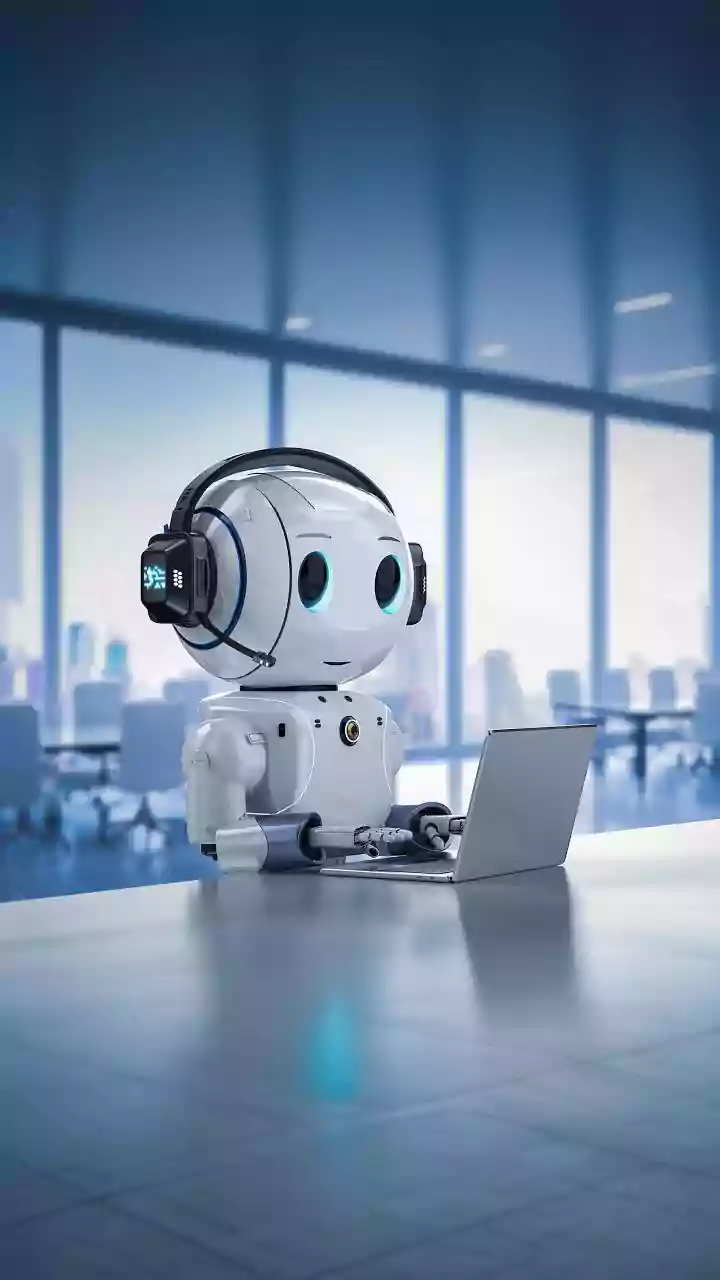
At its core, a virtual voice bot is an AI program designed to understand and respond to spoken language. Think of it as a much smarter, more interactive version of the automated voice that answers calls at your bank. Powered by Large Language Models (LLMs)—the
same technology behind tools like ChatGPT—these bots can hold surprisingly natural conversations. For language learners, this is a game-changer. They offer a judgement-free space to practise speaking and listening, helping you build confidence, improve pronunciation, and get comfortable with conversational flow without the fear of making mistakes in front of a person.
Finding the Right AI Language Partner
The landscape of AI language tools is evolving rapidly. While dedicated apps for niche Indian dialects are still emerging, many powerful and often free options can get you started. Your phone’s built-in voice assistant (like Google Assistant or Siri) is a great first step. Try changing its language setting to Hindi, Tamil, or another supported option and ask it questions or give it commands. Beyond this, look for AI chatbot platforms that have voice conversation features. Many of these now support major Indian languages, allowing you to have open-ended chats. Also, explore language-learning apps that are integrating AI-powered speaking practice into their curriculum. The key is to look for 'voice chat,' 'AI conversation,' or 'speaking practice' features.
A Reality Check on 'Free' and 'Fluent'
The headline promises fluency for free, but it's important to set realistic expectations. 'Free' in the tech world often means a 'freemium' model. Basic features may be available at no cost, but advanced capabilities, unlimited access, or specialised dialect support might require a subscription. More importantly, let's talk about 'fluency.' True fluency is about more than just correct grammar and pronunciation; it involves cultural nuance, idiom, and the ability to understand context—things a bot can't teach you. Think of these AI tools not as a magic bullet for fluency, but as an incredibly powerful simulator. They are your private gym for practising conversational muscle memory. They help you get the reps in, so you're more confident when you have a real conversation.
How to Maximise Your Practice Sessions
Simply chatting with a bot is good, but structured practice is better. Start with a goal for each session. For example, you could role-play a specific scenario, like ordering food at a restaurant or asking for directions. This focuses your vocabulary and grammar. Don't be afraid to repeat phrases until you get them right; the bot won't get bored. Pay attention to how the bot pronounces words and try to mimic it. Many tools offer real-time transcription, which is excellent for spotting where your pronunciation differs from the bot's. Finally, try to summarise a short story or describe your day in the target language. This forces you to move beyond canned phrases and construct your own sentences, which is a crucial step towards genuine conversation.
The Future of AI Tutors
What we're seeing today is just the beginning. As AI technology becomes more sophisticated and cost-effective, we can expect to see hyper-personalised language tutors. Imagine an AI that not only knows your vocabulary level but also understands that you struggle with a specific 'r' sound in Telugu or confuse two similar-sounding words in Gujarati. Future bots will offer more tailored feedback, create dynamic lesson plans based on your mistakes, and even simulate conversations with different regional accents and personalities. The goal is to create a learning experience that is as effective as having a human tutor but available 24/7, right in your pocket. The journey to mastering India’s rich linguistic diversity is about to get a whole lot more interesting.