
Know the Common Culprits
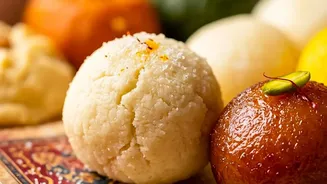
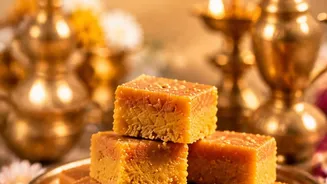
To protect yourself, it helps to know what you’re looking for. During festivals, the demand for key ingredients like khoya (milk solids), ghee, and milk skyrockets. To cut costs and increase volume, some sellers resort to adulteration. Khoya is often
bulked up with starch, flour, blotting paper, and even urea and detergent. Ghee might be mixed with cheaper vegetable oils (vanaspati) or animal fat. Unnaturally bright sweets often get their colour from non-permitted industrial dyes like Metanil Yellow, which can have toxic effects on the body. Even the glittering silver foil, or 'vark', can be fake, with toxic aluminium substituted for pure silver.
Your First Line of Defence: Visual Checks
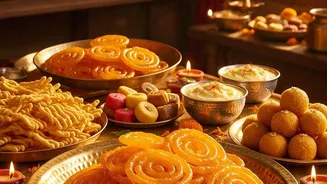
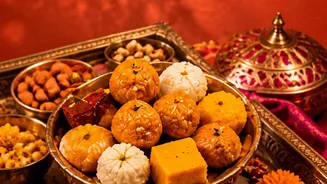
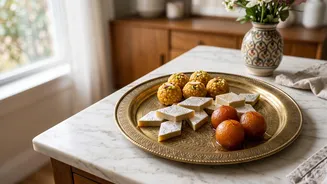
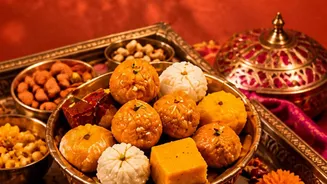
Before you buy, use your senses. Look closely at the appearance and smell of the sweets. Unnaturally bright or fluorescent yellows, oranges, and greens are a major red flag, often indicating the use of prohibited industrial dyes instead of safe, food-grade colours. Fresh, pure khoya-based sweets should have a rich, milky aroma. If a sweet smells stale, sour, or has a chemical odour, it's best to avoid it. Also, observe the shop's hygiene. FSSAI guidelines stress the importance of clean storage, with sweets protected from dust and insects and refrigerated where necessary. A clean counter is a good sign, but don't assume a fancy shop is always safer.
The Silver Vark Deception
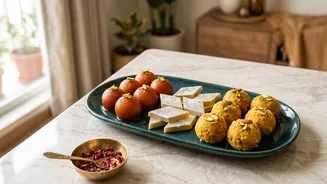
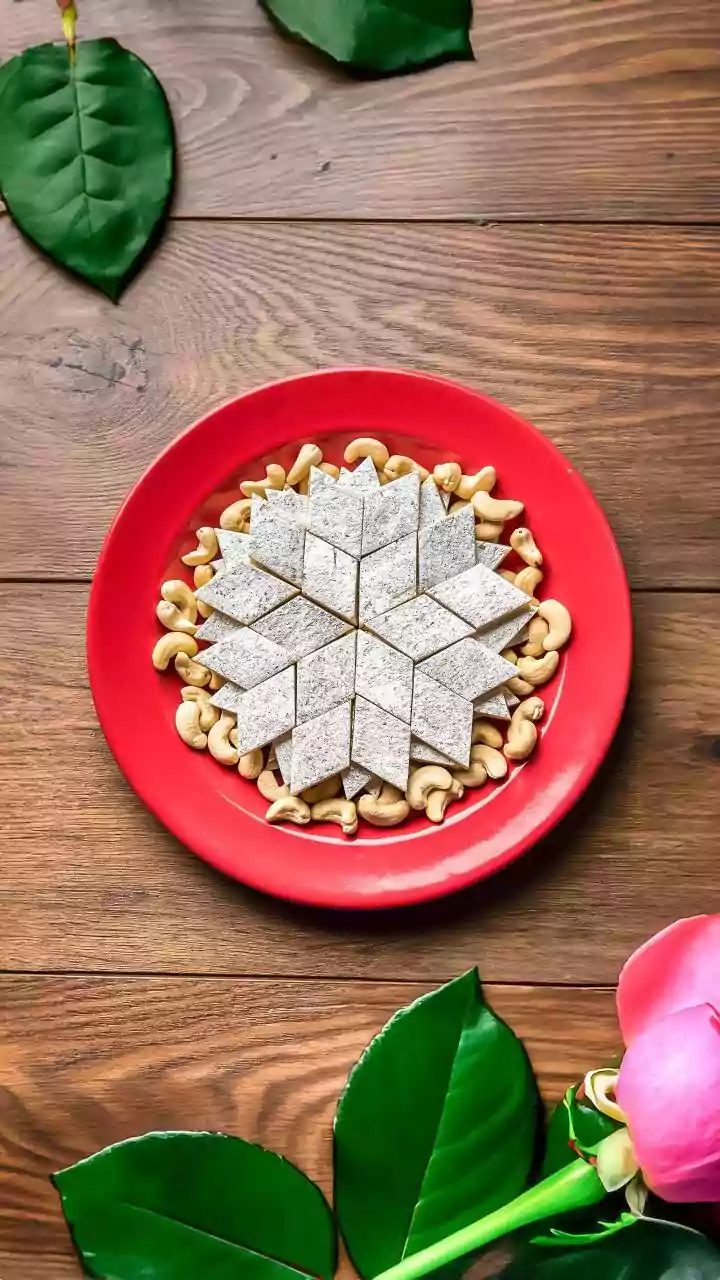
That delicate silver layer on your kaju katli or barfi deserves special attention. Often, what looks like silver 'vark' is actually industrial aluminium foil, which is toxic when ingested. Pure silver is extremely delicate, while aluminium is not. You can test it easily. Try rubbing a small piece of the foil between your fingers. Pure silver vark will disintegrate and almost disappear into your skin. Fake aluminium foil will not crumble but will instead roll into a tiny, greasy grey ball. Another test is to burn a small piece. Pure silver will burn away to form a bright, glistening ball, whereas aluminium will burn down to black ash.
Simple Home Tests for Purity
You don’t need a lab to spot some common adulterants. The FSSAI recommends several simple tests you can perform at home. To test khoya or milk products for starch, take a small sample and boil it with some water. Let it cool, then add a few drops of iodine tincture (available at most chemists). If the solution turns blue, it confirms the presence of starch. To check for detergent in milk, mix 5-10ml of milk with an equal amount of water in a bottle and shake it vigorously. Pure milk will form a thin layer of foam that settles, while milk with detergent will form a dense, thick lather, much like soap.
Smart Buying Strategies
Being a smart consumer is your best tool. Always buy from reputable vendors you trust. Look for the FSSAI license number, which should be displayed prominently in the shop or on packaged goods. This certification indicates that the seller is supposed to follow food safety standards. When buying loose sweets, ask how fresh they are. Milk-based sweets, in particular, have a short shelf life, sometimes as little as one or two days. FSSAI rules now mandate that sellers display the 'Best Before Date' for loose sweets. Pay attention to this. If a deal seems too good to be true, with unusually low prices, be cautious. It's often wiser to buy smaller quantities of high-quality sweets than to stock up on cheap ones that may be compromised.