





A Revival of Kitchen Wisdom
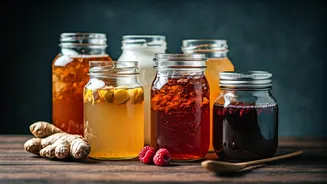
In bustling city apartments, a quiet revolution is bubbling away. Glass jars filled with colourful liquids like the deep purple of carrot kanji or the amber of kombucha are becoming a common sight. This isn't just a new-age wellness fad; it's the revival
of a tradition that grandparents swore by. Many urban households are now integrating these homemade fermented drinks into their daily routines, especially as a preventive measure during the cold and flu season. The motivation is a blend of seeking natural wellness solutions and a renewed appreciation for traditional Indian food wisdom, which has long championed fermentation for its health benefits.
What Are These Fermented Elixirs?
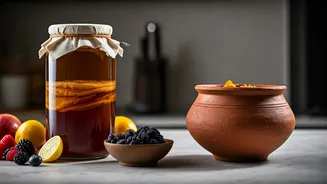
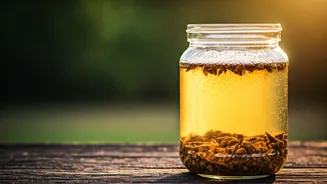
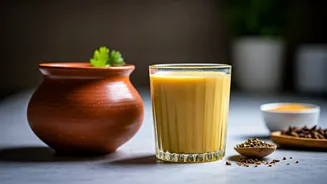
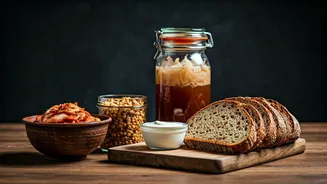
These drinks are living ecosystems of beneficial microbes. The most popular in India include Kanji, Kombucha, and Kefir. Kanji is a traditional North Indian drink, made by fermenting black carrots or beetroot with water, mustard seeds, and salt. This process creates a tangy, probiotic-rich beverage. Kombucha, which has gained global popularity, is a fermented tea made using a symbiotic culture of bacteria and yeast (SCOBY). It results in a slightly fizzy, sweet-and-sour drink. Others, like Chaas (buttermilk) and rice kanji, are simpler daily ferments that have been part of Indian diets for centuries.
The Gut-Immunity Connection
The core reason for this trend lies in the growing scientific understanding of the gut microbiome. Our gut is home to trillions of microbes that play a crucial role in our overall health, particularly our immune system. In fact, a large portion of our immune cells reside in the gut. Fermented drinks are rich in probiotics—live, beneficial bacteria that help maintain a healthy balance in our gut flora. A balanced gut microbiome helps regulate the body's immune response, making it more effective at fighting off pathogens like the viruses that cause common colds and other respiratory infections. Scientific reviews have suggested that probiotics may modestly reduce the incidence and duration of upper respiratory tract infections.
More Than Just Probiotics
The benefits aren't limited to just probiotics. The fermentation process itself enhances the nutritional profile of the ingredients. For example, Kanji made from black carrots or beets is a powerhouse of antioxidants, Vitamin A, and Vitamin C, all of which support the body's natural defences against infection. Similarly, Kombucha contains antioxidants known as polyphenols, B vitamins, and various organic acids like acetic acid, which have been shown to have antimicrobial properties that can fight against harmful bacteria. This combination of probiotics, vitamins, and antioxidants creates a potent mix that helps bolster immunity from multiple angles.
A Balanced and Mindful Approach
While these elixirs are beneficial, they are not miracle cures. Experts view them as a supportive measure within a healthy lifestyle, not a replacement for medical treatment. The effectiveness of probiotics can be strain-specific, and the microbial composition of homemade ferments can vary. Hygiene during preparation is paramount to prevent the growth of harmful bacteria. For those with certain conditions like severe gut issues, it's always wise to introduce fermented foods gradually. The goal is to supplement a balanced diet and healthy habits, providing your body with an extra layer of natural defence rather than relying on them as a sole solution for illness.