

The Enduring Reign of Mithai
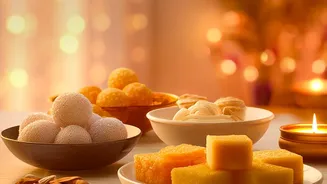
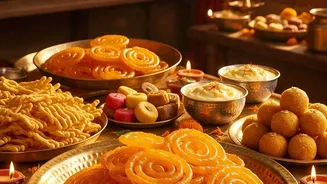
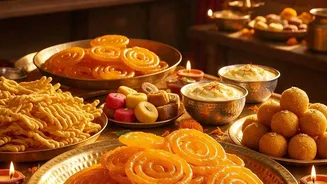
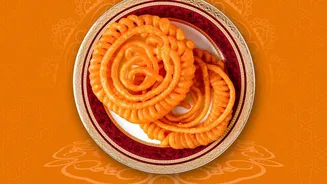
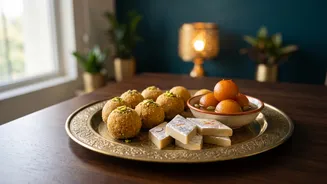
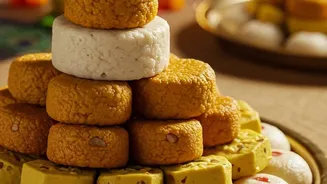
Let’s be clear: Diwali without mithai is unimaginable. Traditional sweets are the heart and soul of the festival, symbolising prosperity, happiness, and the sweetness of life. Classics like besan ladoo, kaju katli, gulab jamun, and jalebi are not just
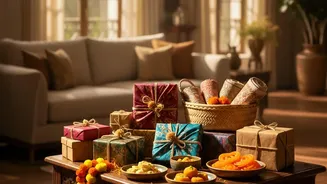
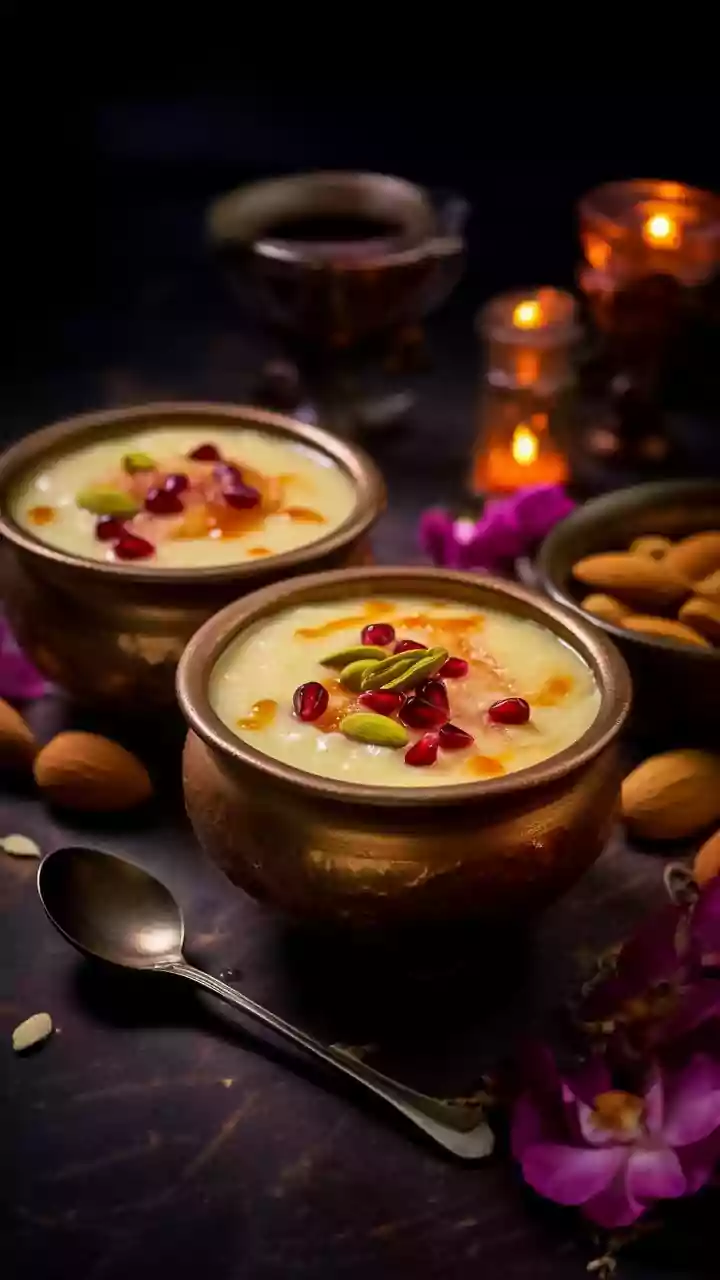
desserts; they are edible heritage. These sweets are lovingly prepared in home kitchens, exchanged in ornate boxes between friends and neighbours, and offered during puja ceremonies. Each bite is a taste of nostalgia, a connection to generations of tradition. The act of sharing mithai fosters community spirit and strengthens bonds, making it an indispensable part of the celebrations. For many, the festival is defined by these iconic sweets, each with regional variations that tell a story of local ingredients and culinary history.
The Savoury Ascent
Alongside the towering platters of sweets, a crunchy, spicy, and salty counter-movement has firmly taken root. Savoury snacks, or 'namkeen', have always been part of the festive fare, but their popularity has soared. Items like chakli (also known as murukku), mathri, samosas, and chivda (a spiced rice flake mix) are now must-haves. Why the shift? It’s partly about palate fatigue. After indulging in rich sweets, the taste buds crave something different—a salty, spicy kick to cut through the sugar. Savoury snacks offer that perfect contrast, making the overall festive spread more dynamic and satisfying for guests who may not have a strong sweet tooth. This has led to families preparing and buying an equal measure of both, ensuring there's a flavour for every preference.
A Nod to Health and Wellness
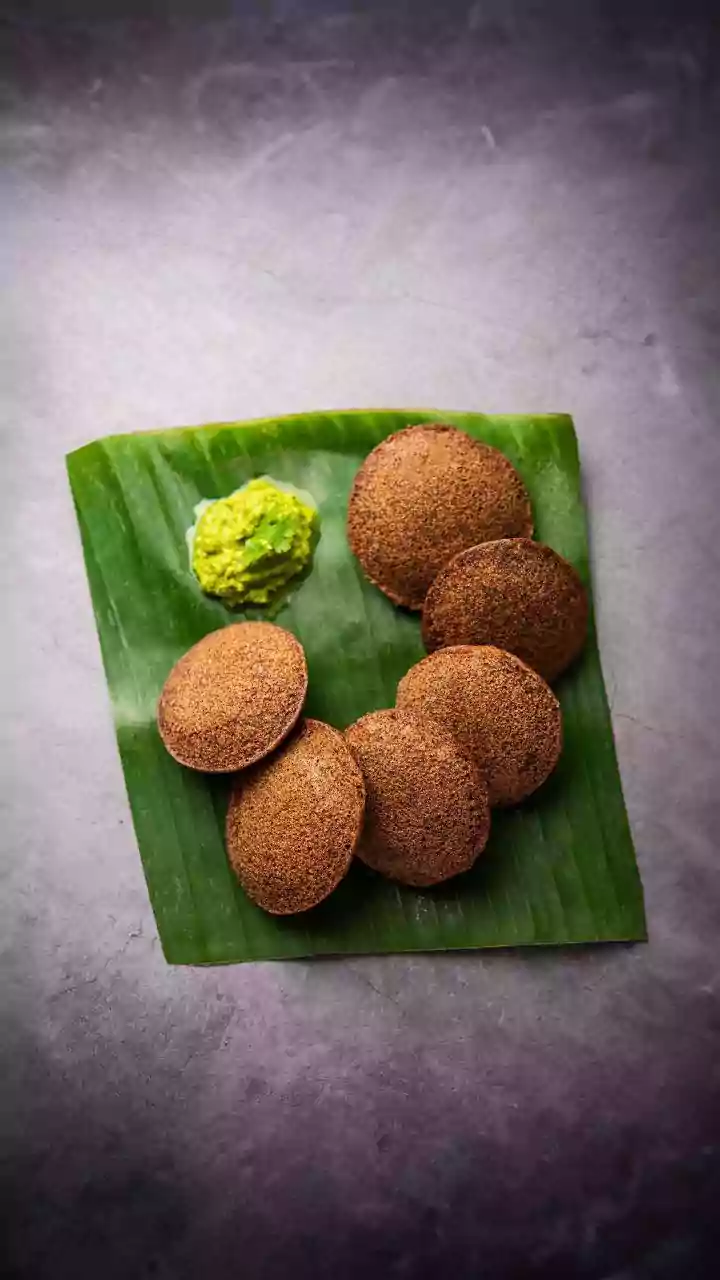
The growing emphasis on health and wellness in India has also played a significant role in this evolving food story. While Diwali is a time for indulgence, many are now seeking a more mindful approach. This has led to a surge in healthier snacking options that don't compromise on flavour. Instead of deep-frying, families are turning to baking or air-frying their favourite snacks like samosas and chaklis. There's a creative wave of recipes using whole-grain flours like millet or oats instead of refined flour. Even traditional mithai is getting a healthy makeover, with refined sugar being swapped for natural sweeteners like jaggery, dates, or figs. This conscious shift allows families to enjoy the festive spirit guilt-free, balancing tradition with modern health sensibilities.
The Art of the Perfect Balance
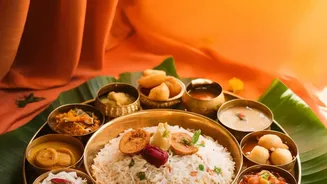
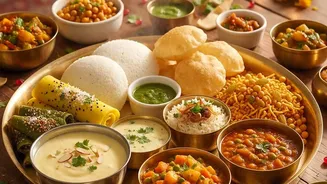
Creating the perfect Diwali platter in 2026 is an art of curation. It’s about creating a symphony of flavours and textures that feels both generous and balanced. Hosts are now thoughtfully assembling platters that feature a colourful mix: a couple of classic mithai, one or two innovative fusion desserts, a crunchy baked namkeen, and perhaps a tangy chaat. Grazing boards featuring an assortment of papdis, chutneys, sprouts, and yogurt are becoming popular for parties, allowing guests to assemble their own bites. This approach is less about replacing mithai and more about complementing it. The goal is to build a more inclusive and interesting menu that caters to diverse tastes, from children drawn to chocolate barfi to elders who might prefer a light, roasted snack.