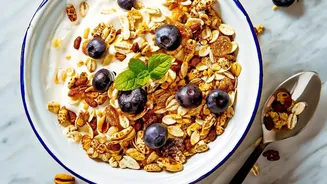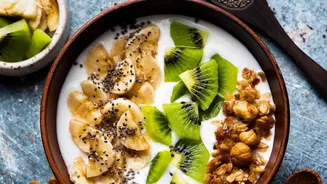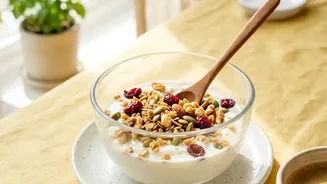


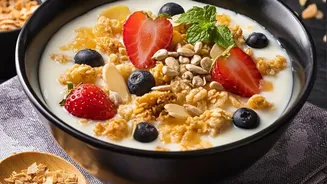
Starting the day with a balanced breakfast is crucial for managing diabetes. A simple bowl of plain curd can be a fantastic, low-glycemic foundation. Elevating it with the right seeds can turn it into a powerhouse of nutrients.
The Power of a Probiotic Base
Plain curd, or dahi, is
a staple in many Indian households for good reason. It's a low-glycemic food, meaning it releases sugar into the bloodstream slowly, preventing sharp spikes. Rich in protein and probiotics, curd aids digestion and can improve the body's sensitivity to insulin. The protein helps slow down carbohydrate absorption from other foods, promoting stable blood sugar levels after a meal. This makes it an ideal, creamy canvas for adding nutrient-dense toppings that further support diabetes management.
1. Chia Seeds: The Fibre Powerhouse
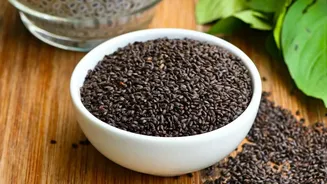
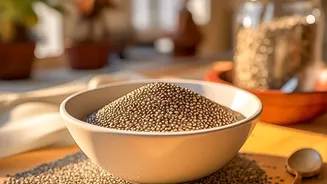
These tiny black seeds are exceptionally rich in soluble fibre, which is a game-changer for blood sugar control. When mixed with a liquid like curd, chia seeds form a gel-like substance. This process slows down digestion, leading to a gradual release of glucose into the bloodstream and preventing post-meal sugar spikes. A typical serving also provides a healthy dose of omega-3 fatty acids, protein, and minerals like magnesium, which is vital for insulin function. Simply sprinkle one or two tablespoons of raw or soaked chia seeds into your curd for a filling and stabilising start to your day.
2. Flaxseeds: For Heart and Sugar Health
Flaxseeds, or 'alsi', are celebrated for their high content of fibre, lignans (a type of antioxidant), and alpha-linolenic acid (ALA), a plant-based omega-3 fatty acid. This powerful combination may help improve insulin sensitivity and protect heart health, a key concern for individuals with diabetes. Studies have shown that regular consumption of flaxseed can lead to modest reductions in fasting blood sugar levels. To unlock their full benefits, it is best to consume flaxseeds ground. Add a tablespoon of ground flaxseed to your curd to boost your intake of heart-healthy fats and blood-sugar-stabilising fibre.
3. Pumpkin Seeds: The Magnesium Boost
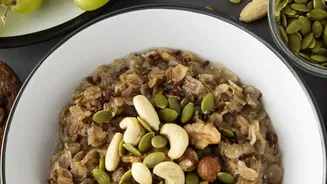
Pumpkin seeds, or pepitas, are a fantastic source of magnesium, a mineral that plays a crucial role in over 600 chemical reactions in the body, including the regulation of blood sugar levels and insulin action. Many people do not get enough magnesium, and a deficiency is linked to insulin resistance. These seeds are also packed with healthy fats, protein, and fibre, which work together to promote satiety and prevent sharp glucose fluctuations. Enjoying a handful of raw or dry-roasted pumpkin seeds with your curd provides a satisfying crunch and a wealth of nutrients.
4. Sunflower Seeds: Rich in Healthy Fats
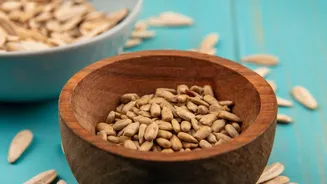
With their mild, nutty flavour, sunflower seeds are more than just a simple snack. They are low in carbohydrates and rich in healthy fats, protein, and vitamin E, a powerful antioxidant. The combination of fat and protein helps slow down digestion, contributing to more stable blood sugar levels after a meal. Some plant compounds found in sunflower seeds, like chlorogenic acid, may also play a role in blood sugar regulation. Opt for unsalted sunflower seeds to avoid unnecessary sodium and sprinkle them over your curd for added texture and nutrients.
5. Sesame Seeds: A Source of Lignans
Sesame seeds, or 'til', have been used in traditional medicine for centuries. They are a great source of healthy fats, protein, fibre, and unique compounds called lignans, such as sesamin. Research suggests these compounds can help improve insulin sensitivity and reduce inflammation. Some studies have shown that sesame consumption can lead to improvements in fasting blood sugar and HbA1c levels. Additionally, a compound in sesame seeds called pinoresinol may help slow the breakdown of certain sugars during digestion. Add a tablespoon of toasted or raw sesame seeds to your curd for a distinctive flavour and a metabolic boost.