






Start with Official Sources
Your first and most reliable port of call should always be the India Meteorological Department (IMD). As the government's official agency, its forecasts are tailored for the Indian subcontinent. The IMD uses a simple colour-coded alert system to warn
the public. 'Green' means all is well, 'Yellow' is a call to 'Be Aware' of potential bad weather, 'Orange' warns you to 'Be Prepared' for disruptions in transport and power, and 'Red' is the most serious, urging you to 'Take Action' due to a significant risk to life and property. These alerts are available on the IMD's website (mausam.imd.gov.in) and its official mobile app, 'MAUSAM', which offers forecasts, radar images, and proactive warnings.
Leverage Smart Weather Apps
Beyond official channels, a host of third-party apps can provide valuable, user-friendly forecasts. Apps like AccuWeather and The Weather Channel are popular globally and offer strong performance in Indian cities, often providing minute-by-minute precipitation updates. For a more India-centric option, Skymet Weather is a highly regarded private forecasting agency that uses a vast network of automatic weather stations across the country. It provides detailed forecasts and analysis, especially regarding the monsoon. For specific threats, the government's 'Damini' app gives alerts for lightning strikes, a serious hazard during thunderstorms. Having a combination of these apps allows you to cross-reference information for a more complete picture.
Check Real-Time Ground Conditions
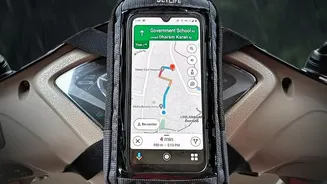
A weather forecast is only one part of the story; real-time ground conditions are just as important, especially for road trips. Flooding and landslides are major risks. Use Google Maps with the traffic layer enabled to spot slowdowns that might indicate waterlogging or blockages. Social media, particularly X (formerly Twitter), can be invaluable. Follow the official accounts of local traffic police and district administrations in your destination, as they often post live updates on road closures. For major routes, the National Highways Authority of India (NHAI) has a helpline (1033) for information on highway conditions. These tools help you understand the situation on the ground before you get behind the wheel.
Don't Underestimate Local Intel
Technology is great, but it can’t replace local knowledge. Before finalising your booking, take the simple step of calling your hotel or resort directly. Ask them about the current weather, road access to their property, and if they've experienced any recent disruptions. Local staff will have the most current and practical information, far more specific than a regional forecast. You can ask if nearby streams are swelling, if access roads are clear, or if recent guests have faced any travel issues. This simple five-minute call can provide peace of mind or save you from a major travel headache.
Understand Your Destination’s Unique Risks
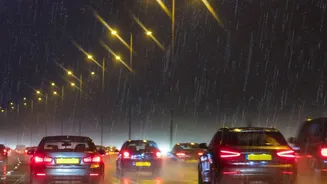
Monsoon risks are not uniform across India. A trip to the Himalayan states like Himachal Pradesh or Uttarakhand carries a significant risk of landslides, which can close roads for days. If you're heading to coastal areas like Goa or Kerala, the concern might be more about high tides, rough seas, and flooded coastal roads. In major cities such as Mumbai, Delhi, or Bengaluru, the primary issue is often severe waterlogging that brings traffic to a standstill. Before you book, research the specific monsoon challenges of your chosen destination. This allows you to pack appropriately, plan a flexible itinerary, and know what warning signs to look out for, ensuring you are prepared for the local conditions.
Review Booking Policies and Insurance
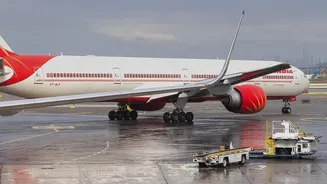
The final step before paying is to protect your investment. Carefully read the cancellation and refund policies for your flights and hotels. Many budget options are non-refundable, which can be a costly gamble during the unpredictable monsoon season. Look for flexible booking options that allow for last-minute changes. Furthermore, consider purchasing travel insurance. Many policies offer coverage for trip cancellations or delays caused by severe weather events or natural disasters. This provides a financial safety net, ensuring you don't lose all your money if a red alert forces you to cancel your plans. Always read the policy details to understand what specific weather-related events are covered.