




The Renaissance Cradle: Florence, Italy
Often called an open-air museum, Florence's historic center is a dream for walkers. The entire UNESCO-listed district is compact, with most of its iconic Renaissance landmarks within a short stroll of one another. You can start your day admiring Brunelleschi's
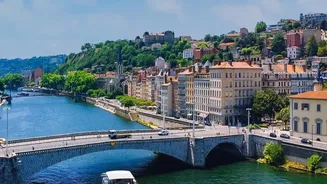
dome at the Cathedral of Santa Maria del Fiore, wander over to the Piazza della Signoria, and cross the famous Ponte Vecchio without ever needing a taxi. The city center has a restricted traffic zone (ZTL), which makes large portions of it exceptionally pedestrian-friendly. Exploring on foot allows you to appreciate the details that define Florence, from family crests carved into stone walls to the quiet artisan workshops of the Oltrarno neighborhood, where craftspeople have worked for generations.
The Fairytale Capital: Prague, Czech Republic
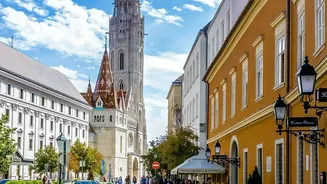
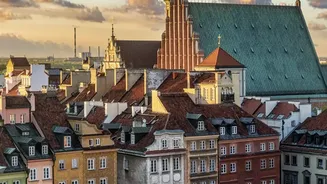
Prague's historical heart feels like it was plucked from a storybook, and its layout is perfectly suited for exploration on foot. The journey through the Old Town (Staré Město) is a walk through a thousand years of architecture, from Gothic spires to Art Nouveau facades. Starting from the dramatic Old Town Square with its famous Astronomical Clock, you can meander through a labyrinth of picturesque streets leading to the iconic Charles Bridge. Most of the core is flat and largely pedestrianized, allowing for leisurely strolls. Crossing the bridge takes you to the charming Malá Strana (Lesser Town), from where you can ascend to the Prague Castle complex for breathtaking city views. Comfortable shoes are a must for the cobblestones, but the rewards are endless discoveries.
The Medieval Time Capsule: Bruges, Belgium
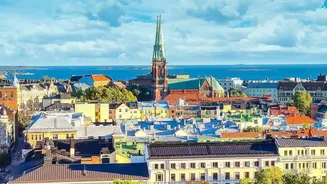
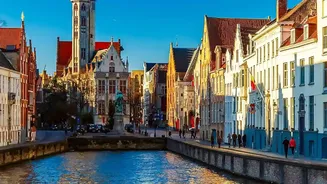
Often called the 'Venice of the North', Bruges is a city where time seems to have slowed down. Its historic center, a UNESCO World Heritage site, has retained its medieval street layout, making it exceptionally walkable. The heart of the city, the Markt Square, is dominated by the soaring Belfry tower, which you can climb for panoramic views. From there, it’s easy to get lost in a delightful way, wandering along serene canals, crossing ancient stone bridges, and stumbling upon quiet courtyards. The city center is almost entirely free of cars, enhancing the peaceful, romantic atmosphere, especially in the evening when the historic buildings are beautifully illuminated.
The Adriatic Pearl: Dubrovnik, Croatia
Encased within formidable stone walls, the Old Town of Dubrovnik is a masterpiece of medieval planning and is completely pedestrian-only. As you enter through the Pile Gate, you're greeted by the Stradun, the town's main limestone promenade, which shines underfoot from centuries of footsteps. All the major sights—from the Rector's Palace to the Franciscan Monastery—are concentrated within this compact, walled area. While the main street is flat, be prepared for stone stairways that climb steeply up the hillside, leading to hidden lanes and residential quarters. A walk along the city walls themselves is an unforgettable experience, offering stunning views of the terracotta rooftops and the sparkling Adriatic Sea.
The Soulful Maze: Lisbon, Portugal
Lisbon’s oldest district, Alfama, is a captivating labyrinth of steep, narrow streets, winding alleys, and hidden staircases that survived the great earthquake of 1755. This is not a district for grid-based navigation; it’s a place to wander and get wonderfully lost. The best approach is to take a taxi or the famous Tram 28 up to a high point, like the Castelo de São Jorge or the Miradouro das Portas do Sol viewpoint, and make your way down on foot. As you descend, you’ll pass tiled facades, hear the soulful sounds of Fado music drifting from small taverns, and catch breathtaking glimpses of the Tagus River. It's a walk that engages all the senses and reveals the authentic heart of Lisbon.