






The Unseen Threat in Waterlogged Streets
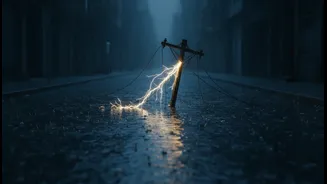
Murky, stagnant water on city streets can easily become electrified. The risk doesn't just come from dramatic, sparking downed power lines. Ageing underground cables, submerged electrical junction boxes, faulty streetlights, and tilted electric poles
can all leak current into the surrounding water. Because this water is filled with impurities, it becomes an excellent conductor, spreading the electrical charge over a wide area. A person doesn't need to touch the source directly; simply wading through an energized patch of water can lead to severe electric shock or electrocution. Recent incidents across cities like Nagpur and Ghaziabad highlight this tragic reality, where individuals have lost their lives simply by walking through flooded areas.
A Commuter's Guide to Monsoon Safety
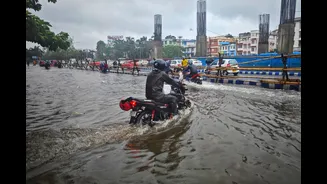
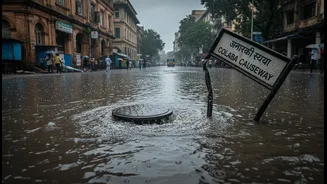
The single most important rule is to avoid walking or driving through waterlogged streets whenever possible. Six inches of moving water is enough to knock a person off their feet, and it's impossible to see hazards like open manholes or hidden electrical sources. If you must travel, be hyper-aware of your surroundings. Stay clear of all electrical infrastructure, including poles, transformers, and stay wires. If you see a downed power line, maintain a significant distance, warn others, and report it to the local electricity board immediately. When travelling by boat in a flooded area, be mindful that the higher water level brings you closer to overhead power lines. Never assume a path is safe just because others are using it.
Fortifying Your Home: A Pre-Monsoon Checklist
Proactive checks at home can prevent a disaster. Before the rains intensify, get a licensed electrician to inspect your home’s wiring, especially looking for old, frayed, or exposed cables. Ensure your house has proper earthing and functioning safety devices like a Residual Current Circuit Breaker (RCCB) or Earth Leakage Circuit Breaker (ELCB), which are designed to cut off power instantly in case of a fault. Check for any water leakage on walls near electrical panels or switchboards. Inside the home, never touch switches with wet hands. During a thunderstorm, it's wise to unplug non-essential electronics to protect them from power surges caused by lightning.
When Water Enters Your Home
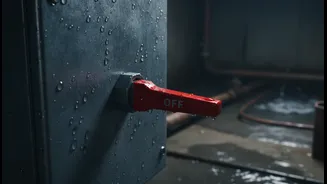
If floodwater is about to enter your home, and you can do so safely without standing in water, turn off the main power supply at your breaker box. If water has already entered and is near electrical outlets or your breaker box, do not touch anything. Call your electricity provider to have them shut off the power at the meter. Do not enter a flooded basement or room if you hear buzzing or see sparks. Any appliances that have come into contact with water must be thoroughly inspected by a professional before being used again. Even after the water recedes, do not restore power yourself; always have a qualified electrician certify that the system is safe first.
Emergency Response: What to Do
If you witness someone collapse in a waterlogged area and suspect electrocution, do not rush in to help, as the water is likely still energized. Your first priority is to eliminate the power source. Try to alert authorities to shut down the local grid. Once the area is confirmed to be safe, the person can be moved. If you are in a building that is flooding, evacuate immediately if it is safe to do so. If you smell gas, which can be another hazard as floodwaters can damage gas lines, leave immediately on foot without using any electrical switches or your phone, and call for help from a safe distance.