
The Foundation: Sattu and Sprouts
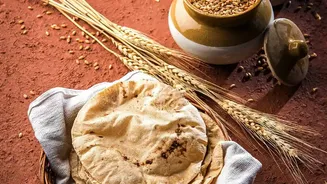
Before we start adding ingredients, it's good to know our base. Sattu, a flour made from roasted Bengal gram (chana), is a protein and fibre-rich food common in Northern India. Depending on the type, 100 grams of chana sattu can contain around 20-22 grams of protein.
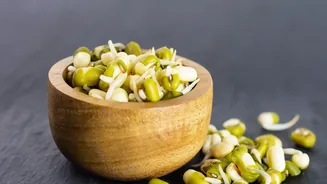
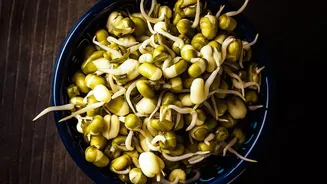
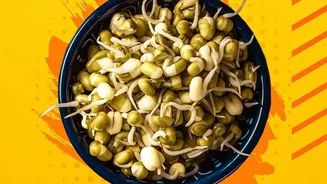
Sprouted legumes, such as moong, chana, or moth beans, are also nutritional dynamos. The sprouting process not only makes them easier to digest but can also slightly increase their protein concentration. For instance, 100 grams of sprouted chana offers about 7 grams of protein, while moth bean (matki) sprouts provide nearly 9.5 grams. These foods are excellent starting points, but with a few smart additions, you can turn a simple snack into a substantial, protein-packed meal.
Power Up with Nuts and Seeds
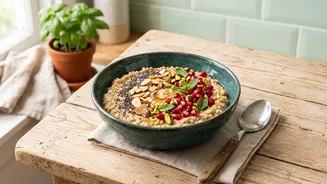
One of the easiest ways to boost protein is by adding a spoonful of nuts and seeds. They not only add a satisfying crunch but also contribute healthy fats and protein. For your sattu drink or porridge, consider mixing in a tablespoon of almond powder, ground peanuts, or a seed mix. Chia, flax, pumpkin, and sunflower seeds are all excellent choices. For sprouted legume bowls, a garnish of toasted almonds, walnuts, or roasted pumpkin seeds works wonders. A tablespoon of chia seeds or flaxseeds can be stirred directly into a sattu drink or sprinkled over a sprout salad, adding 2-3 grams of protein almost instantly.
Incorporate Dairy or Plant-Based Alternatives
Making your sattu drink with milk or curd (dahi) instead of water is a simple switch that significantly increases its protein content. A glass of milk adds around 8 grams of protein, while a cup of curd can add up to 11 grams. For a savoury sprout bowl, adding cubes of fresh paneer is a classic move that can add over 18 grams of protein per 100g serving. If you follow a vegan diet, crumbled tofu is an excellent substitute, providing about 17 grams of protein per 100g. Making a sattu smoothie with almond milk and a scoop of peanut butter can also create a filling, high-protein beverage ideal for a post-workout meal.
Mix in Complementary Grains and Pulses
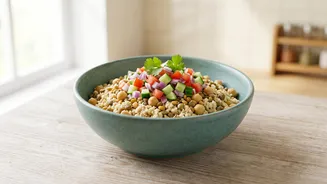
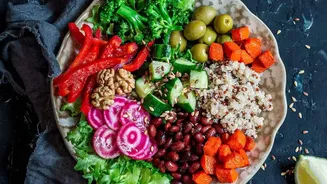
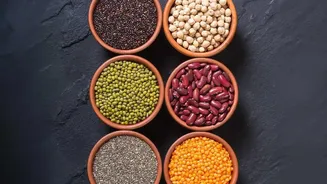
To make your bowls more nutritionally complete, consider adding other grains or pulses. For sattu-based dishes like porridge or chilla, mixing in some powdered oats not only improves the texture but also adds fibre and a small amount of protein. You could also try adding amaranth (rajgira) flour, which is another high-protein grain. When preparing a sprouted legume bowl, you can enhance it by adding other cooked pulses like chickpeas or kidney beans for varied texture and a bigger protein hit. Combining different legumes and grains helps ensure you get a wider range of amino acids, making the protein more complete.
Get Creative with Your Combinations
Think beyond the basic preparations. A savoury sattu and sprout chilla or pancake is a fantastic breakfast option that combines the power of both. You can make a stuffing for parathas using sattu and finely chopped sprouts for a hearty and filling meal. For a quick lunch, toss your sprouted moong salad with crumbled paneer, a handful of roasted chana, and a sprinkle of sunflower seeds. For your sattu drink, blending it with a banana, a splash of milk, and a spoonful of seed powder turns it from a simple cooler into a complete mini-meal. The goal is to layer these protein sources in a way that is both delicious and functional.