





The Journey of the Gods
At its heart, the Rath Yatra, or Chariot Festival, is a grand enactment of a divine journey. It commemorates the annual trip of Lord Jagannath, his elder brother Lord Balabhadra, and younger sister Devi Subhadra from their home in the main Jagannath Temple
to the Gundicha Temple, believed to be their aunt's residence. This nine-day sojourn is not a quiet affair. It is a spectacle of faith, a moment when the deities, typically cloistered within the temple's sanctum sanctorum, emerge to see and be seen by all, irrespective of caste, creed, or status. The journey itself, covering a distance of about three kilometres in Puri, Odisha, becomes a pilgrimage for the millions who gather to witness it.
Chariots as Mobile Temples
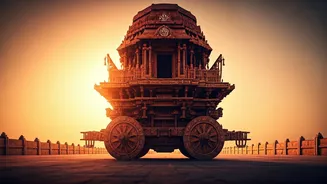
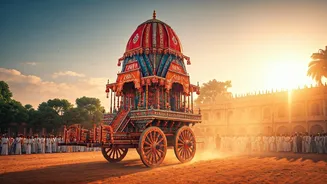
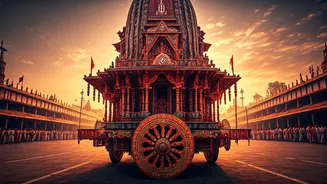
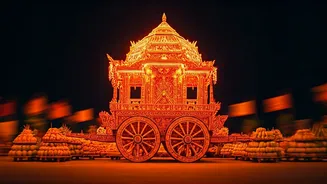
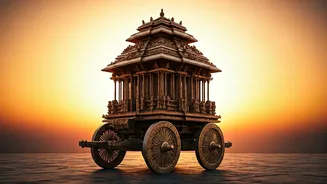
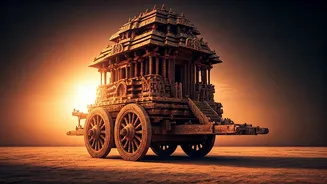
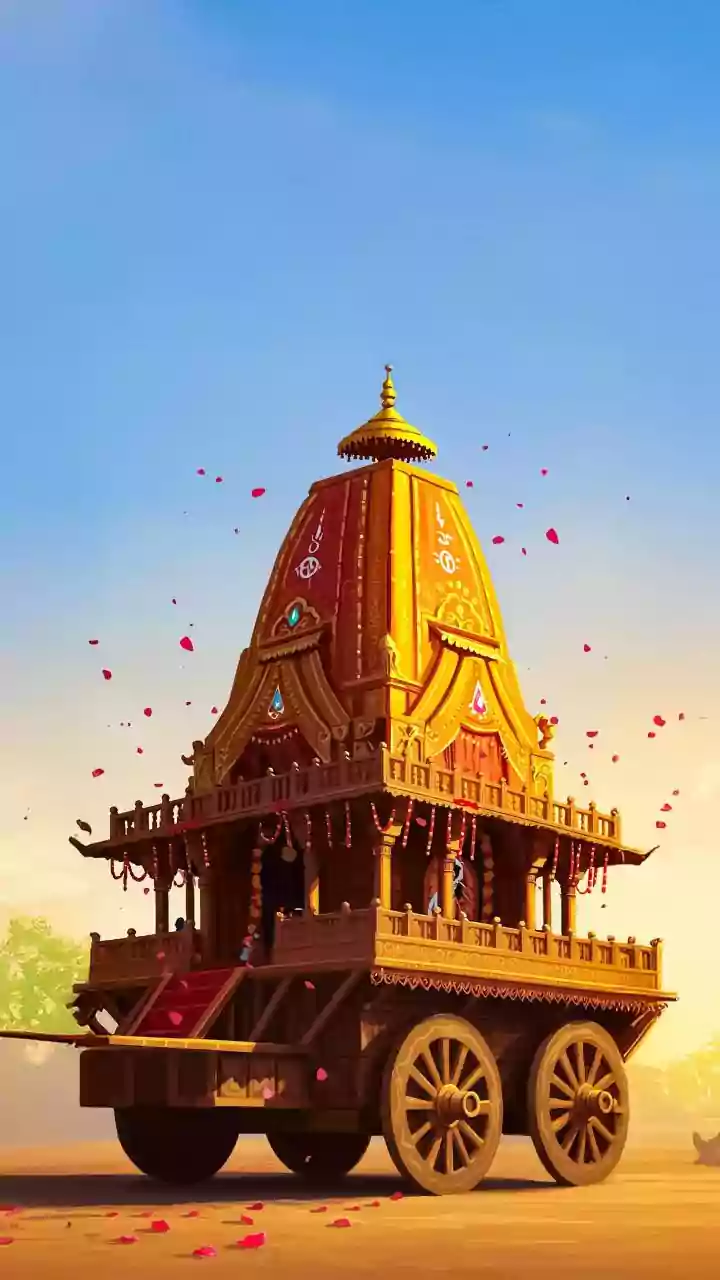
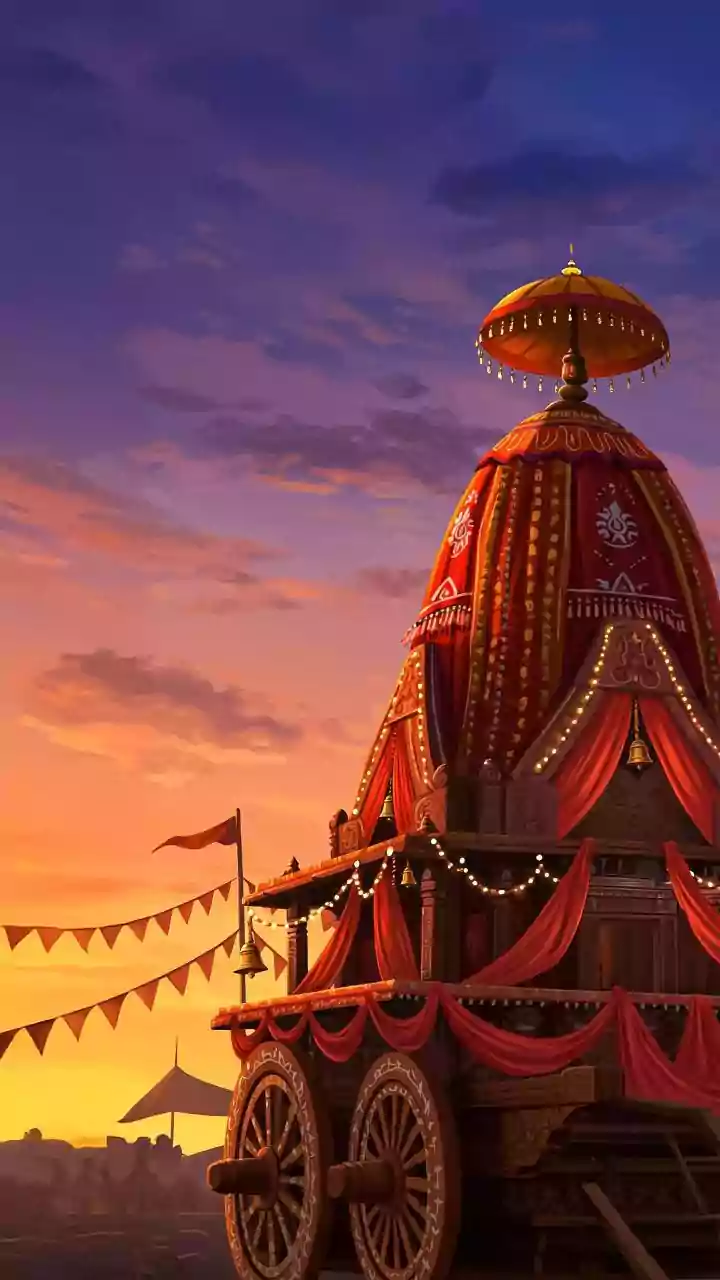
The chariots themselves are masterpieces of sacred engineering and artistry, constructed anew each year from specified types of wood. Lord Jagannath’s chariot, Nandighosha, stands tall at about 45 feet, distinguished by its red and yellow canopy. Lord Balabhadra’s chariot, Taladhwaja, is covered in red and green cloth, while Devi Subhadra’s Darpadalana is draped in red and black. These are not mere vehicles; they are mobile temples, each with its own designated priests, protectors, and divine insignias. The construction process begins on Akshaya Tritiya and involves a team of traditional carpenters and artisans whose skills have been passed down through generations. To lay a hand on the ropes used to pull these chariots is considered an act of immense piety, a direct connection to the divine.
The Performance of Bhakti
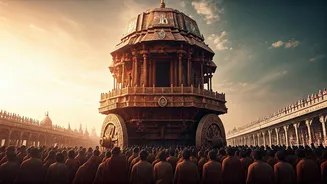
The headline's observation is astute: Rath Yatra provides a public stage for devotion. Here, the personal, internal feeling of *bhakti* (devotion) is expressed externally, collectively, and performatively. It is seen in the tear-filled eyes of an elderly devotee, the ecstatic dancing of a kirtan group, and the raw physical effort of the crowd pulling the heavy chariots. This public display is not for show; it is an essential part of the worship. The festival creates a space where religious fervour is not just permitted but celebrated on a massive scale. The energy is palpable—a powerful current of shared belief that sweeps everyone along, turning individual prayers into a collective roar of 'Jai Jagannath!'
A King's Service
One of the most profound rituals of the Rath Yatra is the Chhera Panhara. During this ceremony, the Gajapati Maharaja, the titular king of Puri, sweeps the platforms of the three chariots with a golden-handled broom and sprinkles sandalwood-scented water before the procession begins. This symbolic act of service demonstrates a core tenet of the Jagannath cult: that in the eyes of the Lord, there is no difference between a king and a commoner. The king performing the duty of a humble sweeper is a powerful statement of humility and social equality. It reinforces the idea that the highest form of devotion is selfless service, a message that resonates deeply with the gathered devotees.