



Why Choose Natural Solutions?
Choosing natural or organic pest control is not just a trend; it's a smart choice for home environments. Chemical pesticides can leave harmful residues on your plants and in the soil, posing a risk to children, pets, and even the beneficial insects that
help your garden thrive. Natural remedies, on the other hand, are often biodegradable and specifically target common pests without causing widespread environmental harm. By opting for homemade sprays, you know exactly what you're putting on your plants—many of which might be herbs or vegetables you plan to consume. This approach ensures your balcony remains a safe, healthy, and truly green space for everyone in your household.
The Neem Oil Miracle
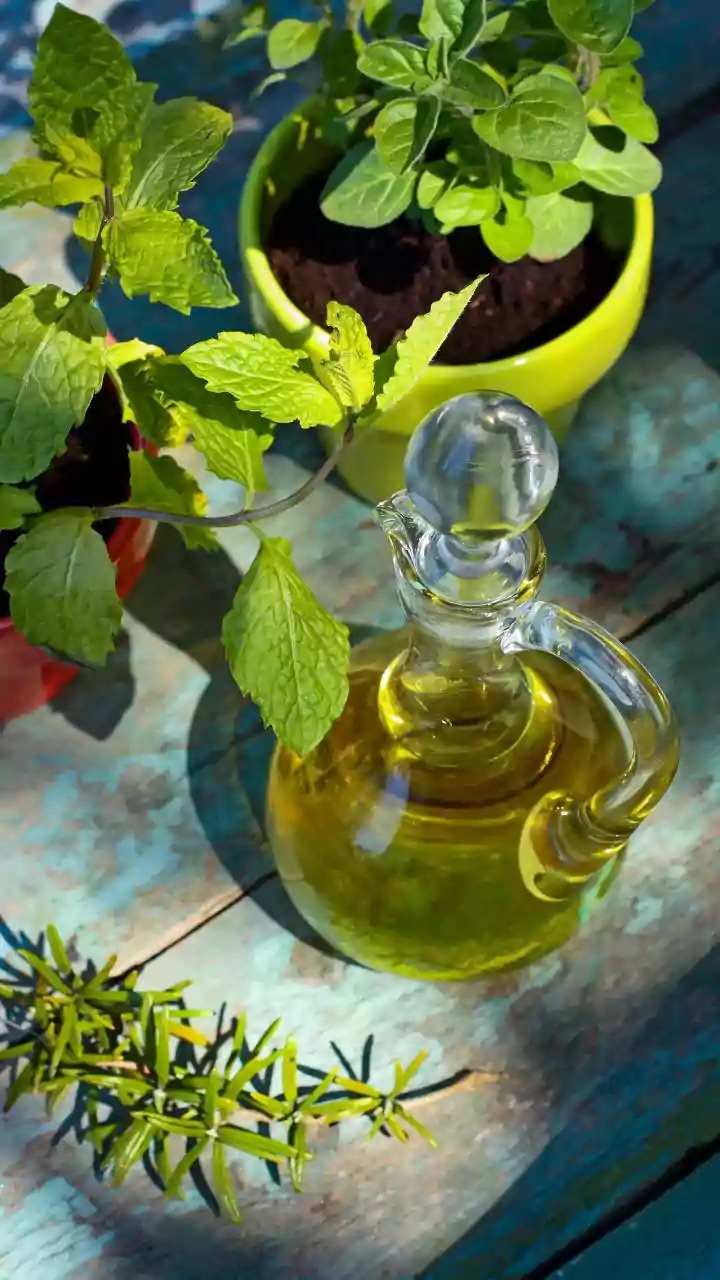
Neem oil, extracted from the seeds of the Indian neem tree, is a powerhouse of organic gardening. Its primary active compound, Azadirachtin, works wonders by disrupting the life cycle of over 200 species of insects, including common balcony pests like aphids, mealybugs, spider mites, and whiteflies. It acts as a repellent, stops pests from feeding, and hinders their ability to grow and reproduce. To create your own spray, mix 5 ml (1 teaspoon) of pure, cold-pressed neem oil with 1 litre of water. Since oil and water don't mix, add about 2 ml (1/2 teaspoon) of a gentle liquid soap or castile soap to act as an emulsifier. Shake the solution vigorously in a spray bottle. The best time to spray is in the evening or early morning, as direct sunlight on freshly sprayed leaves can cause them to burn. Always do a patch test on a single leaf 24 hours before spraying the entire plant to ensure it's not too sensitive. For active infestations, apply every 7 days.
Simple And Effective Soapy Water
One of the simplest yet most effective pest control hacks uses just soap and water. This solution is particularly good for soft-bodied insects like aphids and mealybugs. The soap works by breaking down the insect's protective outer layer, causing dehydration. It's crucial, however, to use the right kind of soap. Avoid harsh dishwashing detergents that contain degreasers, bleach, or strong fragrances, as these can strip the natural protective waxes from plant leaves and cause damage. Instead, opt for a mild, biodegradable liquid soap like castile soap. A safe ratio is to mix one to two teaspoons of mild liquid soap into one litre of water. Pour it into a spray bottle and apply directly onto pests, making sure to cover the undersides of leaves where they often hide. Unlike neem oil, this spray has no residual effect, meaning it only works on contact. It's best applied in the cooler hours of the day.
More Kitchen Cabinet Hacks
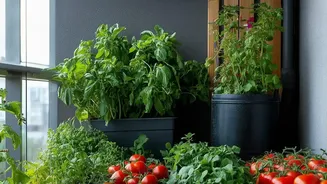
Your kitchen holds other potential weapons in the fight against pests. A garlic and chilli spray can be a potent repellent for a variety of insects. You can make it by blending a few cloves of garlic and some hot chillies with water, straining the mixture, and then diluting it further before spraying. Another useful item is turmeric, known for its antifungal and antibacterial properties, which can be lightly sprinkled on the soil to deter pests and prevent fungal growth. For larger pests like caterpillars, sometimes the best method is simple physical removal. A daily inspection of your plants allows you to catch problems early. Companion planting is also a fantastic preventative strategy. Placing pots of marigold, mint, basil, or lemongrass on your balcony can naturally repel pests like mosquitoes, flies, and aphids while adding more beauty and fragrance to your space.