





So, Will You Pay More at Checkout?
Let's get straight to the point: for the vast majority of people, the answer is no. You will not pay an extra fee for your regular UPI transactions. The government and the National Payments Corporation of India (NPCI) have been very clear that person-to-person
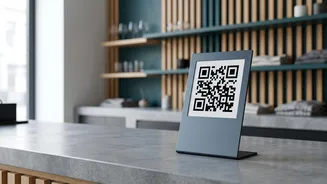
(P2P) payments, like sending money to a friend, and most person-to-merchant (P2M) payments remain free for the customer. If you scan a QR code at a shop to pay for groceries or a coffee, the amount you enter is the amount that will be deducted from your bank account. The new rules do not add a customer-facing fee to these everyday transactions.
What Are the New Fee Rules, Then?
The change is the introduction of a Merchant Discount Rate, or MDR. This is not a fee for customers but a charge that certain merchants will have to pay for processing some UPI payments. Specifically, from October 15, 2026, an MDR of 0.4% will apply to eligible merchant transactions over ₹2,000. For very large transactions of ₹75,000 or more, this fee is capped at a maximum of ₹300. So, if an eligible merchant receives a UPI payment of ₹3,000, they would pay a fee of ₹12 to the payment ecosystem. The customer still only pays ₹3,000.
Who Does This Fee Actually Affect?
This MDR is a charge levied on the merchant, not the consumer. The fee is intended to be absorbed by the business as a cost of processing digital payments. However, not all merchants are affected. The rules specifically exempt small merchants. For example, small vendors who receive up to ₹1 lakh per month via UPI QR codes will continue to have zero MDR. The government states that these changes will not affect over 95% of all merchant transactions, as most fall below the ₹2,000 threshold. The fee primarily impacts larger businesses that process high-value UPI transactions.
Bank Account UPI vs. Wallet UPI
A crucial detail in the discussion around UPI fees is the difference between paying directly from your bank account versus using a wallet, also known as a Prepaid Payment Instrument (PPI). When you use an app like Google Pay or PhonePe and the money is debited directly from your linked bank account, it is a standard bank-to-bank UPI transaction, which remains free for you. A wallet, such as a Paytm Wallet, is a digital pocket where you load money first and then spend from that balance. The new interchange fees, which were first outlined in 2023 and form the basis of the current MDR structure, specifically targeted these PPI-based merchant transactions to create a sustainable revenue model for wallet issuers.
Why Were These Changes Made?
For years, UPI transactions have been free for both users and merchants, a policy that massively drove digital payment adoption across India. However, running this enormous infrastructure—which includes servers, cybersecurity, and constant innovation—costs money. Banks and payment service providers have been absorbing these costs. The introduction of a nominal MDR on certain high-value transactions is designed to create a self-sustaining financial model for the UPI ecosystem. This ensures that the platform can continue to operate securely and expand its services, particularly in rural and semi-urban areas, without relying solely on government subsidies.
Could Merchants Pass the Cost to You?
This is a valid concern. While the NPCI has forbidden merchants from passing the MDR on to customers, some worry that businesses with thin margins might eventually factor this cost into their product pricing. However, the 0.4% fee is still significantly lower than the MDR for credit card payments, which can range from 1.5% to 2.5%. For now, the government has stated that customers should not be charged any extra fee at checkout. The focus remains on ensuring that digital payments continue to be an accessible and low-cost option for everyone.