





The Spreading White Menace
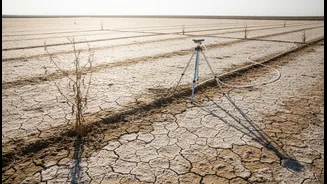
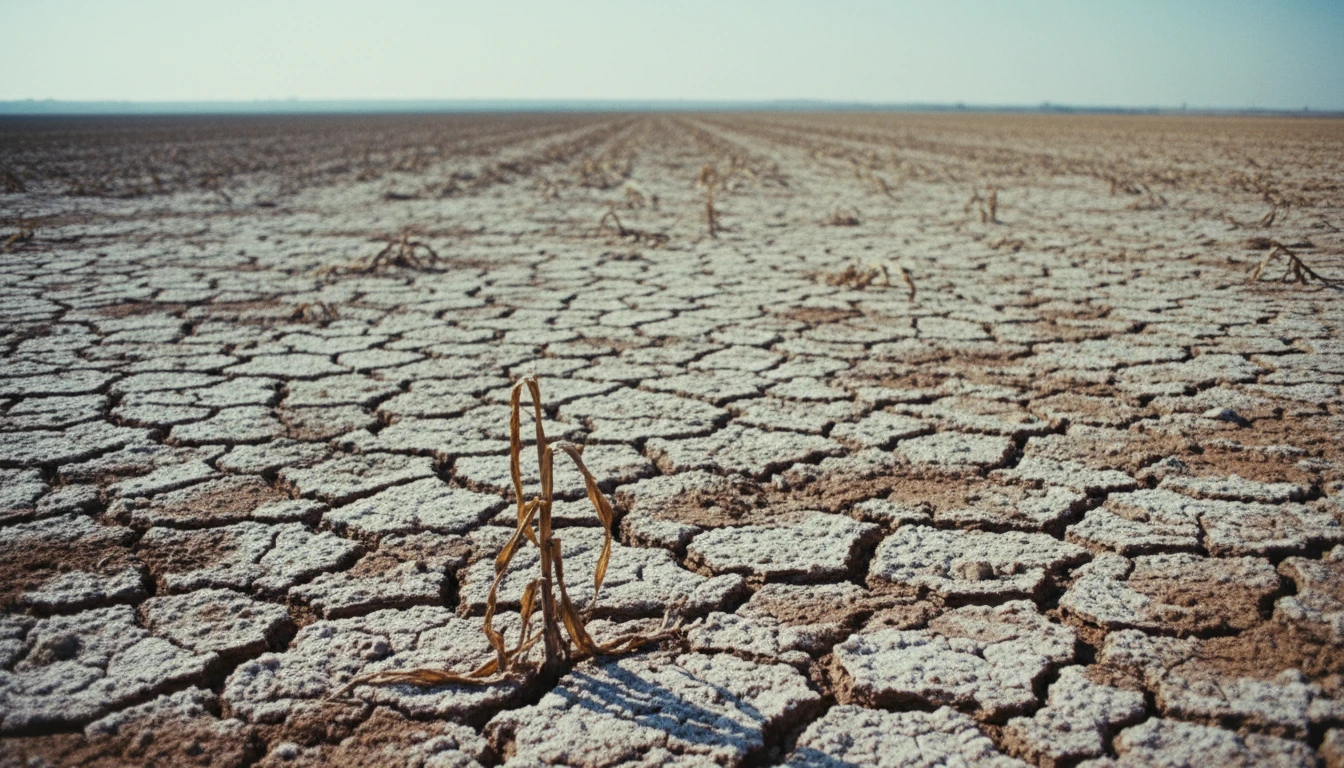
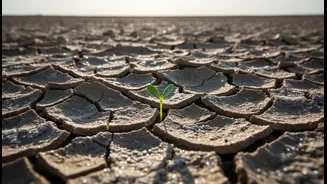
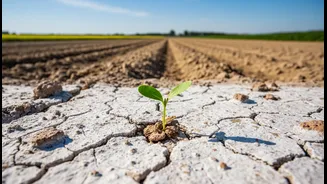
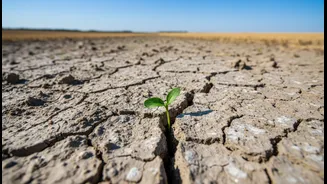
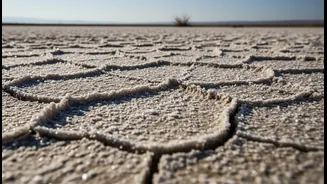
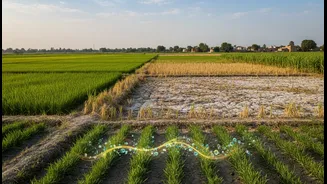
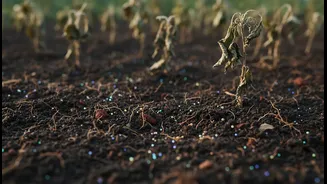
Across vast stretches of India, from Gujarat's coastline to the Indo-Gangetic plains, a white, crusty layer is increasingly visible on the soil. This is not a harmless deposit; it is the sign of a serious agricultural crisis known as soil salinity. In simple
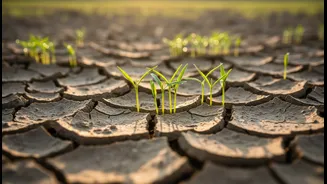
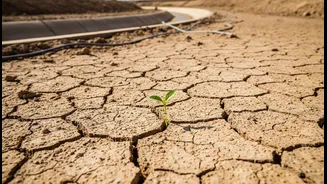
terms, salinity is the accumulation of excess salts in the soil. This occurs naturally in arid and coastal regions but is being dangerously accelerated by human activities. Poor irrigation practices, such as using saline groundwater without proper drainage, and the overuse of certain chemical fertilizers, cause salts to build up in the topsoil. As water evaporates, the salt is left behind, creating a toxic environment for most plants. Currently, around 6.7 million hectares of Indian land are salt-affected, with projections suggesting that if unchecked, up to 50% of the country's arable land could be impacted by 2050.
The Staggering Cost of Salty Soil
The impact of rising salinity is devastating for farmers and the national economy. Excess salt in the soil hinders a plant's ability to absorb water, stunting its growth and drastically reducing crop yields. For many major crops, yields in salt-stressed environments are only 20-50% of their potential. This directly translates to massive economic losses. One estimate suggests India loses nearly 17 million tonnes of agricultural production annually due to soil salinity, with an economic impact valued at over ₹23,000 crore. States like Uttar Pradesh and Gujarat are among the hardest hit, facing billions in losses. For individual farmers, the story is one of mounting debt and despair, as they spend more on fertilizers for diminishing returns, a cycle that often pushes them into financial ruin.
Hope From the Lab: The Science of Salt Tolerance
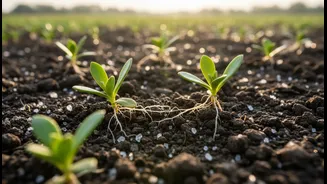
Amidst this growing crisis, Indian scientists are racing to provide solutions. Research, spearheaded by institutions like the ICAR-Central Soil Salinity Research Institute (CSSRI), is primarily focused on two fronts: developing salt-tolerant crop varieties and promoting better soil and water management practices. The development of 'halophytic' or salt-loving crops is a game-changer. Scientists are identifying and breeding new varieties of essential staples like rice, wheat, and mustard that can thrive in saline conditions. These 'super crops' have unique genetic traits that allow them to either block salt from entering their roots or safely store it in their cells without affecting growth. The CSSRI has successfully developed and released numerous salt-tolerant varieties, such as CSR-43 and CSR-56 rice, and KRL-210 wheat, specifically for cultivation in salt-affected areas.
Beyond Seeds: Managing Land and Water
Developing new seeds is only half the battle. The research also provides a clear roadmap for on-farm management to combat and even reverse salinity. Techniques like gypsum-based soil reclamation have proven highly effective for sodic soils, a specific type of salt problem. Improved drainage is another critical component. Building systems like subsurface drains helps wash away excess salts from the root zone, preventing their accumulation. Furthermore, scientists are promoting Good Agricultural Practices (GAP) that include efficient water use through methods like drip irrigation, which minimizes waterlogging and salt buildup, and the use of organic manures to improve soil health and resilience. When integrated, these strategies can reclaim barren lands and significantly boost their productivity.
From Lab to Land: The Final Hurdle
The existence of this powerful research is a beacon of hope, but its real value is only realized when it reaches the hands of farmers. Bridging the gap between the laboratory and the fields remains the biggest challenge. Many farmers, particularly small and marginal ones, lack awareness of these new technologies or the financial capacity to adopt them. The cost of new seeds, installing drainage, or altering irrigation systems can be prohibitive. Therefore, a concerted effort is required from government extension services, agricultural universities, and farmer producer organizations to disseminate this knowledge. Subsidies, training programs, and on-farm demonstrations are crucial to encourage widespread adoption. The success of these scientific breakthroughs depends entirely on making them accessible and affordable for the millions of farmers who need them most.