






The Soul of the Blue Mountains
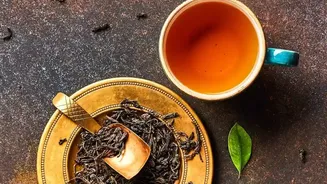
The foundation of any great fruit blend is, of course, the tea itself. For many artisanal blenders in India, Nilgiri tea is the perfect canvas. Grown in the high-altitude 'Blue Mountains' of Tamil Nadu, Nilgiri black tea is celebrated for its unique character.
Unlike the bold, malty notes of Assam or the complex muscatel of Darjeeling, Nilgiri tea is exceptionally bright, brisk, and fragrant, with a smooth, clean finish. Its inherent floral and fruity notes make it a natural partner for additional flavours, as it complements rather than overpowers them. This balanced profile means it can stand up to a variety of pairings, from citrus to stone fruits, creating a harmonious final cup.
The Critical Step: Fruit Preparation
Using fresh fruit in a dry tea blend is a recipe for disaster. The high moisture content of fresh fruit would quickly lead to mold and spoil the entire batch. This is where the crucial process of dehydration comes in. Artisanal makers carefully select ripe, flavourful seasonal fruits, avoiding any that are overripe or bruised. These fruits are then meticulously dried to a specific moisture level, typically below 10%, to ensure they are shelf-stable. Methods range from traditional sun-drying to using modern food dehydrators, which offer precise control over temperature and airflow. For fruits like plums or berries with waxy skins, a quick blanch in hot water may be needed to crack the skin and aid in even drying. The goal is to create fruit pieces that are intensely flavourful but completely dry, preventing any risk of contamination.
The Art of Infusion and Blending
Simply mixing dried fruit with tea leaves is only the beginning. True artisanal blending is about creating a cohesive flavour profile. Once the fruit is properly dried, it's combined with the Nilgiri tea leaves. To ensure the blend is harmonious, makers often follow a ratio, with the base tea making up the vast majority of the mixture. After the initial mixing, the blend is left to 'marry' or 'rest' in an airtight container for a period ranging from a few days to several weeks. This essential resting period allows the natural oils and aromas from the dried fruit to migrate and infuse into the absorbent tea leaves. This process ensures that the fruit flavour is not just a separate element but becomes an integral part of the tea's own aroma and taste, resulting in a much deeper and more integrated flavour experience than simply adding fruit to a cup before steeping.
Ensuring Safety From Workshop to Teacup
The word 'safely' in the headline is paramount. For artisanal makers, food safety is a non-negotiable part of the craft. The most significant risk in blending tea with fruit is moisture, which can introduce mold and bacteria. This is why precise dehydration is so critical. By reducing the water content of the fruit to a safe level, makers eliminate the environment needed for microbes to grow. Furthermore, all tools, mixing bowls, and storage containers must be impeccably clean and dry to prevent cross-contamination. Artisans store their finished blends in airtight, opaque containers away from light, heat, and moisture to protect the integrity of the product and ensure it remains safe and flavourful for months.