



Drainage Is Your First Defence
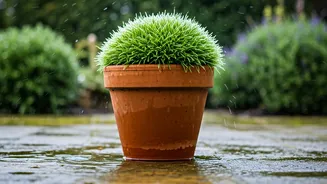
The single biggest threat to potted plants during heavy rain is not the water itself, but where it ends up. When water has nowhere to go, it saturates the soil, suffocates the roots, and leads to deadly root rot. Your first line of defence is the pot itself.
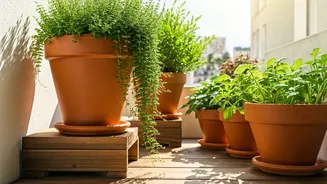
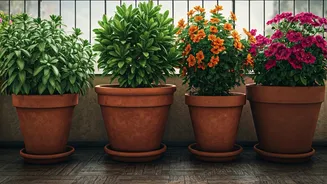
Before planting, ensure every pot has at least one, if not several, drainage holes at the bottom. If they are blocked, clear them out immediately. For an extra layer of protection, consider adding a shallow layer of gravel, broken terracotta pot shards (thekri), or small pebbles at the base of the pot before adding soil. This creates a buffer zone that prevents soil from compacting and blocking the drainage holes. Equally important is the saucer. Never let your pots sit in a tray full of water; this is the equivalent of forcing your plants to stand in a puddle. After a heavy downpour, make it a habit to empty any collected water from the saucers.
The Right Soil Mix Matters
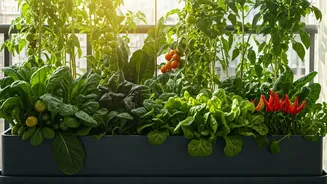
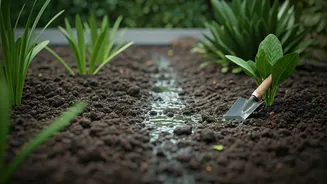
Standard garden soil or heavy clay-based mixtures can become a dense, waterlogged mess during the monsoon. They hold too much moisture for too long, creating an anaerobic environment that is fatal for most plant roots. To create a monsoon-ready balcony garden, you need a potting mix that is light, airy, and drains freely. You can buy pre-made potting mixes designed for containers, or create your own. A good DIY formula combines equal parts garden soil, compost, and a material that improves aeration and drainage. Cocopeat is an excellent, widely available option that retains just enough moisture while allowing excess to pass through. Other great additions include perlite, vermiculite, or even coarse sand. This lighter mix ensures that even after a torrential rain, the soil won't become a solid block of mud, giving your plant's roots the oxygen they need to survive and thrive.
Choose Your Monsoon Warriors
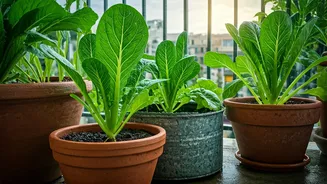
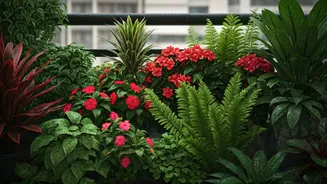
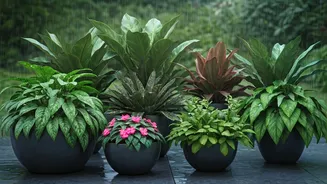
While good drainage and soil are crucial, plant selection also plays a significant role. Some plants are simply better equipped to handle the Indian monsoon than others. Tropical plants that are native to high-rainfall regions are often your best bet. Consider populating your balcony with hardy varieties like hibiscus, canna lily, ferns, areca palms, and spider plants. These species are generally more tolerant of humid conditions and wet soil. On the other hand, plants that prefer dry conditions are extremely vulnerable. Succulents, cacti, and Mediterranean herbs like lavender and rosemary will likely suffer. This doesn’t mean you have to give them up entirely. Simply identify these sensitive ‘desert dwellers’ in your collection and give them special treatment by moving them to the most sheltered part of your balcony or even bringing them indoors during periods of intense rain.
Strategic Shelter and Placement
Think of your balcony as having different microclimates. The area right against the wall or under a roof overhang receives far less rain than the edge exposed to the open sky. Use this to your advantage. Move your most delicate and water-sensitive plants to these sheltered spots. You can also group smaller pots under the canopy of a larger, leafier plant, which can act as a natural umbrella, deflecting the full force of the rain. For balconies that are completely exposed, you might need to create temporary shelter. A simple, cost-effective solution is to use a clear plastic sheet (like a painter's drop cloth) stretched over a basic frame to create a temporary roof during the heaviest storms. This protects the plants from the physical impact of heavy raindrops, which can damage leaves and flowers, without blocking out essential sunlight.
Post-Rain Recovery and Care
Your job isn’t over once the rain stops. A quick post-rain check-up can prevent long-term damage. Walk around your balcony and inspect your pots. If a pot feels unusually heavy, it’s likely waterlogged. Gently tip it to the side to help excess water drain out. Look for signs of stress, such as yellowing leaves or wilting, which can paradoxically be a sign of overwatering. Damp, humid conditions are also a breeding ground for fungal diseases and pests like slugs and snails. Inspect the leaves (top and bottom) for any signs of trouble. One crucial tip: avoid fertilizing a waterlogged plant. When roots are stressed and oxygen-deprived, adding fertilizer can ‘burn’ them, causing even more damage. Wait until the soil has had a chance to dry out and the plant looks healthy again before resuming your feeding schedule.