



The Great Indian Coffee Awakening
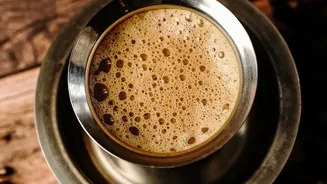
For generations, coffee in most Indian households meant one of two things: traditional filter kaapi, a beloved ritual in the south, or the quick, convenient fix of instant coffee. Brands like Nescafé and Bru dominated the market, becoming synonymous with
the morning routine in millions of homes and offices. But in the last decade, a dramatic transformation has been brewing. A cultural shift, driven largely by Millennials and Gen Z, is seeing consumers move beyond mass-produced powders to explore the nuanced world of artisanal coffee. This isn't just about drinking a different kind of coffee; it's about embracing a new lifestyle where origin, flavour, and experience are paramount.
What is Single-Origin Coffee, Anyway?
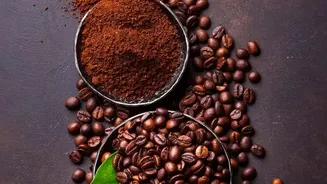
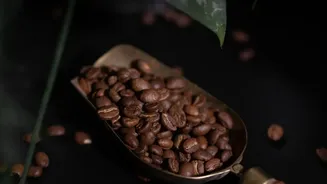
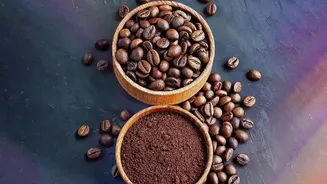
The term 'single-origin' is at the heart of this new wave. Unlike blends, which combine beans from various locations to create a consistent taste, single-origin coffee comes from a specific farm, estate, or a small, defined geographical region. This focus on a single source allows the unique characteristics of that location—its soil, altitude, and climate, collectively known as 'terroir'—to shine through in the final cup. India, one of the world's top coffee producers, offers a stunning variety. Beans from Chikmagalur in Karnataka, the birthplace of Indian coffee, might have notes of citrus and dark chocolate, while those from the Araku Valley in Andhra Pradesh could offer a completely different flavour profile. This traceability is precisely what excites new-age coffee drinkers; they want to know the story behind their brew.
The Millennial and Gen Z Effect
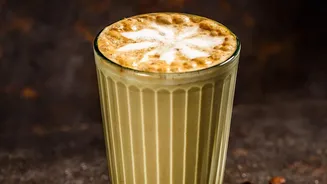
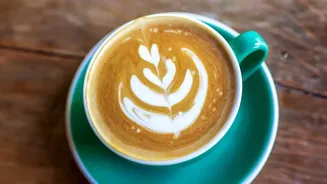
So, why is this change happening now? A confluence of factors is at play, with young, urban consumers at the center. Increased disposable income and exposure to global trends through travel and social media have created a more discerning palate. This generation seeks authenticity and is willing to pay a premium for products with a clear identity and ethical backstory. Cafés have become 'third places'—somewhere between home and work—for socializing, co-working, and creative pursuits. The aesthetic appeal of brewing methods like pour-overs and the visual nature of latte art make coffee a highly shareable experience on platforms like Instagram, further fueling its popularity as a lifestyle choice.
The Rise of the Indian Roaster
This consumer-led demand has been met by a burgeoning ecosystem of local entrepreneurs. A wave of specialty coffee roasters like Blue Tokai, Third Wave Coffee, and Subko has emerged, championing the 'estate-to-cup' philosophy. These brands work directly with coffee estates across India, ensuring farmers get a better price and that the highest quality beans, once reserved for export, are now available domestically. They have educated an entire generation of consumers about roasting profiles, grind sizes, and brewing techniques. By making specialty coffee accessible through their cafes and direct-to-consumer subscription models, these roasters have been instrumental in building India's third-wave coffee culture from the ground up.
More Than Just a Drink
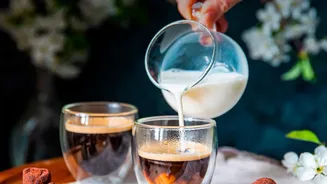
The new coffee culture is as much about the ritual as the beverage itself. Enthusiasts are investing in home brewing equipment like the AeroPress, V60 drippers, and French presses, turning their morning cup into a hands-on, multi-sensory experience. They are learning to talk about coffee the way one might talk about wine, discussing tasting notes of jasmine, bergamot, or plum and the impact of processing methods like 'anaerobic fermentation'. This movement represents a deeper appreciation for craftsmanship and a desire to connect with the products we consume. It’s a quiet rebellion against the homogeneity of mass-market products, celebrating the diversity and quality of India's own agricultural heritage.