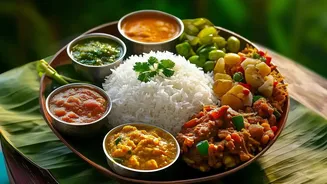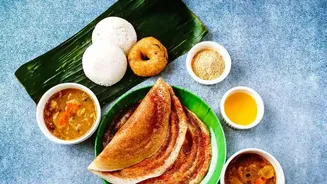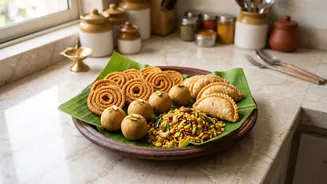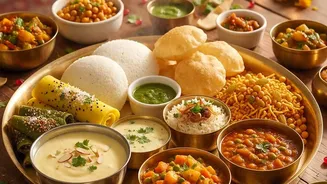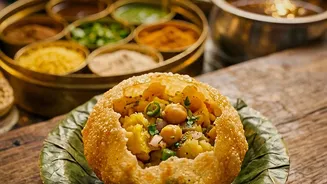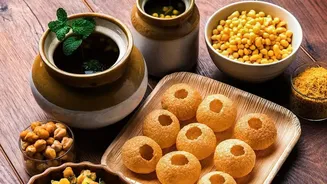


For years, 'Indian food' often meant a familiar lineup of butter chicken, dosas, and biryani. But that's changing. Suddenly, hyper-local dishes from every corner of the country are appearing on city menus and social media feeds. What's behind it?
A New Generation of Culinary Ambassadors
A major
force behind this shift is a new generation of Indian chefs who are championing authenticity. Instead of sticking to a handful of globally recognized dishes, these culinary leaders are diving deep into their own heritage, unearthing forgotten recipes and celebrating the nuances of their home states. Whether it's showcasing Naga delicacies, reviving Gaud Saraswat Brahmin cuisine in Goa, or reinterpreting Ladakhi pasta, chefs are acting as cultural ambassadors. They are proving that a dish from Kerala can be just as complex and compelling as one from Punjab, and that authenticity itself is a powerful draw for modern diners who crave a story with their meal. This movement is about preserving culinary legacies while presenting them with modern confidence and pride.
The Rise of the Home Chef
The transformation isn't just happening in fine-dining restaurants. A quiet revolution is taking place in home kitchens across India. Spurred on by the pandemic and empowered by technology, a wave of home chefs has emerged, turning family recipes into small businesses. These entrepreneurs are bridging the gap between traditional home cooking and commercial dining by offering authentic, regional meals through pop-ups, catering, and delivery services. For city dwellers living far from their hometowns, these home chefs offer a nostalgic taste of home, from Assamese thalis to Himachali delicacies. This movement has not only provided a platform for economic independence, especially for women, but has also significantly broadened the availability of genuine regional flavours that were previously inaccessible to a wider audience.
The Instagram Effect and Digital Discovery
Social media has fundamentally changed how we discover and experience food. Platforms like Instagram and YouTube have become virtual dining tables, where visual storytelling makes regional food irresistible. Food bloggers and influencers have been crucial in showcasing India's rich culinary heritage, from the aromatic flavours of Kashmiri Wazwan to the fiery delights of Chettinad cuisine. Short-form videos of street food vendors or tutorials on niche recipes can go viral in hours, creating instant demand and curiosity. For many younger Indians, Instagram has replaced traditional search engines for deciding where to eat. This digital ecosystem, combined with the seamless integration of food delivery apps, means a user can discover a hyper-local dish on their feed and have it delivered to their door within minutes, making exploration easier than ever.
An Evolving and Curious Palate
Ultimately, this trend is powered by a shift in consumer behaviour. Indian diners are becoming more adventurous, curious, and knowledgeable. Increased travel, exposure to digital content, and a renewed appreciation for local ingredients have cultivated a demand for authenticity. People are no longer content with a standardised menu; they want to know the origin of their food, the story behind the ingredients, and the cultural context of a dish. Health and wellness are also playing a role, with a growing interest in traditional cooking methods and nutritious, locally-sourced ingredients like millets and indigenous grains. This quest for varied and meaningful food experiences is pushing restaurants and home chefs alike to celebrate the true diversity of India's culinary landscape.