



The Great Reopening: When and Why
Most national parks in India close annually during the monsoon season (typically July to September). This necessary pause allows the forest ecosystem to rejuvenate, provides privacy for animal breeding, and gives authorities time to repair rain-damaged
trails. Come October, the safari season officially kicks off. Many major parks, like Ranthambore and several in Madhya Pradesh, welcome visitors from the start of the month. For instance, Kaziranga National Park in Assam reopened for the 2026-27 season on October 3, 2026. However, dates can vary. Some zones in Jim Corbett National Park open in mid-October, while its core Dhikala zone opens in mid-November. It is always best to check the official websites for specific parks before making any plans.
Choosing Your Safari Destination
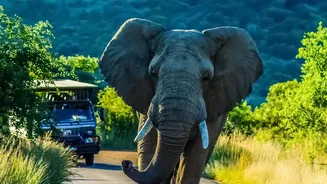
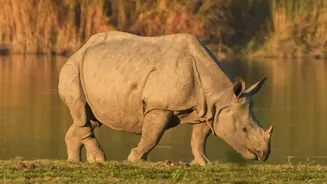
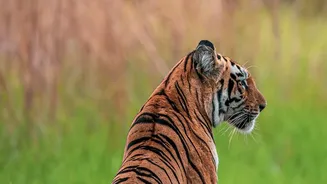
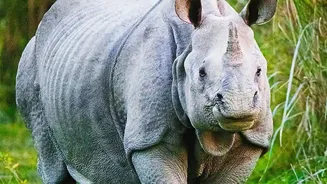
India's diverse geography means there is a park for every type of wildlife enthusiast. For those seeking the majestic Bengal tiger, parks like Ranthambore in Rajasthan, and Bandhavgarh, Kanha, and Pench in Madhya Pradesh are top destinations, known for high sighting probabilities. Bandhavgarh is famed for having one of the highest tiger densities. If you dream of seeing the one-horned rhinoceros, Kaziranga in Assam is the place to be, and it also hosts a significant tiger population. Jim Corbett in Uttarakhand, nestled in the Himalayan foothills, offers a stunning landscape with tigers, elephants, and a rich diversity of birdlife. For a different experience, consider Gir National Park in Gujarat, the only home of the Asiatic lion.
The Golden Rule: Book in Advance
Spontaneity and safari planning do not mix well. Permits for India's most popular tiger reserves are limited and sell out incredibly fast. Booking windows typically open 90 to 120 days in advance. For many parks, these permits are snapped up within hours, especially for peak season dates (November to March) and preferred safari zones. You can book directly through the official forest department websites, which is the most reliable method. For example, Ranthambore safari bookings for October to December 2026 opened on August 1st. If you miss the window, your chances of securing a spot in a core zone are slim to none. Planning at least three to four months ahead is not just a suggestion; it's essential.
A Guide to a Great Safari Experience
To maximise your chances of a memorable sighting, book at least three to four safaris. More drives mean more opportunities to track animals. When booking, try to get a mix of different zones within the same park, as each offers unique habitats and wildlife. The time of day matters, too; early morning and late afternoon safaris are when animals are most active. Dress in neutral, earthy colours like beige, brown, and green to blend in with the surroundings. It can be surprisingly cold on an open jeep in the early morning, even in warmer months, so dressing in layers is wise. Most importantly, look beyond just the tiger. The forest is full of stories, from the alarm calls of deer to the tracks on a dusty path. A knowledgeable naturalist can help you interpret these signs, making the entire experience more rewarding.
Travel with a Conscience
Responsible tourism is key to preserving these wild spaces. Always follow your guide's instructions and the park's rules. This includes maintaining a safe distance from animals, not making loud noises, and never feeding wildlife. Using flash photography is strictly prohibited as it can startle or distress the animals. Leave no trace behind by carrying out all your litter. By being a respectful visitor, you contribute to the conservation efforts that protect India's incredible biodiversity for future generations. Remember, you are a guest in their home.