

The Great Fat Debate: Saturated vs. Unsaturated
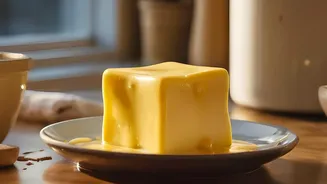
At a chemical level, the difference between saturated and unsaturated fats lies in their structure. Saturated fats have no double bonds in their carbon chains, making them more stable and typically solid at room temperature — think of butter, ghee, and coconut
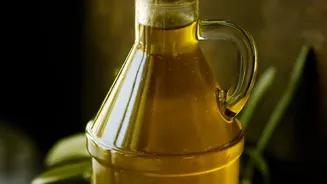
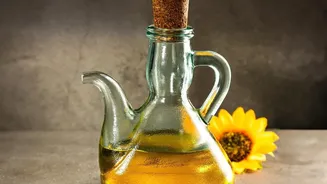
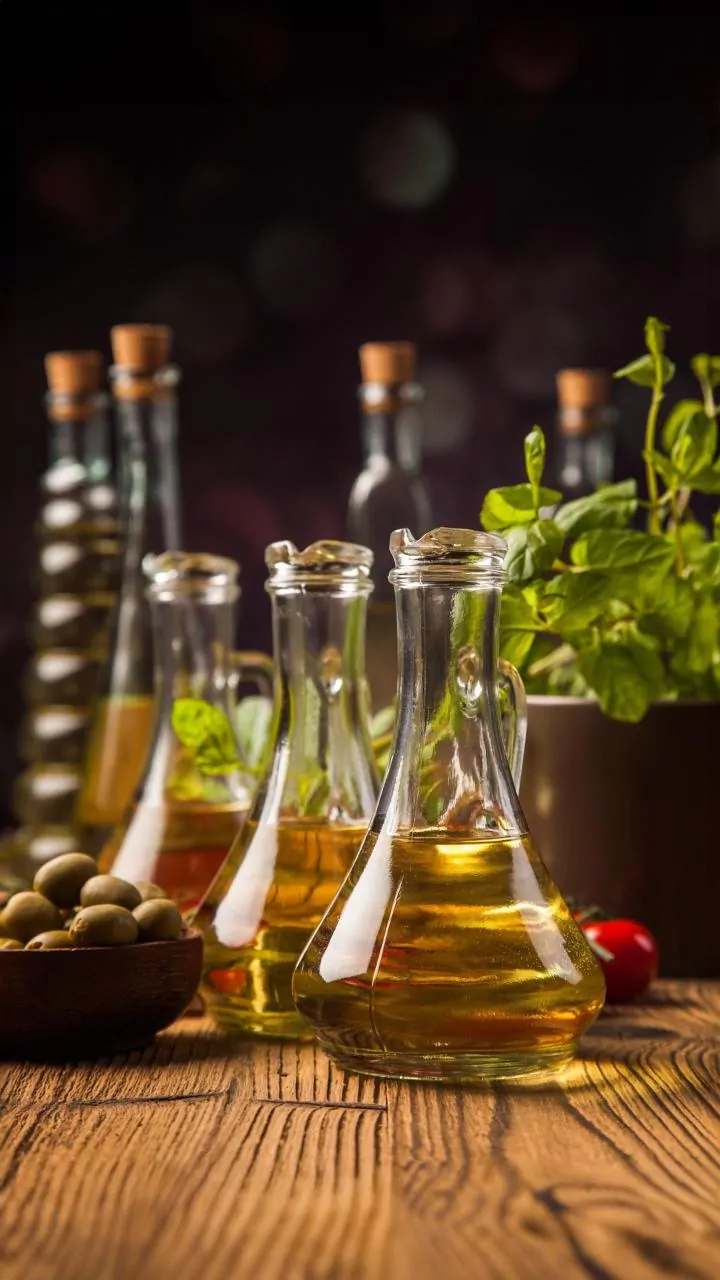
oil. Unsaturated fats, on the other hand, have at least one double bond, which gives them a bent shape, making them liquid at room temperature. These are the oils we commonly use, such as sunflower, groundnut, and mustard oil. This structural difference is key to understanding their impact on our health.
Heart Health and the Tale of Two Fats
For decades, dietary guidelines have advised limiting saturated fat. The primary concern is its effect on cholesterol. Diets high in saturated fats can raise levels of LDL cholesterol, often called "bad" cholesterol, which is a risk factor for heart disease. In contrast, unsaturated fats can have a positive effect. They are broadly categorised into monounsaturated fats (found in groundnut and olive oil) and polyunsaturated fats (found in sunflower and soybean oil). Both types help reduce LDL cholesterol. Polyunsaturated fats also provide essential fatty acids like omega-3 and omega-6, which the body cannot produce on its own and are vital for brain health and controlling inflammation.
The Kitchen Conundrum: Smoke Points Matter
Beyond cholesterol, the most practical difference for daily cooking is the smoke point. This is the temperature at which an oil stops shimmering and starts smoking, breaking down and releasing harmful compounds called free radicals. When you heat an oil past its smoke point, it not only loses its nutritional value but can also produce toxic fumes and impart a burnt flavour to your food.. For high-heat Indian cooking methods like deep-frying pooris or making a tadka, you need an oil that can handle the heat.
Choosing the Right Oil for Your Kadhai
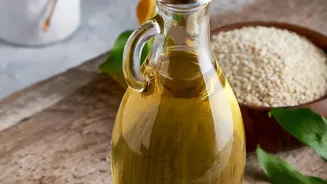
Matching the oil to the cooking method is crucial. For deep-frying (175°C to 190°C), you need a stable oil with a high smoke point. Refined groundnut, sunflower, and rice bran oils are excellent choices.. Unrefined, cold-pressed oils generally have lower smoke points. For everyday sautéing and making sabzis (around 120°C to 160°C), cold-pressed groundnut or sesame oil works well.. Traditional mustard oil, a staple in North and East India, has a unique profile. Heating it to just below its smoke point mellows its pungency, making it perfect for tempering dals and vegetables.. Extra virgin olive oil has a low smoke point and is best reserved for dressings and drizzling, not high-heat Indian cooking.
What About Ghee and Coconut Oil?
No discussion of Indian fats is complete without mentioning ghee and coconut oil. Both are high in saturated fat but are revered in traditional cooking. Ghee, or clarified butter, has a very high smoke point (around 250°C), making it fantastic for high-heat cooking and lending a rich, nutty flavour.. Coconut oil is a staple in South Indian cuisine and is stable for medium-heat cooking.. While these fats are culturally and culinarily important, most modern dietary guidelines, including those for Indians, suggest using them in moderation due to their high saturated fat content.. Think of them as flavour enhancers rather than your primary cooking medium.