








From a Daily Staple to a Lifestyle Choice
For decades, the story of Indian dairy was one of volume. The primary goal was ensuring a steady supply of milk, a nutritional cornerstone for millions. Today, that narrative is shifting from quantity to quality and function. The industry's new growth
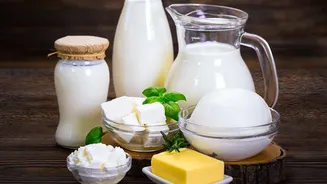
isn't just coming from selling more milk, but from extracting more value from it. This evolution is driven by a new Indian consumer: urban, health-conscious, with rising disposable income and a demand for products that fit a busy lifestyle. As a result, companies are moving beyond plain milk and focusing on what are known as value-added products—items like cheese, paneer, and a dazzling array of yogurts and dairy drinks that offer something more than basic nutrition.
The Protein Power Play
One of the biggest drivers of this change is the growing consumer focus on protein. Once associated mainly with bodybuilders, protein has become a mainstream buzzword, linked to fitness, muscle recovery, and overall wellness. Dairy companies have been quick to respond. Shelves now feature high-protein paneer, Greek yogurt with double the protein of traditional curd, and ready-to-drink milkshakes fortified with whey. Brands like Amul, Heritage Foods, and Epigamia are launching products specifically targeting this demand, such as protein shakes, high-protein yogurts, and even protein-fortified ice creams. This trend taps into a clear consumer need, especially in a country with a large vegetarian population seeking accessible protein sources.
Convenience is the New King
As lifestyles become more hectic, convenience has become a critical selling point. Consumers are looking for nutritious options that are quick and easy to consume on the go. The dairy industry has answered with a host of products designed for modern life. Single-serve yogurt cups, flavoured lassi and buttermilk in cartons, cheese slices, and ready-to-drink milkshakes are booming in popularity. According to Mother Dairy's managing director, categories like dairy beverages, cheese, and paneer have seen significant volume growth, partly driven by their convenience. The rapid expansion of quick commerce and online delivery platforms has further fueled this trend, making it easier than ever for consumers to access these products instantly.
The Wellness and Functional Foods Wave
Beyond just protein, there is a broader movement toward wellness and 'functional' foods—products that offer specific health benefits. This includes dairy items fortified with vitamins, probiotic drinks for gut health, and lactose-free milk for those with dietary sensitivities. The COVID-19 pandemic accelerated this trend, making consumers more aware of immunity and preventative health. Companies are innovating with offerings like probiotic buttermilk and yogurt, A2 milk, and even low-sugar ice creams. For example, Heritage Foods reported that its value-added portfolio, which includes many of these wellness products, grew nearly 40% year-on-year in the first quarter of FY27, showing strong consumer appetite for dairy that does more.
Established Giants and Nimble Startups
This transformation is being led by both established giants and agile newcomers. Dairy cooperatives like Amul and Mother Dairy are investing heavily in expanding their value-added product lines. Amul, for instance, has undertaken a massive capital expenditure program to boost its cheese and value-added manufacturing capabilities. At the same time, newer players like Epigamia, which positioned itself as a health-snacking brand rather than a traditional dairy company, have played a key role in creating new categories like Greek yogurt in India. This competitive landscape, featuring both legacy players and venture-backed startups, is fostering innovation and giving Indian consumers more choice than ever before.