



From Heaped Plates to Curated Bites
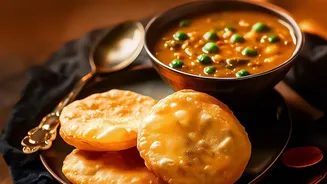
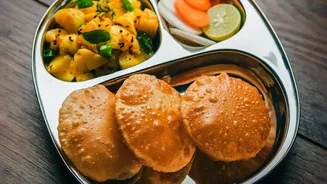
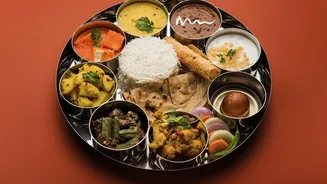
For generations, festive hospitality in India was measured by abundance. Heaped plates of biryani, mountains of puris, and an endless parade of rich, ghee-laden sweets were symbols of a host's generosity and the season's prosperity. Today, that definition
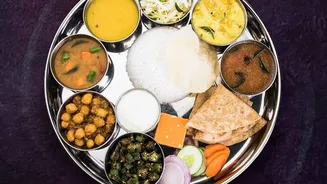
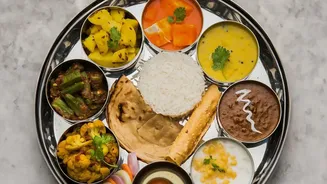
is evolving. Many are now finding more joy in variety than in sheer volume. Instead of three heavy curries, hosts might offer a wider array of smaller dishes, allowing guests to sample more flavours without feeling overwhelmed. This approach, sometimes compared to tapas-style eating, encourages grazing and conversation over a marathon meal. The focus is shifting to a balanced plate: one where vegetables, proteins, and carbohydrates coexist peacefully, rather than competing for space. The goal is no longer to stuff guests, but to satisfy them with a memorable array of tastes and textures.
The New Definition of 'Comfort'
Traditionally, festive food was 'comfort food' because it was rich, nostalgic, and indulgent. But the modern definition of comfort is expanding to include how you feel after the meal. Excessive intake of heavy, sugary, and fatty foods can lead to bloating, digestive issues, and a general feeling of lethargy, which gets in the way of enjoying the festival itself. The new festive comfort is about feeling light, energetic, and guilt-free. This shift is driven by a growing wellness consciousness across the country. People are more aware of what they eat and how it affects them. This doesn't mean giving up traditional favourites, but rather making smart swaps: baking or air-frying snacks instead of deep-frying, using jaggery or dates instead of refined sugar, and incorporating whole grains like millets into sweets. The ultimate comfort is being able to fully participate in celebrations, not recovering from them.
Variety as the Main Ingredient
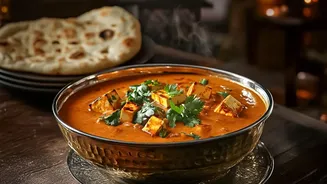
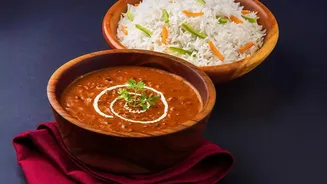
The modern festive table is also becoming more diverse and experimental. While classic dishes remain the heart of the celebration, there is a growing trend of incorporating new and sometimes non-traditional elements. This might look like a colourful quinoa salad served alongside a traditional dal makhani, or a platter of baked vegetable appetisers next to the samosas. Some families are even introducing global flavours, like pasta or fusion dishes, to cater to younger, more cosmopolitan palates. This blend of old and new reflects a contemporary India that is proud of its culinary heritage but also open to the world. Chefs and home cooks alike are reviving forgotten regional recipes and indigenous ingredients, celebrating a deeper, more authentic kind of variety that goes beyond the standard festive fare.
A More Relaxed Approach for Hosts
This reconsideration of festive meals is also liberating for hosts. The pressure to cook an overwhelming number of elaborate, heavy dishes can be immense, often leaving the host too exhausted to enjoy their own party. By embracing smaller portions, make-ahead dishes, and a more varied menu, hosts can reduce their time in the kitchen and increase their time with loved ones. The focus is shifting from a performance of elaborate cooking to the act of creating a warm and welcoming atmosphere. Opting for homemade sweets in smaller batches, for instance, is more manageable than sourcing kilos from the market. Ultimately, a relaxed host contributes to a relaxed gathering, and this new approach ensures that everyone, including the person who organised the meal, gets to experience the true spirit of the festival: connection and joy.