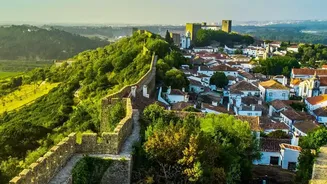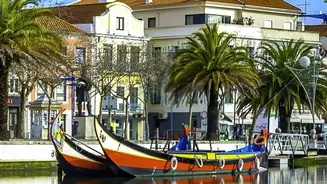

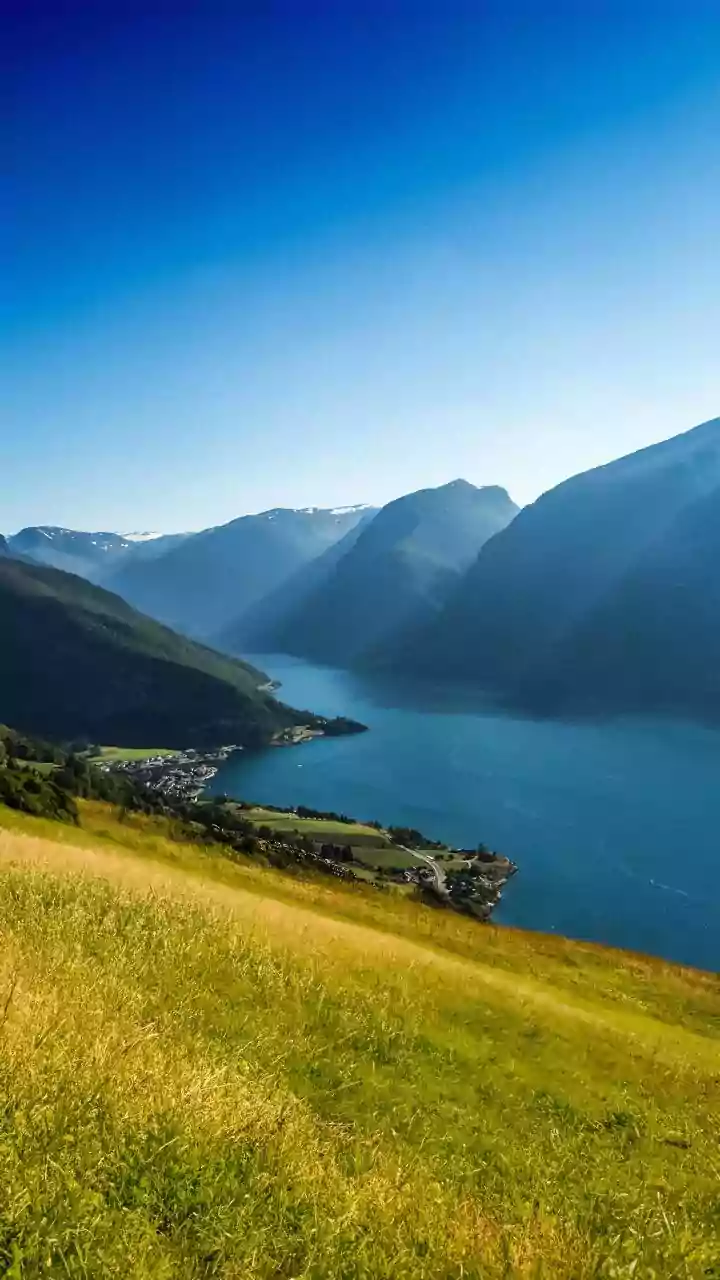


Beyond the famed beaches and bustling cities lies the true heart of Portugal: a rolling countryside of vineyards, ancient farms, and quiet villages. This guide provides the practical tips you need to explore it all.
Choosing Your Ideal Region
Portugal’s countryside is diverse, with
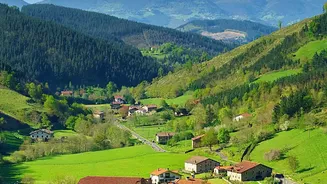
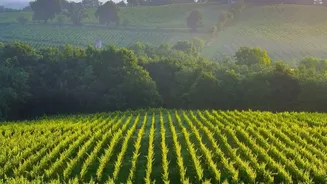
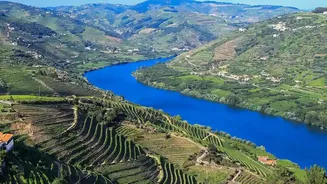
each region offering a unique flavour. For wine lovers, the Douro Valley is essential. Its steep, terraced vineyards rising from the river are breathtaking, and it's the heartland of Port wine. Further south, the Alentejo is a vast, sun-drenched landscape of rolling plains, cork forests, and whitewashed medieval towns. This region is known for its robust red wines, olive oil production, and a slower pace of life. For something greener, the Minho region in the northwest, home to Vinho Verde, offers lush landscapes and a cooler climate. Finally, the mountainous interior, like the Serra da Estrela, provides dramatic scenery and hearty culinary traditions, including distinctive cheeses.
The Best Time to Visit
The ideal time for a countryside trip is during the shoulder seasons of spring (March to May) and autumn (September to October). In spring, the country is in full bloom and temperatures are pleasant for hiking and exploring. Autumn is particularly special for wine enthusiasts as it's the harvest season, or 'vindima'. Many wineries, known as 'quintas', host events and allow visitors to witness or even participate in the grape harvest. Summer (June to August) can be very hot, especially in the interior Alentejo region, while winter (November to February) is cooler and can be rainy, though it offers a quieter, more intimate experience.
Getting Around the Countryside
Renting a car offers the most freedom to explore remote villages and hidden landscapes at your own pace. Roads are generally in good condition, though be prepared for narrow, winding routes in mountainous areas. However, you don't necessarily need a car. Portugal has a reliable and affordable train system that connects major towns and cities, providing a scenic way to travel between regions. For smaller towns and villages not served by rail, a network of buses like Rede Expressos and FlixBus can fill the gaps. In rural areas, ride-sharing apps like Uber can be unreliable, so it's wise to pre-book local taxis if you're planning a trip without your own transport.
Immersive Farm & Vineyard Stays
To truly experience rural Portugal, consider staying in an 'agroturismo' or farm stay. These range from rustic cottages to luxurious manor houses on working farms and vineyards. Many offer an authentic connection to the land, where you can wake up to the sounds of the countryside and enjoy meals made with ingredients grown just steps away. In the Douro, many 'quintas' offer guest accommodation with stunning views over the valley. In the Alentejo, you can find sprawling estates ('herdades') where you can learn about cork harvesting, olive oil production, or simply relax by the pool surrounded by nature.
Unforgettable Rural Experiences
Beyond wine tasting, the Portuguese countryside offers a wealth of authentic activities. In the Alentejo, you can take a tour to learn how cork is sustainably harvested from ancient oak trees. Olive oil tourism is also popular, with many estates offering tours and tastings where you can learn to distinguish the nuances of high-quality oil. Food lovers can join a farm-to-table cooking class to learn the secrets of regional Portuguese cuisine, using freshly picked produce. For the active traveller, there are countless hiking trails, such as the Rota Vicentina along the stunning Alentejo coastline, and opportunities for cycling through scenic landscapes.