


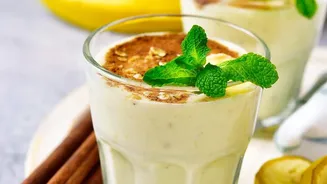
Why Add Millets to a Smoothie?
A standard fruit smoothie can be refreshing, but it often lacks the substance to keep you full until lunch. Millets change that. These tiny grains are nutritional powerhouses, packed with dietary fibre, complex carbohydrates, and high-quality protein.
This combination promotes a feeling of fullness, helping to prevent overeating and mid-morning snack cravings. The complex carbs provide a slow, sustained release of energy, avoiding the sugar crash that can come from fruit-only smoothies. Furthermore, millets are rich in essential minerals like iron, magnesium, and phosphorus, and certain types like ragi are famed for their high calcium content, which is excellent for bone health.
The Best Millets for Blending
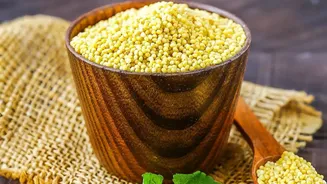
Not all millets are created equal when it comes to smoothies. For a creamy, non-gritty texture, it's best to stick to those that cook down into a soft consistency. The most popular choices in India are:
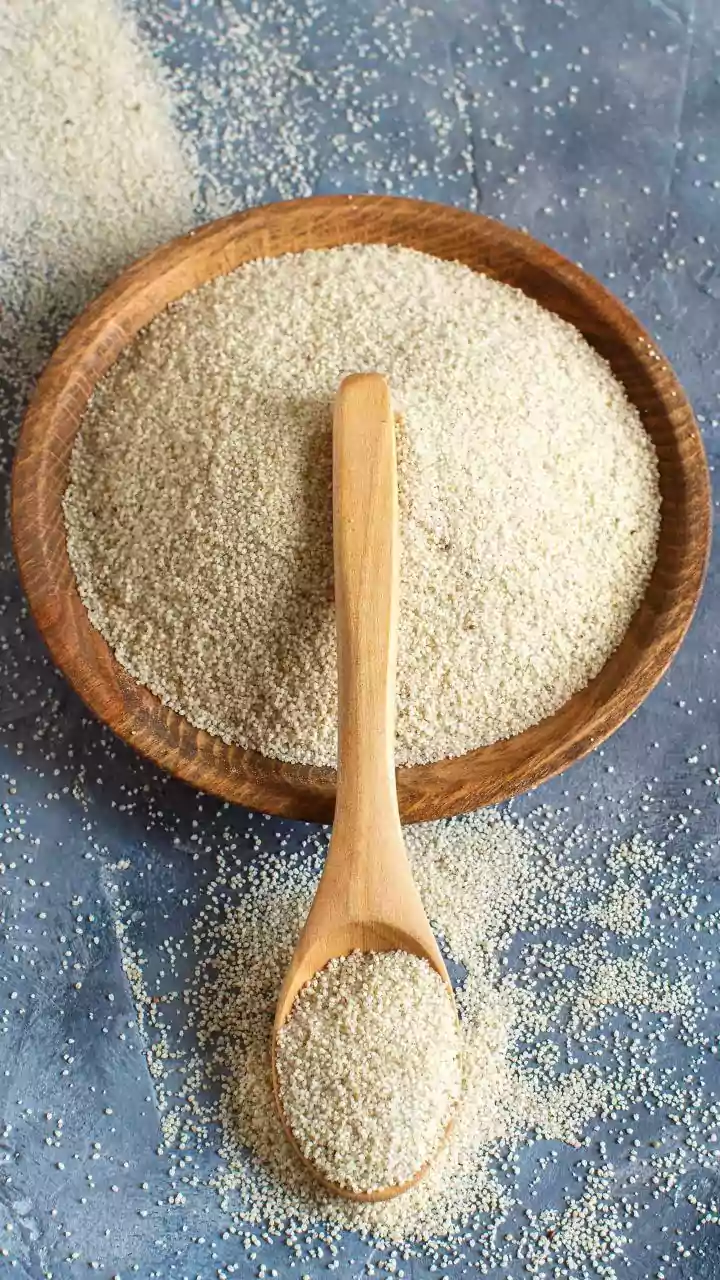
Ragi (Finger Millet): Arguably the king of smoothie millets, ragi has a distinct, slightly malty flavour and is incredibly rich in calcium and iron. It creates a thick, creamy smoothie and is a traditional choice for nutrient-dense porridges and drinks.
Bajra (Pearl Millet): A staple in western India, bajra has a slightly nutty, bold flavour. While traditionally seen as a 'winter warmer', it can be used in moderation in cooling smoothies when paired with ingredients like curd or banana. It's a great source of protein and magnesium.
Foxtail Millet (Kangni/Thinai): This millet has a milder, more neutral flavour, making it a great starting point if you're new to adding grains to your drinks. It's light on the stomach and rich in protein and iron.
Barnyard Millet (Sanwa/Kuthiraivali): Known for its high fibre and iron content, barnyard millet cooks quickly and has a mild taste, making it another versatile option for smoothies.
The Essential Prep: Cook and Cool
You cannot simply throw raw millet grains or flour into your blender; this will result in a gritty, unpleasant texture. The key is to cook the millet first. The process is simple: treat it like you're making a basic porridge. For whole grains, rinse them well, then cook with water until completely soft. For flours like ragi, make a slurry with a little cold water first to prevent lumps, then cook with more water or milk, stirring continuously until it thickens into a glossy paste. Once cooked, the most crucial step is to let the millet mixture cool down completely. Blending hot or warm millet can create a gummy texture. For convenience, you can cook a batch of millet porridge and store it in the fridge for 2-3 days, ready to be scooped into your morning smoothie.
Building Your Perfect Millet Smoothie
Once you have your cooled, cooked millet, assembling the smoothie is easy. A good rule of thumb for a single serving is to start with about 1/4 cup of the cooked millet paste. From there, follow a simple formula:
1 Part Cooked Millet + 2 Parts Fruit + 1 Part Liquid + Optional Boosters
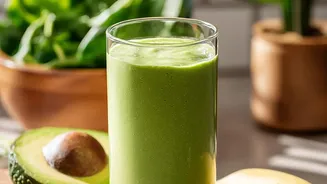
Fruit: Bananas are a fantastic base as their creaminess complements the millet texture. Other great options include mango, chikoo, apple, and dates for natural sweetness.
Liquid: You can use regular milk, nut milk (like almond), yogurt (curd), or even just water.
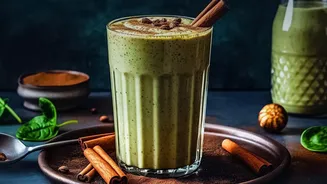
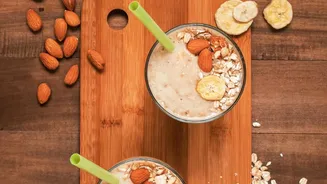
* Boosters: Enhance the flavour and nutrition with a spoonful of nut butter, a pinch of cardamom or cinnamon, chia seeds, or a few soaked nuts like almonds.
Try a classic 'Ragi Banana Smoothie' by blending cooked ragi, a ripe banana, milk, and a pinch of cardamom powder for a filling and traditional flavour. Or for a tropical twist, blend cooked foxtail millet with mango chunks and a little yogurt.