


The Searing Dilemma
Searing is a high-heat cooking technique designed to create a delicious, caramelised crust on everything from a paneer steak to a succulent piece of fish. The magic happens through the Maillard reaction, a complex dance of amino acids and sugars that
occurs at high temperatures. To achieve this perfect crust without filling your kitchen with smoke or creating harmful compounds, you need a cooking fat with a high smoke point. The smoke point is the temperature at which a fat or oil begins to break down and produce visible smoke. Cooking past this point not only imparts a bitter, burnt flavour to your food but can also destroy nutrients and create unhealthy free radicals.
Cold-Pressed Oils: A Health Halo With A Catch
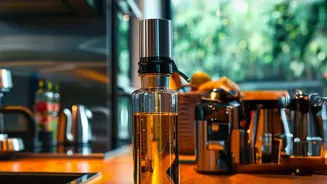
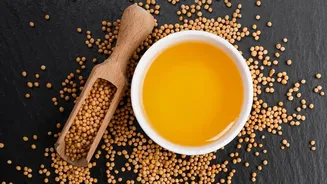
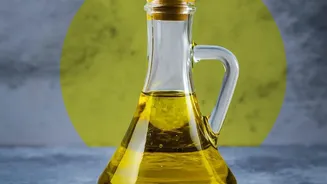
Cold-pressed oils, extracted without heat or chemicals, are celebrated for their rich nutrient profiles, antioxidants, and pure flavours. They are fantastic for drizzling over salads, making dressings, or for very low-heat cooking where their delicate structures remain intact. However, their main advantage is also their biggest weakness in a hot pan. Most cold-pressed oils have a low smoke point. For instance, extra virgin olive oil smokes at around 160–190°C, while cold-pressed groundnut oil starts to break down between 160-180°C. When you use these for searing, the high temperatures required quickly exceed their smoke points, degrading the very nutrients you paid a premium for and potentially creating harmful compounds.
Enter Ghee: The Traditional Powerhouse
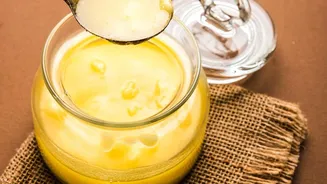
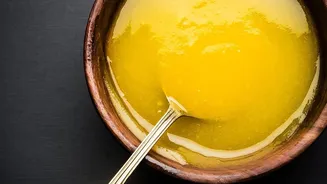
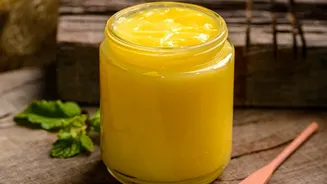
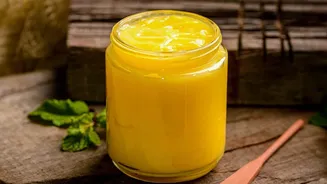
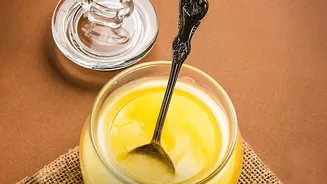
This is where ghee, a staple of Indian kitchens for millennia, makes its triumphant return. Ghee is a form of clarified butter, created by simmering butter until the water evaporates and the milk solids are removed. This process gives ghee two significant advantages for high-heat cooking. First, it has a very high smoke point, typically around 250°C (485°F), which is well above what is needed for searing. This means it remains stable under heat, preventing the formation of bitter flavours or unhealthy byproducts. Second, because the lactose and casein are removed, it’s a great option for those with dairy sensitivities.
The Modern Twist: Infused Ghee
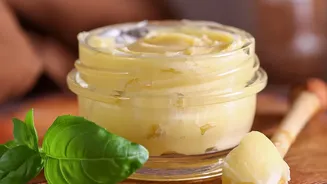
Today’s urban home chefs aren't just turning back to traditional ghee; they are elevating it. Infused ghee is the new star of the modern Indian kitchen. The process is simple yet transformative: aromatics like crushed garlic, whole spices such as cinnamon and star anise, or herbs like rosemary and thyme are gently simmered in the ghee. This allows their fat-soluble flavour compounds to be extracted into the ghee, creating a cooking fat that is both functional and flavourful. Ghee acts as an excellent carrier for these flavours, delivering a more profound and integrated taste to the final dish than simply adding the spices separately.
Why Urban Chefs Are Making the Switch
The move toward infused ghee is about more than just a high smoke point. It represents a sophisticated approach to cooking that marries tradition with modern culinary curiosity. For the urban home chef who values both health and gourmet flavours, infused ghee is the perfect tool. A garlic-and-chilli infused ghee can add a perfect kick to seared prawns, while a rosemary-infused version can elevate a simple chicken breast or roasted vegetables. It streamlines the cooking process, packing flavour directly into the cooking medium. This trend reflects a desire for high-quality, versatile ingredients that deliver maximum impact with minimal fuss—a philosophy at the heart of modern urban cooking.