




Invest in an Anti-Theft Bag
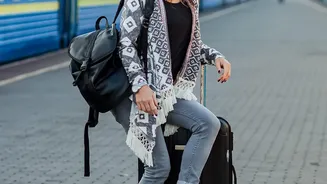
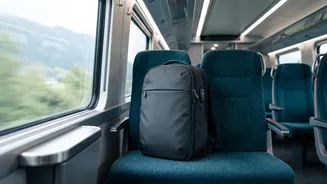
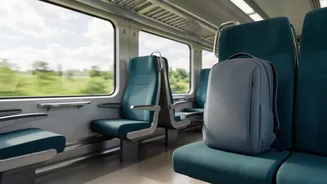
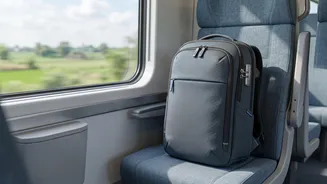
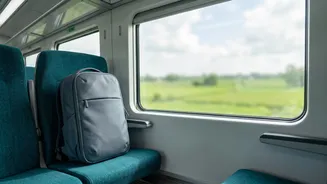
Your first line of defence is the bag you carry. Modern anti-theft backpacks are a worthy investment for any frequent traveller. These are designed with clever security features like hidden zippers that rest against your back, making it difficult for pickpockets
to access. Many are made from slash-resistant fabric, preventing thieves from cutting them open. Some even include RFID-blocking pockets, which protect your credit cards and passports from digital skimming. While no bag is completely theft-proof, these features act as a strong deterrent against opportunistic snatch-and-grab attempts in crowded stations or coaches.
Embrace the Classic Chain and Lock
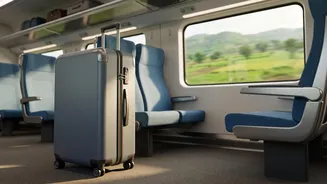
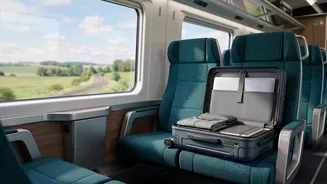
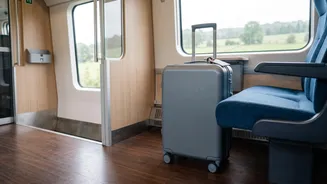
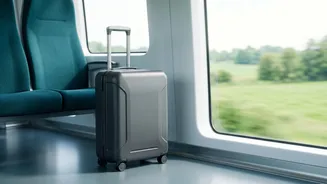
It’s a low-tech solution that remains one of the most effective methods for securing luggage on Indian trains. Most sleeper and AC coaches have steel loops or rings welded under the lower berths specifically for this purpose. Before your journey, purchase a sturdy metal chain and a reliable padlock. Simply thread the chain through your luggage handles and secure it to the hook under your seat. This makes it nearly impossible for someone to walk away with your entire bag while you are asleep or visiting the washroom. It’s a simple, visible deterrent that signals your bag is not an easy target.
Master Your Digital Defences
Physical security is only half the battle. Public Wi-Fi at railway stations and on some trains can be a major security risk. Hackers can create fake networks or use 'Man-in-the-Middle' techniques to intercept your data, potentially stealing passwords and financial information. To stay safe, always verify the official name of the Wi-Fi network with staff and avoid networks that seem suspicious. For a much safer connection, use a Virtual Private Network (VPN), which encrypts your internet traffic, making it unreadable to eavesdroppers. Even better, rely on your own mobile data or a personal hotspot whenever possible.
Choose Your Berth Wisely
Where you sit (and sleep) can make a difference. Many seasoned travellers recommend booking an upper berth for overnight journeys. Being on the top bunk puts you and your smaller, more valuable bags—like a daypack with your laptop and phone—out of the easy reach of someone walking down the aisle. You can keep your electronics bag beside you or even use it as a pillow. Lower berths are more accessible, but also more exposed. If you are on a lower berth, be extra diligent about chaining your main luggage underneath. Also, seats near the coach doors see more foot traffic, making them slightly riskier spots.
Be Smart About Charging
A dead phone is useless, but charging it carelessly can be risky. While many trains offer power outlets, it’s far safer to carry a fully charged power bank. This prevents you from having to leave your device unattended near a public plug point. Furthermore, it protects you from the threat of “juice jacking,” where criminals modify public USB ports to install malware on your device or steal data. A high-capacity power bank ensures your devices stay charged throughout a long journey without ever having to plug into an unknown socket.
Practice Situational Awareness
Technology and locks are helpful, but they are no substitute for vigilance. Avoid openly displaying expensive gadgets like laptops, cameras, and the latest smartphones, especially in crowded areas or general compartments. Be most alert when the train is stopping at or leaving a station, as this is a common time for thieves to quickly grab an item and disappear into the crowd. Never leave your valuables unattended, even for a moment. If you're travelling with others, take turns watching the luggage when one of you needs to move around. If travelling alone, avoid leaving your seat when the train is halted at a station.