




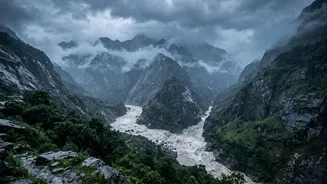
The Anatomy of a Himalayan Flood
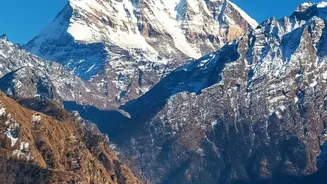
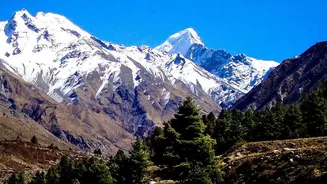
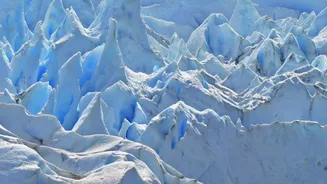
The story of many recent floods in Nepal doesn’t begin with rain, but with ice. The Himalayas, often called the 'Third Pole', contain the largest concentration of glaciers outside the polar regions. For centuries, these rivers of ice have been a vital
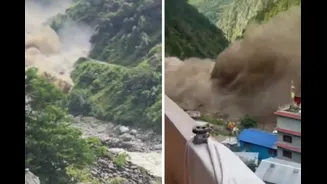
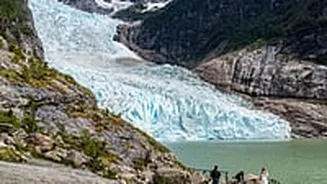
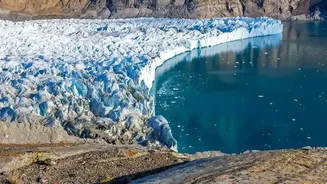
source of water for nearly two billion people. But now, they are also becoming a source of unprecedented danger. The primary threat is a phenomenon known as a Glacial Lake Outburst Flood, or GLOF. As glaciers melt at an accelerated rate, vast lakes form, often held back only by unstable natural dams of rock and ice, called moraines. When these fragile dams collapse—triggered by an avalanche, an earthquake, or simply the pressure of the growing lake—they release an immense volume of water, mud, and debris downstream. Described as 'inland tsunamis', these events can destroy villages, roads, and critical infrastructure with little to no warning.
The Clear Climate Connection
Scientists are clear that the Himalayan region is warming at a rate faster than the global average—by some estimates, nearly twice as fast. This accelerated warming is the engine driving the increased risk. A study spanning 40 years of satellite data showed that the rate of glacial melting in the Himalayas has doubled since the year 2000. As temperatures rise, glaciers retreat, creating more and larger glacial lakes. According to the International Centre for Integrated Mountain Development (ICIMOD), this has made GLOFs a more frequent and intense threat across the region. Nepal alone has recorded over two dozen GLOF events since the 1970s and has identified at least 21 glacial lakes as potentially dangerous. While not every single flood can be instantly attributed to climate change, the overall trend is undeniable: a warmer world is making the mountains more unstable.
More Than Just Melting Ice
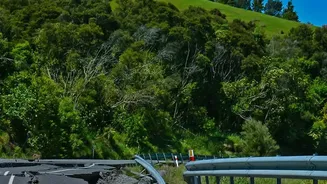
GLOFs are not the only hazard being amplified by climate change. The warming atmosphere is destabilizing entire mountain slopes. Permafrost, the frozen soil that acts as a cement for mountain terrain, is thawing, increasing the likelihood of rockfalls and landslides. In some cases, a massive landslide or ice avalanche can block a river, creating a temporary dam. When this dam inevitably breaks, it releases a catastrophic flood downstream—a sequence of events suspected in several recent disasters, including the devastating flood on the Bhote Koshi river. Furthermore, a warmer atmosphere holds more moisture, leading to more erratic and intense monsoon rainfall. This extreme precipitation can saturate already fragile slopes, triggering landslides and compounding the flood risk for communities far below.
A Race Against Time
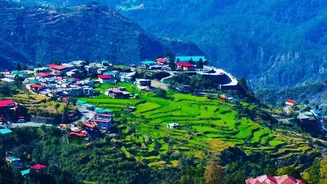
The recurring disasters have made it clear that Nepal is on the front line of the climate crisis. The consequences are immense, repeatedly destroying homes, farms, and critical infrastructure like hydropower plants, which are vital to the nation's economy. In response, Nepal and international partners are working to shift from a reactive to a proactive stance. Efforts are underway to install early warning systems for some high-risk lakes and to engineer solutions, such as carefully lowering the water levels of the most dangerous ones. However, the scale of the challenge is enormous. It requires significant funding, technical expertise, and cross-border cooperation, particularly as many of the hazards originate near or across the border with China. Without these measures, communities remain exposed to a threat that is silently building high in the mountains.