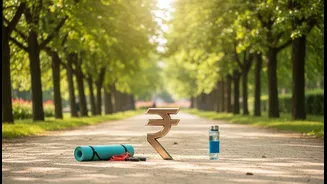









The High Cost of Staying Active
For many Indians, the desire to embrace a fitter lifestyle collides with a harsh economic reality. A membership at a decent gym in a metropolitan city can cost ₹20,000 or more annually. Add to that the expense of workout gear, nutritional supplements,
and healthier food choices, and the monthly cost can easily run into several thousand rupees. This financial strain places consistent, structured physical activity out of reach for a large segment of the population, turning a health necessity into a luxury. While free activities like walking or running in parks are available, they often lack the structure, equipment, and expert guidance that can help people achieve their fitness goals safely and effectively. This affordability gap is a significant public health challenge.
What is Preventive Fitness Policy?
Preventive fitness policy refers to government actions designed to make it easier and cheaper for citizens to stay physically active, with the goal of preventing illness before it starts. Instead of only treating diseases, this approach focuses on creating a culture of wellness. These policies can take many forms, such as offering tax deductions for gym memberships, subsidising fitness services, or promoting corporate wellness programs. Initiatives like the Fit India Movement, launched in 2019, are a step in this direction, encouraging activities like running and cycling through national campaigns. The core idea is to shift public spending and incentives towards keeping people healthy, which is ultimately more effective and less costly than treating chronic conditions.
Bridging the Affordability Gap
So, how can policy make a real difference to your wallet? Imagine if your annual gym fees were tax-deductible, similar to other health-related expenses. The government is reportedly considering measures like subsidised gym memberships to combat the rise of lifestyle diseases. A significant policy shift was the reduction of GST on fitness services, which helps make memberships more affordable. Some tax rules already allow employers to provide certain tax-free fitness benefits to their employees, and expanding these could be a powerful incentive. Furthermore, public-private partnerships can lead to the development of better and more accessible fitness infrastructure, like well-maintained parks, walking trails, and community sports centres, lowering the barrier to entry for everyone.
A Healthier Nation, A Stronger Economy
The benefits of making fitness more affordable extend far beyond individual health. India faces a growing burden of non-communicable diseases (NCDs) like diabetes and heart disease, which are often linked to physical inactivity. The economic cost is staggering. One study estimated that if every adult in India became physically active, it could boost the country's annual GDP by $50 billion through reduced healthcare spending and increased workforce productivity. Physical inactivity costs the global economy billions each year, with a significant portion of that burden falling on healthcare systems. By investing in preventive fitness, the government can reduce future healthcare expenditures, foster a more productive workforce, and improve the overall well-being of its citizens. Initiatives like Khelo India and the Fit India Movement are foundational, but they must be supported by financial policies that make long-term commitment to fitness a viable choice for the average person.