





Understanding the Enemy: What is Root Rot?
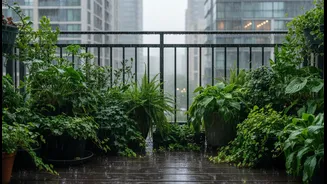
Root rot is a disease that attacks the roots of plants, primarily caused by waterlogged soil. While plants need water, their roots also need oxygen to function. During the monsoon, heavy rains and high humidity mean that pots can stay saturated for days,
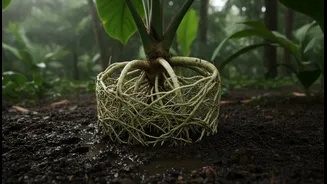
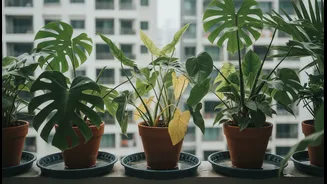
and the soil becomes dense and compacted. This oxygen-deprived environment is a breeding ground for fungi and bacteria that cause roots to decay. Instead of being firm and white, healthy roots turn brown or black, feel mushy, and can give off a foul, swampy smell. Above ground, the signs can be confusingly similar to underwatering: leaves turn yellow, wilt, and droop, even when the soil is wet. This is because the rotting roots can no longer absorb water and nutrients to feed the plant.
The Pre-Monsoon Checklist: Your First Line of Defence
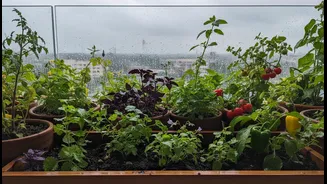
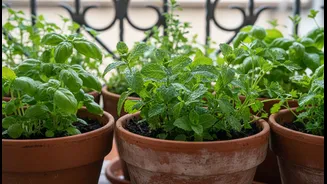
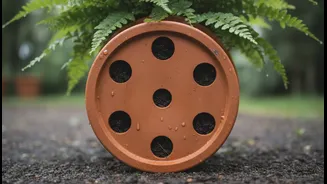
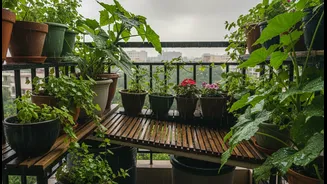
Preparation is everything. Before the first showers arrive, a thorough check of your garden setup can prevent most monsoon-related tragedies. Start with your pots. Ensure every container has clear drainage holes at the bottom. Clogged holes are a primary cause of waterlogging. Consider elevating your pots on bricks or stands to allow excess water to drain away freely and prevent them from sitting in puddles. Next, assess your soil. Heavy, dense soil retains too much water. The ideal monsoon potting mix is light and well-draining. You can create your own by mixing garden soil with materials like coarse sand, cocopeat, or perlite. This creates air pockets, which are essential for root health. It’s also a good time to prune your plants, removing any dead or overgrown branches to improve air circulation.
During the Rains: Active Management
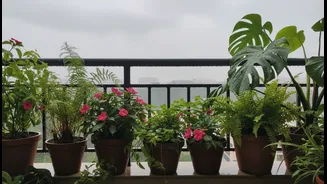
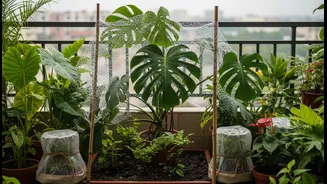
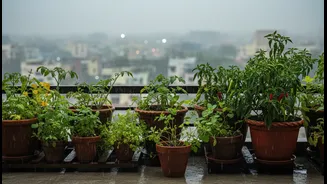
Once the monsoon sets in, your checklist shifts to active management. The most crucial change is your watering schedule. With high humidity and frequent rain, you must stop watering on a fixed routine. Before you water, check the top inch or two of soil with your finger; if it’s still damp, leave it alone. Overwatering is the single biggest mistake gardeners make this season. If possible, move sensitive plants to a covered balcony or area where they are protected from constant, heavy downpours. For those that remain outside, regularly check the saucers and trays under your pots and empty any collected water. Stagnant water is a direct invitation to root rot and a breeding ground for mosquitoes. Also, be vigilant for pests like slugs and fungal infections like powdery mildew, which thrive in damp conditions.
Emergency Response: Spotting and Treating Rot
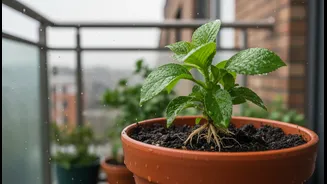
Even with the best preparation, root rot can sometimes strike. Early detection is key to saving your plant. If you see yellowing leaves, wilting, or stunted growth despite moist soil, it's time to investigate. Gently remove the plant from its pot and examine the roots. Healthy roots are firm and whitish, while rotten ones will be brown, black, and mushy. If you confirm rot, you must act fast. Using clean scissors, carefully trim away all the affected, mushy roots until only healthy tissue remains. Discard the old, contaminated soil. You can rinse the remaining healthy roots gently under lukewarm water. Before repotting, it is a good idea to disinfect the pot. Repot the plant in fresh, well-draining potting mix. Choose a pot that is appropriate for the new, smaller root ball; a pot that is too large will hold excess soil and moisture, risking a repeat of the problem. After repotting, water sparingly and give the plant time to recover.