
Embrace the Green Season
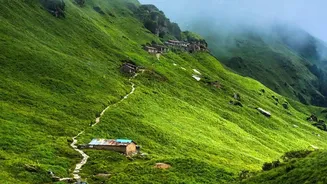
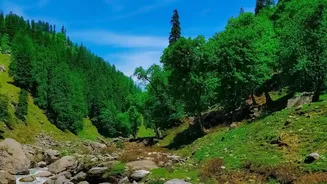
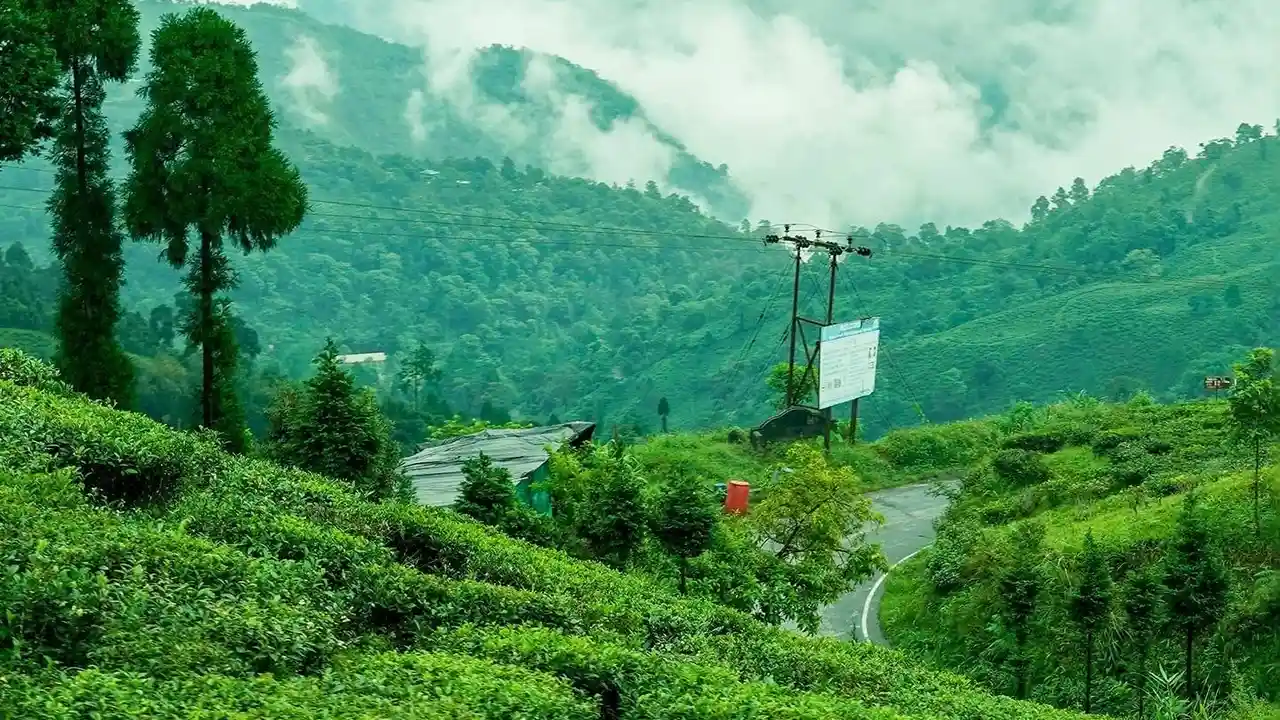
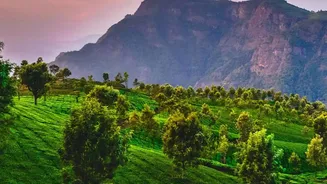
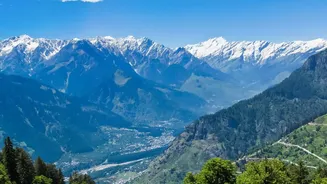
The monsoon months, from July to September, transform Himachal’s landscape into a vibrant spectacle of green. This is the off-season, meaning the usual crowds of popular hill stations are replaced by a profound sense of tranquility. The air is crisp,
the forests are washed clean, and waterfalls, otherwise trickles, roar back to life. It’s a season for those who enjoy a slower pace, cozying up with a book as mist rolls past the window, and venturing out for walks when the rain subsides. Shoja and Tirthan Valley, nestled in the Kullu district, are particularly enchanting during this time, offering an experience that feels both intimate and grand.
Shoja: A Quiet Hamlet in the Clouds
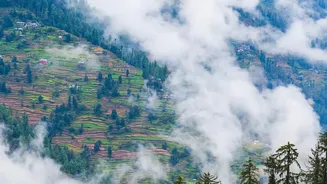
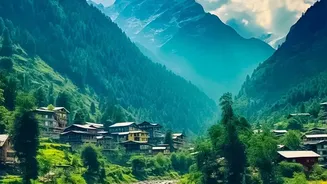
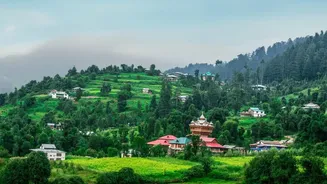
Shoja is a tiny, serene village that feels a world away from commercial tourism. Its charm lies not in a long list of attractions, but in its atmosphere. During the monsoon, the village is often enveloped in low-hanging clouds, with the scent of wet pine and earth in the air. The experience here is about slowing down, enjoying the view from a traditional wooden homestay, and listening to the sounds of nature. Stays are often run by local families who provide warm hospitality and delicious, home-cooked Himachali meals like Siddu. These hosts are also your best source for real-time updates on weather and road conditions.
Monsoon Activities in Shoja
The main activity in Shoja during the monsoon is simply being there. However, when the skies clear, there are beautiful explorations to be had. A drive to the nearby Jalori Pass, situated at over 10,000 feet, offers breathtaking views of the surrounding valleys, though it’s crucial to check road conditions before you go. From the pass, a popular and relatively easy trek of about five kilometres through a dense oak forest leads to the tranquil Serolsar Lake. Another short trek takes you to Raghupur Fort for panoramic Himalayan vistas. But even a simple walk along the village paths, with waterfalls cascading down the hillsides, is an adventure in itself.
Tirthan Valley: By the River's Edge
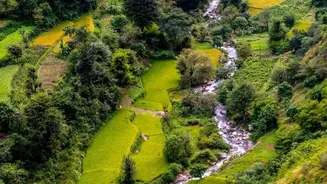
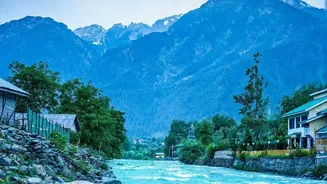
Just a short drive from Shoja lies Tirthan Valley, a designated UNESCO World Heritage site known for the pristine Tirthan River and its proximity to the Great Himalayan National Park. In the monsoon, the river, usually calm and clear, becomes a powerful, swirling force of nature, and the entire valley hums with its energy. The forests are thick with mist, lending a mystical quality to the landscape. This area is a paradise for nature lovers, offering a more immersive wilderness experience compared to Shoja’s quiet village feel. Choosing the right stay is critical here; opt for homestays and cottages set on higher ground, safely away from the swelling river.
What to Do in a Water-Rich Valley
While heavy treks into the national park are not advisable during peak monsoon, the valley still offers plenty to do. You can explore charming villages like Gushaini and Nagini, and witness the local way of life. The monsoon revitalises numerous streams and waterfalls, and a short hike to the Chhoie Waterfall is a must-do activity. The valley is famous for its trout, and while the river is powerful, you might still find opportunities for angling in calmer tributaries. Many visitors find the greatest joy in simply finding a safe spot by the river, watching the water rush by, and soaking in the lush, green surroundings.
Essential Tips for a Safe Monsoon Trip
Travelling to the hills in the monsoon requires preparation and a flexible mindset. Road conditions can be unpredictable, with risks of landslides and blockages. Always check with your host or local sources before starting your journey and avoid driving at night during heavy rain. Pack waterproof jackets, sturdy non-slip shoes, and an extra set of warm clothes. Power cuts can be common, so a power bank is essential. Above all, embrace the slow pace. A monsoon trip is not about ticking off sights; it's about surrendering to the weather, enjoying the comfort of your stay, and experiencing the mountains in their most raw and beautiful state.