



The Age of Aspirational Wellness
Remember the peak wellness era? It was a world curated for Instagram, defined by celebrity-endorsed brands like Goop and hyper-exclusive resorts where enlightenment came with a four-figure bill. The goal often seemed less about feeling good and more about looking
good while doing it. Wellness was a product to be consumed, a status to be achieved. It involved flying to a remote location to be ‘fixed’ — to detox, de-bloat, and disconnect, only to return to the same stressful life a week later. This model was built on a foundation of privilege and presented a version of well-being that was inaccessible and, for many, deeply unrelatable. It whispered that if you weren't sipping a spirulina smoothie in a designer yoga set, you were doing it wrong.
A Global Reality Check
Then, the world changed. The COVID-19 pandemic acted as a global reset button, forcing a collective confrontation with anxiety, grief, and isolation. Burnout went from being an office buzzword to a lived reality for millions. Suddenly, the idea of a punishing, restrictive retreat felt profoundly out of touch. Why spend a fortune to be miserable when life was already serving up enough challenges? This societal shift was compounded by economic uncertainty, making extravagant trips feel tone-deaf. People started craving something more fundamental: genuine rest, authentic human connection, and practical tools to manage their mental health. The demand wasn't for a temporary escape anymore; it was for sustainable healing.
From Pampering to Purpose
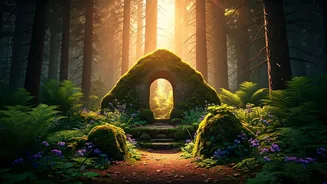
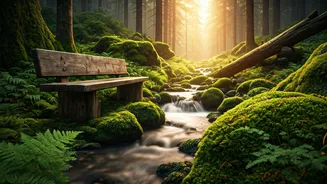
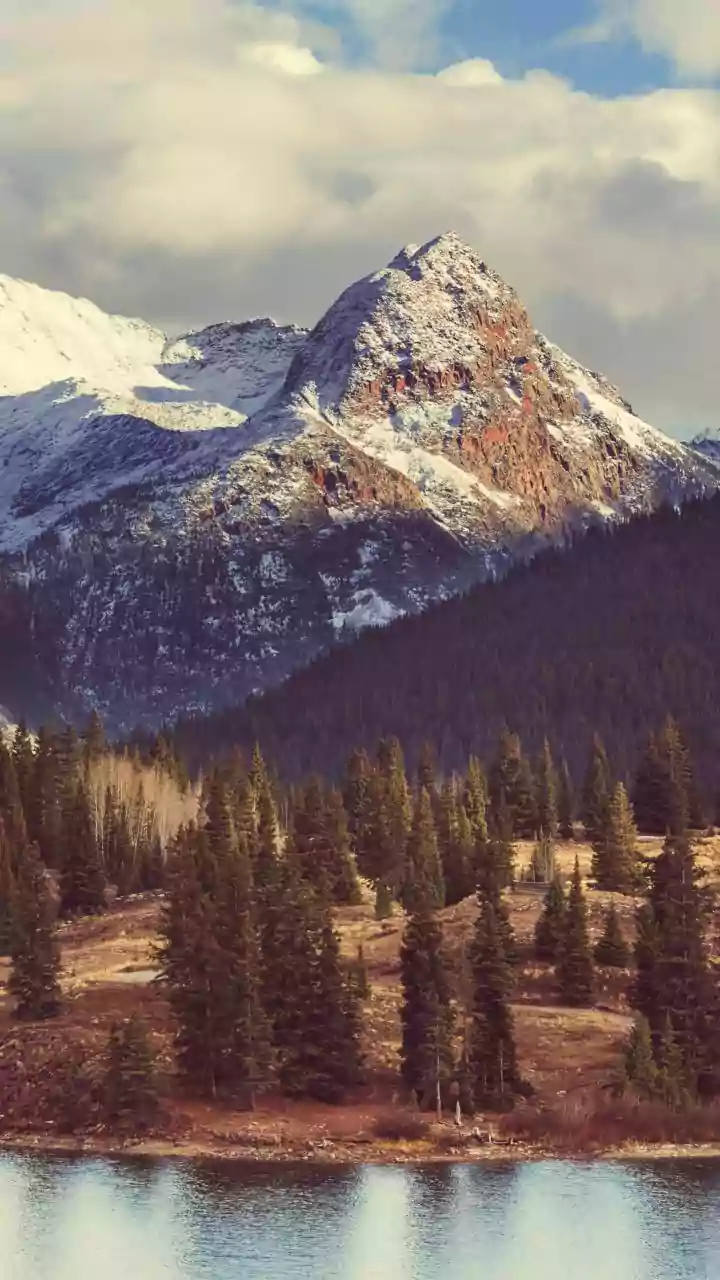
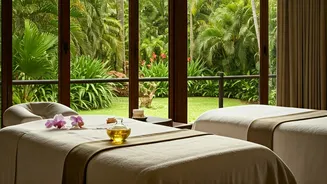
In response, the wellness travel industry is finally ‘reading the room’. The focus has pivoted from superficial pampering to profound purpose. We're now seeing the rise of specialised retreats that address real-life challenges. ‘Sleep tourism’ is booming, with hotels and resorts offering programmes designed by scientists to genuinely improve rest. There are guided retreats for processing grief, navigating menopause, or managing digital addiction. The new wellness isn’t about deprivation but about addition—adding skills, perspective, and community. Nature has also taken centre stage. Simple, restorative experiences like forest bathing (shinrin-yoku), hiking in serene landscapes, and wild swimming are replacing complicated spa menus. The luxury is no longer in the thread count of the sheets, but in the quality of the silence and the depth of the connection to the natural world.
Wellness for the Rest of Us
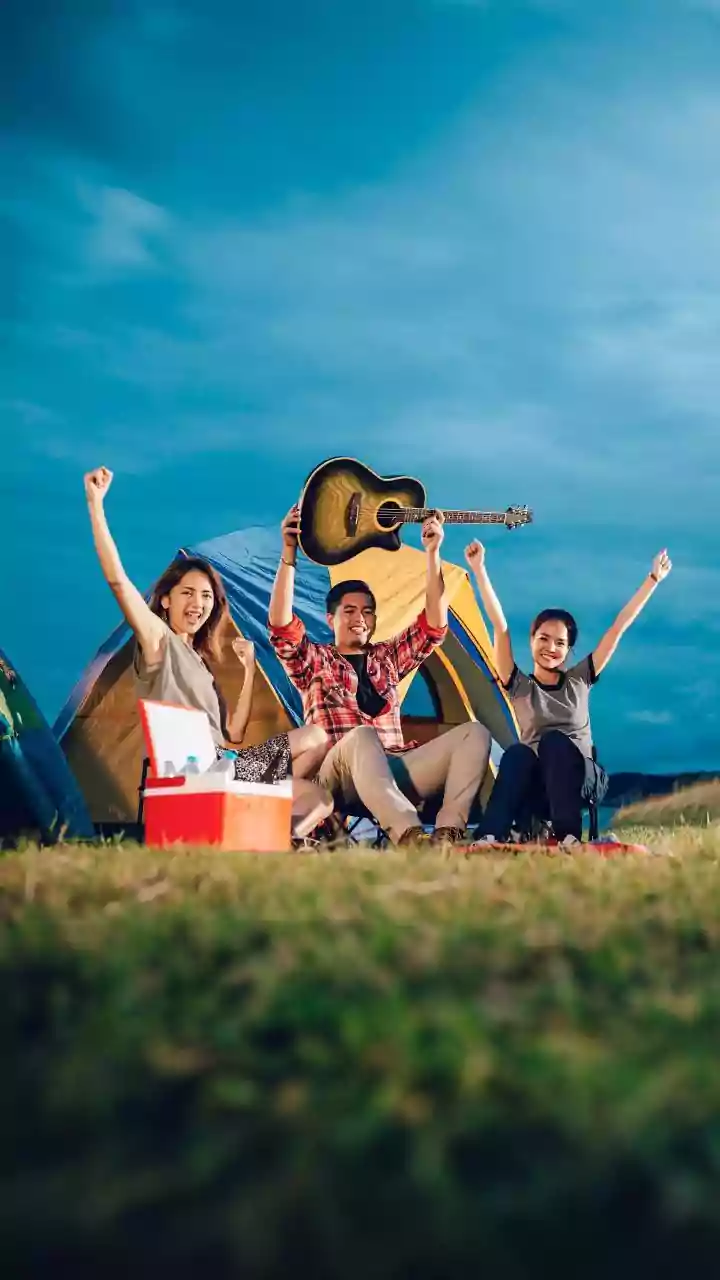
Perhaps the most significant change is the move toward accessibility. The new wellness ethos acknowledges that you don't need a passport or a trust fund to find restoration. This has led to a boom in local and regional wellness experiences. A weekend at a quiet homestay with no Wi-Fi, a day-long hiking trip with a local guide, or joining a community yoga class in a new city are all part of this redefined landscape. The focus is on the intention, not the price tag. This democratisation means wellness is shedding its exclusive skin. It’s becoming a more inclusive concept, where a solo trip to a national park can be just as valid and restorative as a week-long stay at a famous ashram. It’s about finding what replenishes you, wherever you are and whatever your budget.
The End of the ‘Fix Me’ Holiday
Ultimately, this evolution signals the end of the ‘fix me’ holiday. The old model was predicated on the idea that you were broken and needed an expert in a beautiful location to put you back together. The new approach is more compassionate and realistic. It’s about support, not salvation. It’s about integration, not isolation. These trips aim to equip you with coping mechanisms and perspectives that you can take back into your daily life. The goal is no longer to return as a new, ‘perfected’ person, but as a more resilient and self-aware version of the person you already are. It’s less about a dramatic transformation and more about a gentle, sustainable recalibration.