




Monitor Official Forecasts, Not Rumours
Before you even pack, get the most accurate information. The India Meteorological Department (IMD) has issued alerts for various regions, including heavy to very heavy rainfall in Northeast India, Kerala, and Karnataka. States like Uttarakhand, Himachal
Pradesh, and parts of Uttar Pradesh are also on alert. Check the official IMD website for district-specific warnings. This helps you distinguish between a general 'yellow alert' for moderate rain and a 'red alert' that advises against travel. Knowing the precise forecast for your destination allows you to make an informed decision rather than reacting to panic.
Choose Your Destination and Route Wisely
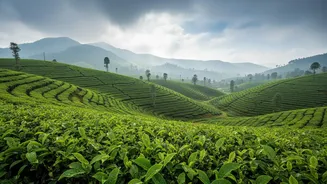
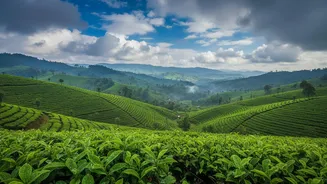
Not all destinations are equal during a downpour. Regions prone to landslides and flash floods, particularly in hilly areas of the Himalayas, can become hazardous. Consider swapping a high-altitude trek for destinations in the Western Ghats like Lonavala or Mahabaleshwar, which are beautiful in the rain but have more accessible roads from Mumbai and Pune. Always check the status of highways and local roads before you leave. Heavy rains can cause closures and significant delays. Planning a route with buffer time is crucial; a journey that usually takes a few hours might take much longer.
Pack Smart with Quick-Dry Gear
Your packing strategy is your first line of defence. Leave heavy cotton and denim jeans at home; they absorb water and can take days to dry in high humidity. Instead, opt for lightweight, synthetic fabrics like polyester and nylon that dry quickly. A reliable, waterproof rain jacket is a non-negotiable item, far more effective than an umbrella in windy conditions. Also essential are waterproof shoes or sandals with a strong grip to navigate slippery surfaces and waterlogged streets safely.
Create a Fortress for Your Electronics
Water and gadgets do not mix. Protecting your phone, power bank, and camera is paramount. Invest in a quality waterproof dry bag or, at the very least, use multiple layers of protection like resealable plastic bags for your devices and important documents like your passport and ID. It’s also wise to pack silica gel packets in your electronics bag to absorb any sneaky moisture. A fully charged power bank is another must-have, especially since weather-related power cuts or travel delays can leave you stranded without a way to communicate.
Embrace Flexible Bookings
The monsoon is unpredictable. A sudden, intense downpour can shut down roads or flood areas with little warning. To avoid losing money or being stuck, opt for refundable bookings for hotels and transportation wherever possible. Having the flexibility to change your plans last-minute without a financial penalty provides peace of mind. Building an extra buffer day into your itinerary can also be a lifesaver, ensuring that unexpected delays don't cause you to miss a flight or an important connection.
Prepare a Monsoon-Specific First-Aid Kit
Your standard first-aid kit needs a few monsoon-specific upgrades. The increase in stagnant water leads to a higher population of mosquitoes, so a strong insect repellent is essential to protect against illnesses like dengue and malaria. Add antiseptic wipes, waterproof bandages, and medication for common ailments like stomach upsets or fever. Since you might be walking on wet and muddy paths, having items to clean and treat minor cuts or scrapes promptly is a smart move.
Prioritise Safe Driving and Local Knowledge
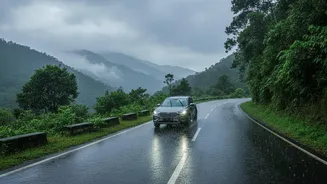
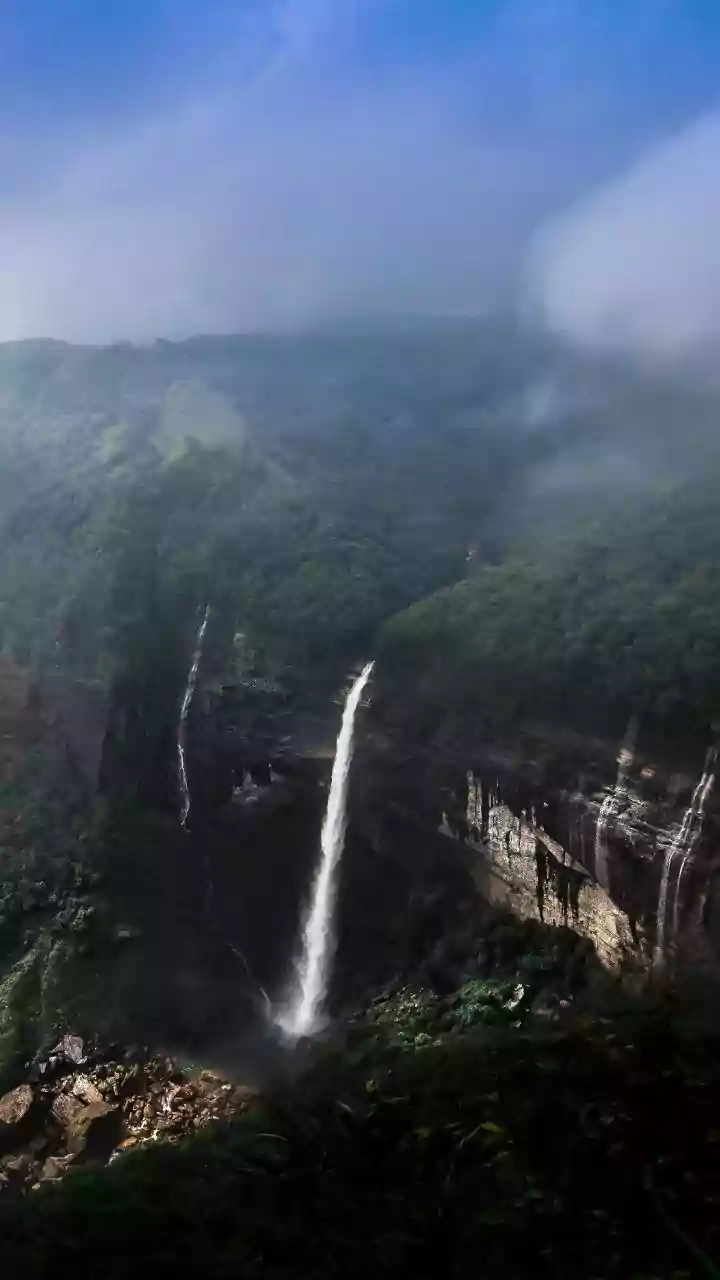
If you're embarking on a road trip, vehicle maintenance is key. Ensure your tyres, wipers, and headlights are in perfect condition. Drive slowly, maintain a safe distance from other vehicles, and never attempt to drive through heavily waterlogged roads. Upon arrival at your hotel, ask the staff about local conditions, risky areas to avoid, and safe travel routes for sightseeing. Local knowledge is invaluable for avoiding selfie points near overflowing waterfalls or trekking paths that have become unstable due to rain.